A coarse surface is not a complete slip-risk assessment. Water, oil, biological growth, footwear, drainage and wear can change how a grating performs in service. Project teams researching FRP grating slip resistance usually need a selection or execution method, not another list of generic FRP benefits. The guide therefore aims to help safety teams evaluate grating traction in the contaminants and cleaning conditions that actually occur.
Each section answers a decision created by the H1, beginning with “Define the Wet and Contaminated Scenarios.” Project calculations, local rules and the responsible professional’s review still govern the final solution.
Define the Wet and Contaminated Scenarios
Observe where water, oil, grease, algae, solids or chemicals reach the walking surface. Include startup, cleaning and upset conditions rather than assessing a dry sample only. Assign responsibility for “Define the Wet and Contaminated Scenarios” in the FRP grating slip resistance scope instead of leaving the interface between trades undefined.
Compare Surface Options for the Dominant Hazard
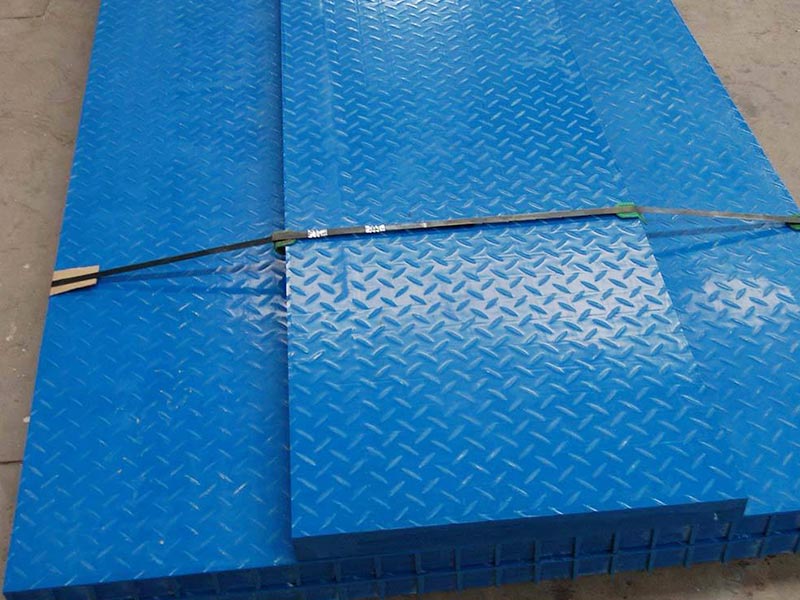
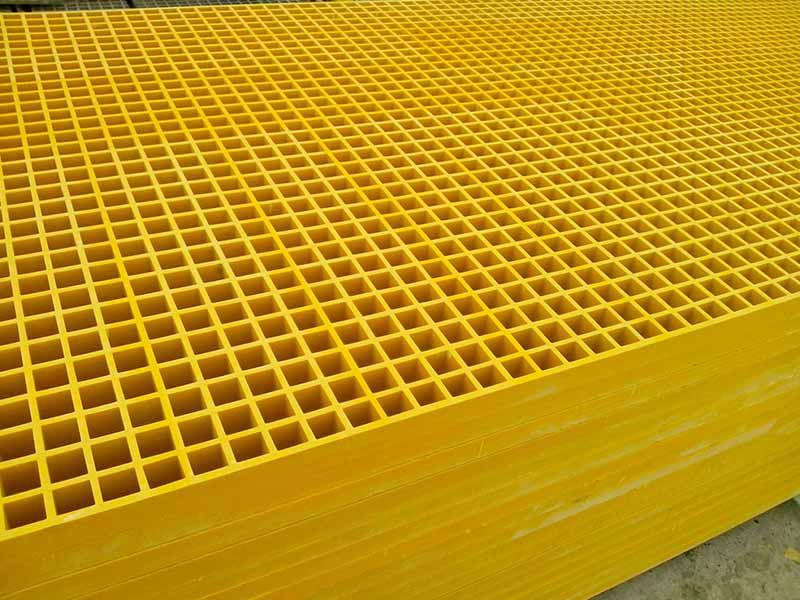
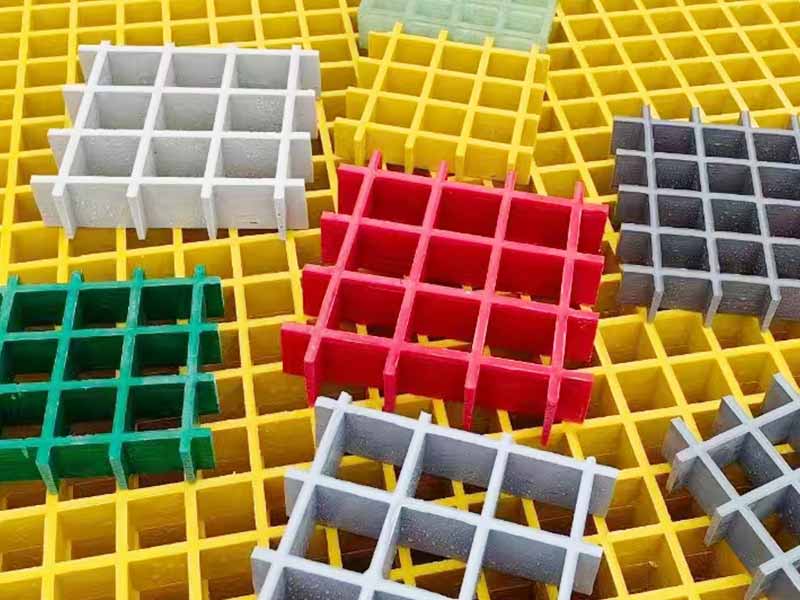
Gritted, concave and other surfaces behave differently under contamination and traffic. Select a surface from the expected footwear and cleaning method, not roughness by appearance. Use “Compare Surface Options for the Dominant Hazard” as a FRP grating slip resistance hold point when later work would conceal the condition or make correction difficult.
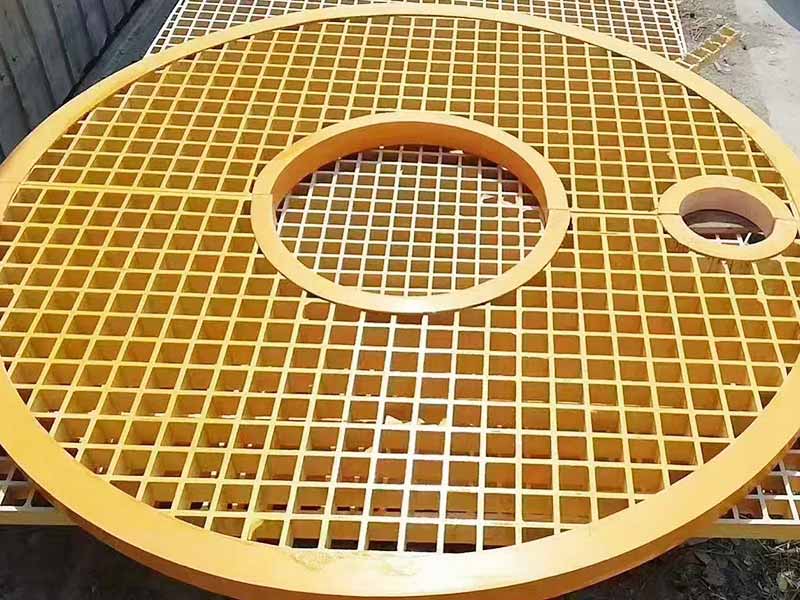
Review Drainage and Open Area
Standing liquid can overwhelm a nominally slip-resistant surface. Check mesh, slope, nearby curbs and discharge paths so contaminants leave the walking route. Link the FRP grating slip resistance decision on “Review Drainage and Open Area” to the relevant dimension, calculation assumption or inspection record.
Examine Transitions, Edges and Cut Panels
Changes from concrete or plate to grating can create trips and localized wet spots. Detail level differences, nosings, panel edges and penetrations. For FRP grating slip resistance, make “Examine Transitions, Edges and Cut Panels” a checked item on the drawing or schedule before fabrication.
Fiberglass Grating decision table
| Project decision | Evidence to request | Risk if unresolved |
|---|---|---|
| Define the Wet and Contaminated Scenarios | Observe where water, oil, grease, algae, solids or chemicals reach the walking surface | attention being diverted from the variables that control performance |
| Compare Surface Options for the Dominant Hazard | Gritted, concave and other surfaces behave differently under contamination and traffic | a material preference without a buildable detail |
| Review Drainage and Open Area | Standing liquid can overwhelm a nominally slip-resistant surface | an unreviewed change when service conditions are revised |
| Examine Transitions, Edges and Cut Panels | Changes from concrete or plate to grating can create trips and localized wet spots | wrong load transfer or restricted maintenance access |
Use Representative Evaluation Where Risk Warrants It
When testing is required, define the method, specimen condition and contaminant. Results from a different surface or test setup should not be treated as universal. The FRP grating slip resistance review should close “Use Representative Evaluation Where Risk Warrants It” with measurable acceptance information rather than a general supplier statement.
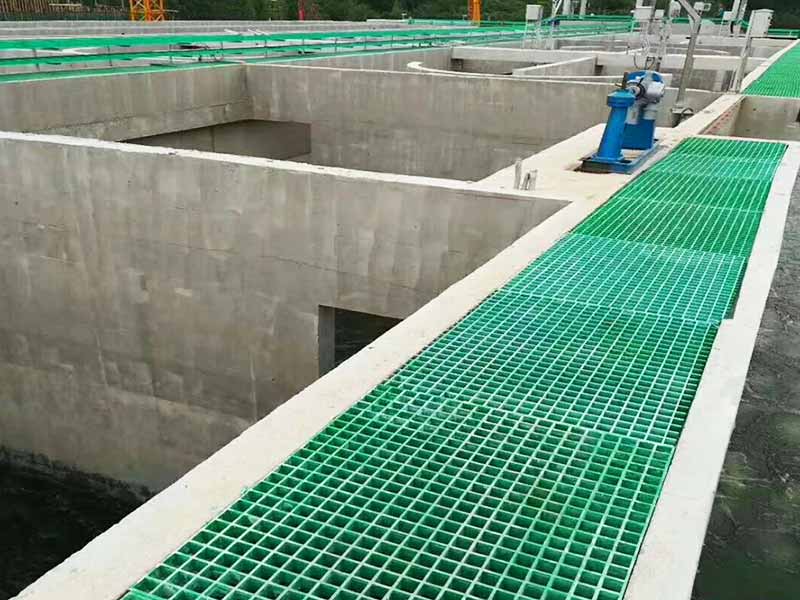
Match Cleaning to the Surface and Contaminant
A cleaning process must remove the hazard without polishing, clogging or damaging the surface. Set frequency from observed buildup, not a fixed calendar alone. Record how FRP grating slip resistance addresses “Match Cleaning to the Surface and Contaminant” so site changes can be compared with the approved basis.
Track Wear in High-Traffic Zones
Inspect landings, turns, access points and areas around valves more closely than lightly used panels. Compare photographs and note changes in texture or embedded debris. Assign responsibility for “Track Wear in High-Traffic Zones” in the FRP grating slip resistance scope instead of leaving the interface between trades undefined.
Combine Surface Selection With Work Controls
Lighting, housekeeping, drainage, footwear and restricted access may all be necessary. Grating selection is one layer in a broader slip-prevention program. Use “Combine Surface Selection With Work Controls” as a FRP grating slip resistance hold point when later work would conceal the condition or make correction difficult.
Documenting Fiberglass Grating decisions
A procurement package for FRP grating slip resistance should make the design basis behind “Combine Surface Selection With Work Controls” reviewable. The exact submittals depend on scope, but the owner should be able to identify what was selected, why it was selected and how the installed work was accepted. Avoid asking for unrelated certificates simply to make the package look complete.
- A dimensioned layout showing the orientation and interfaces of FRP grating slip resistance.
- The stated loads, exposure conditions and operating assumptions used for FRP grating slip resistance.
- Product data and material descriptions that correspond to the offered configuration.
- Connection, foundation, support or installation details within the supplier’s scope.
- Inspection, test, handling and maintenance information relevant to the finished work.
Fiberglass Grating: standards and design responsibility
Requirements for “Compare Surface Options for the Dominant Hazard” vary by location, facility and duty. A project review may draw on OSHA walking-working surfaces, OSHA fall protection, OSHA electrical safety and NIST engineering resources. These links provide authoritative starting points; the responsible professional must decide what applies to FRP grating slip resistance and use the current edition required by the project.
Five practical questions about FRP grating slip resistance
Why should a team address define the wet and contaminated scenarios for FRP grating slip resistance?
Observe where water, oil, grease, algae, solids or chemicals reach the walking surface. Include startup, cleaning and upset conditions rather than assessing a dry sample only. In a FRP grating slip resistance project, the answer should be recorded in a drawing, calculation, approved submittal or inspection note appropriate to the decision. If the necessary site information is unavailable, state the assumption and identify who must close it before work proceeds.
How should a designer address compare surface options for the dominant hazard for FRP grating slip resistance?
Gritted, concave and other surfaces behave differently under contamination and traffic. Select a surface from the expected footwear and cleaning method, not roughness by appearance. In a FRP grating slip resistance project, the answer should be recorded in a drawing, calculation, approved submittal or inspection note appropriate to the decision. If the necessary site information is unavailable, state the assumption and identify who must close it before work proceeds.
When should a contractor address review drainage and open area for FRP grating slip resistance?
Standing liquid can overwhelm a nominally slip-resistant surface. Check mesh, slope, nearby curbs and discharge paths so contaminants leave the walking route. In a FRP grating slip resistance project, the answer should be recorded in a drawing, calculation, approved submittal or inspection note appropriate to the decision. If the necessary site information is unavailable, state the assumption and identify who must close it before work proceeds.
What evidence helps a buyer address examine transitions, edges and cut panels for FRP grating slip resistance?
Changes from concrete or plate to grating can create trips and localized wet spots. Detail level differences, nosings, panel edges and penetrations. In a FRP grating slip resistance project, the answer should be recorded in a drawing, calculation, approved submittal or inspection note appropriate to the decision. If the necessary site information is unavailable, state the assumption and identify who must close it before work proceeds.
How can an owner address use representative evaluation where risk warrants it for FRP grating slip resistance?
When testing is required, define the method, specimen condition and contaminant. Results from a different surface or test setup should not be treated as universal. In a FRP grating slip resistance project, the answer should be recorded in a drawing, calculation, approved submittal or inspection note appropriate to the decision. If the necessary site information is unavailable, state the assumption and identify who must close it before work proceeds.
Fiberglass Grating decision record and handover
A strong FRP grating slip resistance article should connect “Define the Wet and Contaminated Scenarios” to a better project brief, and a strong project brief should lead to evidence. Record the selected configuration, controlling loads or operating conditions, exposure, interfaces, installation limits and acceptance checks. That record is more valuable than a broad claim that one material or product is suitable for every site.
Review the Fiberglass Grating product information, browse the FRP product range, compare this topic with the related guide FRP Grating Types: Molded or Pultruded for Your Project, and read why FRP is used in demanding environments. To discuss drawings or service conditions for FRP grating slip resistance, contact the XPFRP project team.