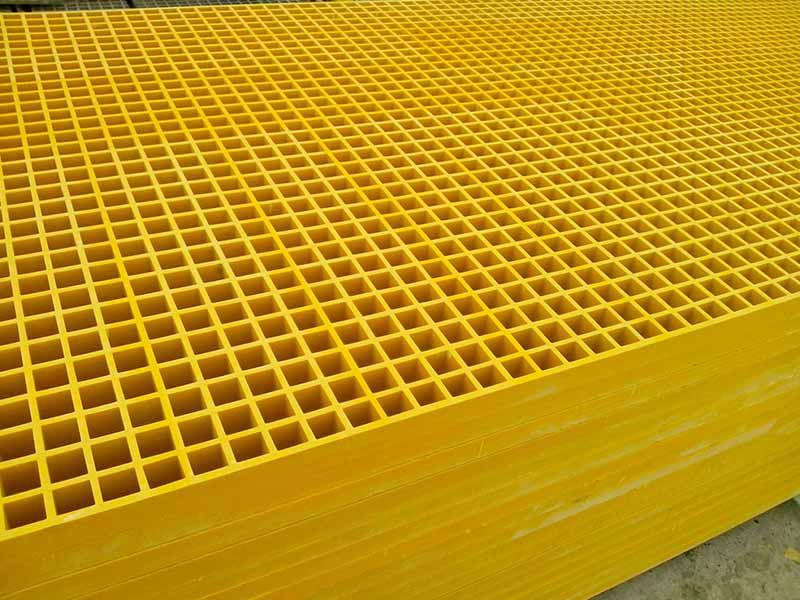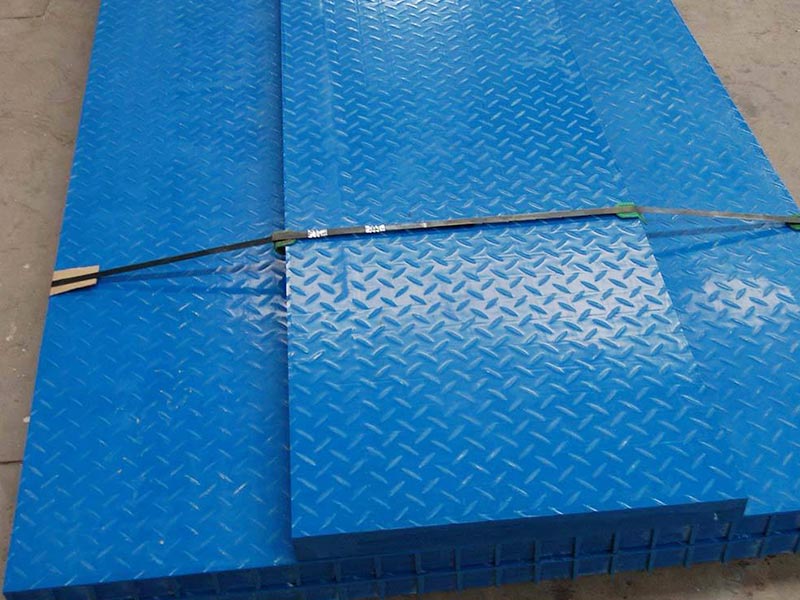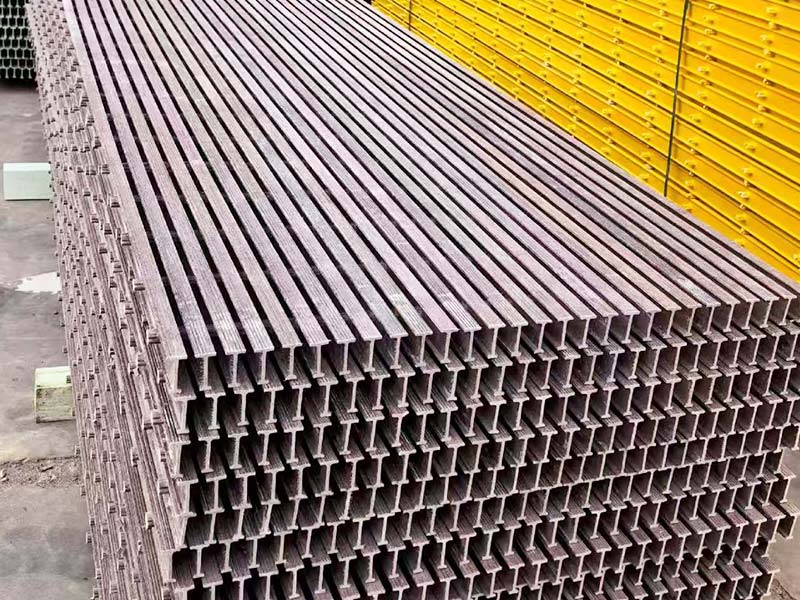
Molded and pultruded grating can serve similar walkways, but their load paths, panel formats and behavior after cutouts are not interchangeable. The value of a FRP grating types guide lies in resolving the details that a catalog cannot know about the site. Here, the focus is to help buyers compare molded and pultruded grating by load direction, span, openings and fabrication needs using information a buyer or engineer can verify.
The intended outcome is a clearer scope for FRP grating types: defined inputs, coordinated details and evidence for acceptance. The first decision is “Start With Load Direction and Support Layout,” not a generic comparison of materials.

Start With Load Direction and Support Layout
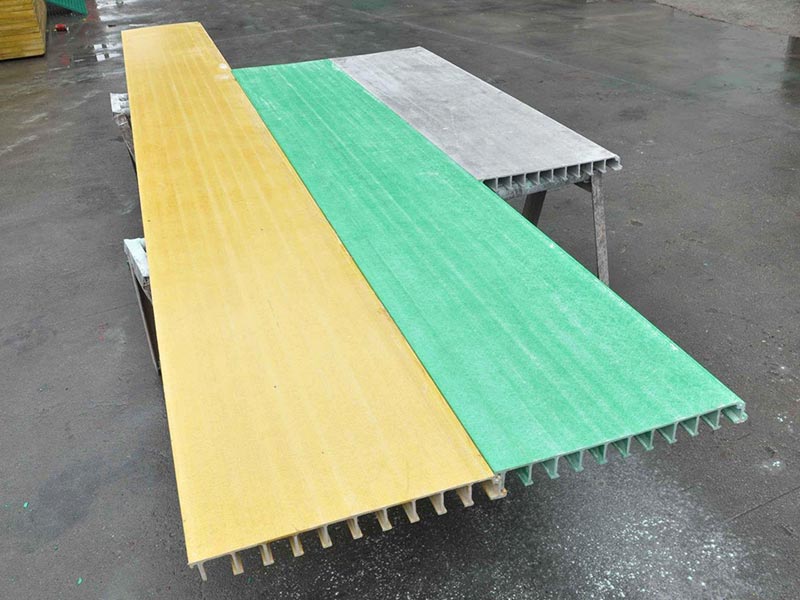
Pultruded panels are strongly directional, while molded grating distributes load through an intersecting grid. Mark bearing bars and support lines on the layout. For this topic, make “Start With Load Direction and Support Layout” a checked item on the drawing or schedule before fabrication.
Compare Clear Span Before Comparing Panel Depth
Use the actual support spacing, load case and deflection limit. A deeper panel is not automatically suitable if it is oriented or supported incorrectly. The FRP grating types review should close “Compare Clear Span Before Comparing Panel Depth” with measurable acceptance information rather than a general supplier statement.
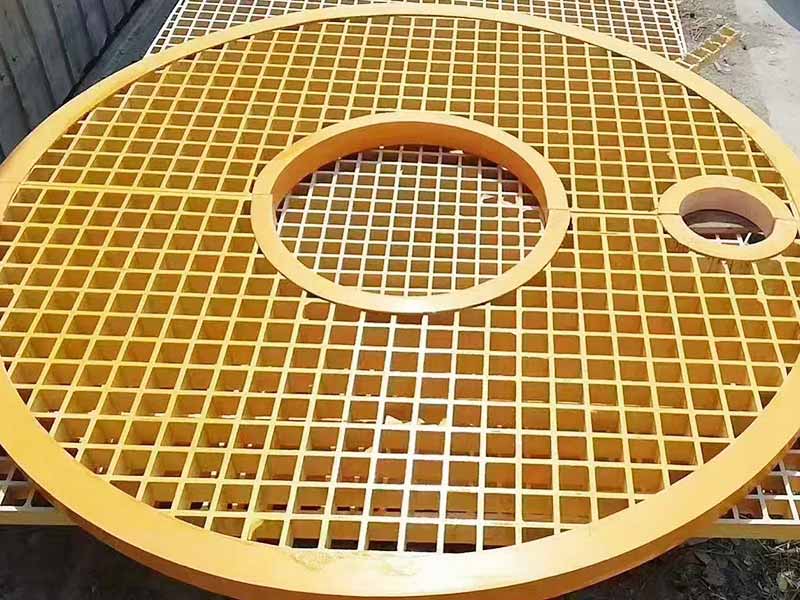
Choose Mesh and Open Area for the Process
Review dropped-object risk, drainage, ventilation, heel safety and debris size. The right opening depends on both operations and access. Record how FRP grating types addresses “Choose Mesh and Open Area for the Process” so site changes can be compared with the approved basis.
Account for Cutouts and Irregular Shapes
Molded panels may tolerate multidirectional cutting differently from pultruded panels. Frame large openings and preserve required load paths around penetrations. Assign responsibility for “Account for Cutouts and Irregular Shapes” in the FRP grating types scope instead of leaving the interface between trades undefined.
Fiberglass Grating decision table
| Project decision | Evidence to request | Risk if unresolved |
|---|---|---|
| Start With Load Direction and Support Layout | Pultruded panels are strongly directional, while molded grating distributes load through… | a material preference without a buildable detail |
| Compare Clear Span Before Comparing Panel Depth | Use the actual support spacing, load case and deflection limit | an unreviewed change when service conditions are revised |
| Choose Mesh and Open Area for the Process | Review dropped-object risk, drainage, ventilation, heel safety and debris size | wrong load transfer or restricted maintenance access |
| Account for Cutouts and Irregular Shapes | Molded panels may tolerate multidirectional cutting differently from pultruded panels | field drilling, local stress or a delayed inspection |
Plan Panel Size, Seams and Manual Handling
Standard panel dimensions affect waste, joint locations and lifting weight. Arrange seams over supports and consider how crews will move panels into the work area. Use “Plan Panel Size, Seams and Manual Handling” as a FRP grating types hold point when later work would conceal the condition or make correction difficult.
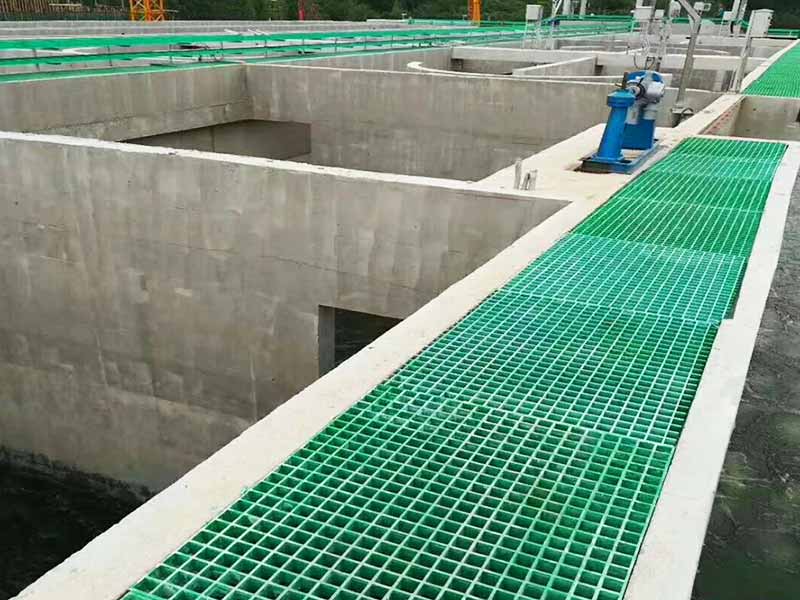
Specify Surface and Resin Separately
Mesh type does not determine chemical compatibility or traction. Define resin, surface, color and fire-performance needs from the service conditions. Link the FRP grating types decision on “Specify Surface and Resin Separately” to the relevant dimension, calculation assumption or inspection record.
Select Clips for Uplift and Movement
Fasteners should restrain panels without preventing intended movement or damaging bars. Check edge panels, vibration zones and removable access panels. For FRP grating types, make “Select Clips for Uplift and Movement” a checked item on the drawing or schedule before fabrication.
Compare Complete Installed Options
Evaluate supports, clips, cutout framing, waste, site labor and inspection along with panel supply. The lowest panel count may not produce the simplest installation. The FRP grating types review should close “Compare Complete Installed Options” with measurable acceptance information rather than a general supplier statement.
Documenting Fiberglass Grating decisions
A procurement package for FRP grating types should make the design basis behind “Compare Complete Installed Options” reviewable. The exact submittals depend on scope, but the owner should be able to identify what was selected, why it was selected and how the installed work was accepted. Avoid asking for unrelated certificates simply to make the package look complete.
- A dimensioned layout showing the orientation and interfaces of FRP grating types.
- The stated loads, exposure conditions and operating assumptions used for FRP grating types.
- Product data and material descriptions that correspond to the offered configuration.
- Connection, foundation, support or installation details within the supplier’s scope.
- Inspection, test, handling and maintenance information relevant to the finished work.
Fiberglass Grating: standards and design responsibility
Requirements for “Compare Clear Span Before Comparing Panel Depth” vary by location, facility and duty. A project review may draw on ASCE structural standards, ASTM D3917, ASTM D638 and OSHA walking-working surfaces. These links provide authoritative starting points; the responsible professional must decide what applies to FRP grating types and use the current edition required by the project.
Five practical questions about FRP grating types
Why should a team address start with load direction and support layout for FRP grating types?
Pultruded panels are strongly directional, while molded grating distributes load through an intersecting grid. Mark bearing bars and support lines on the layout. In a FRP grating types project, the answer should be recorded in a drawing, calculation, approved submittal or inspection note appropriate to the decision. If the necessary site information is unavailable, state the assumption and identify who must close it before work proceeds.
How should a designer address compare clear span before comparing panel depth for FRP grating types?
Use the actual support spacing, load case and deflection limit. A deeper panel is not automatically suitable if it is oriented or supported incorrectly. In a FRP grating types project, the answer should be recorded in a drawing, calculation, approved submittal or inspection note appropriate to the decision. If the necessary site information is unavailable, state the assumption and identify who must close it before work proceeds.
When should a contractor address choose mesh and open area for the process for FRP grating types?
Review dropped-object risk, drainage, ventilation, heel safety and debris size. The right opening depends on both operations and access. In a FRP grating types project, the answer should be recorded in a drawing, calculation, approved submittal or inspection note appropriate to the decision. If the necessary site information is unavailable, state the assumption and identify who must close it before work proceeds.
What evidence helps a buyer address account for cutouts and irregular shapes for FRP grating types?
Molded panels may tolerate multidirectional cutting differently from pultruded panels. Frame large openings and preserve required load paths around penetrations. In a FRP grating types project, the answer should be recorded in a drawing, calculation, approved submittal or inspection note appropriate to the decision. If the necessary site information is unavailable, state the assumption and identify who must close it before work proceeds.
How can an owner address plan panel size, seams and manual handling for FRP grating types?
Standard panel dimensions affect waste, joint locations and lifting weight. Arrange seams over supports and consider how crews will move panels into the work area. In a FRP grating types project, the answer should be recorded in a drawing, calculation, approved submittal or inspection note appropriate to the decision. If the necessary site information is unavailable, state the assumption and identify who must close it before work proceeds.
Fiberglass Grating decision record and handover
A strong FRP grating types article should connect “Start With Load Direction and Support Layout” to a better project brief, and a strong project brief should lead to evidence. Record the selected configuration, controlling loads or operating conditions, exposure, interfaces, installation limits and acceptance checks. That record is more valuable than a broad claim that one material or product is suitable for every site.
Review the Fiberglass Grating product information, browse the FRP product range, compare this topic with the related guide FRP Grating Installation Checklist for Industrial Floors, and read why FRP is used in demanding environments. To discuss drawings or service conditions for FRP grating types, contact the XPFRP project team.