يعد اختيار الأرضيات الصناعية حسب سمك اللوحة وحده خطأً شائعًا ومكلفًا. يمكن أن تتصرف اللوحان المتشابهان بشكل مختلف تمامًا عندما يتغير امتداد الدعم، أو عندما تخلق العجلة حملًا مركزًا، أو عندما يتم تثبيت قضبان المحمل في الاتجاه الخاطئ.
يشرح هذا الدليل كيفية تقييم سعة تحميل شبكة FRP دون التعامل مع جدول التحميل كمخطط بسيط للنجاح أو الفشل. إنه مكتوب لمشتري المشروع والمهندسين والمقاولين ومشغلي مياه الصرف الصحي ومديري المرافق الذين يحتاجون إلى طريقة أكثر أمانًا لمقارنة لوحات الممرات والمنصات والخنادق والسلالم ومناطق الوصول للصيانة.
ماذا ستتعلم:
- لماذا لا تكون سعة التحميل رقمًا عالميًا واحدًا
- كيف تتفاعل ظروف الامتداد ونوع التحميل والانحراف والشبكة والدعم
- كيفية التمييز بين الأحمال الموحدة والأحمال المركزة
- لماذا يمكن لقابلية الخدمة التحكم في التصميم قبل فشل المواد
- عندما تحل الأنظمة المقولبة والمثقوبة مشاكل مختلفة
- ما هي تفاصيل المشروع التي ينبغي تضمينها في طلب عرض الأسعار
- كيف يمكن لقرارات التثبيت أن تقلل من سعة اللوحة المناسبة
جدول المحتويات
لماذا سعة تحميل شبكة FRP ليست رقمًا واحدًا
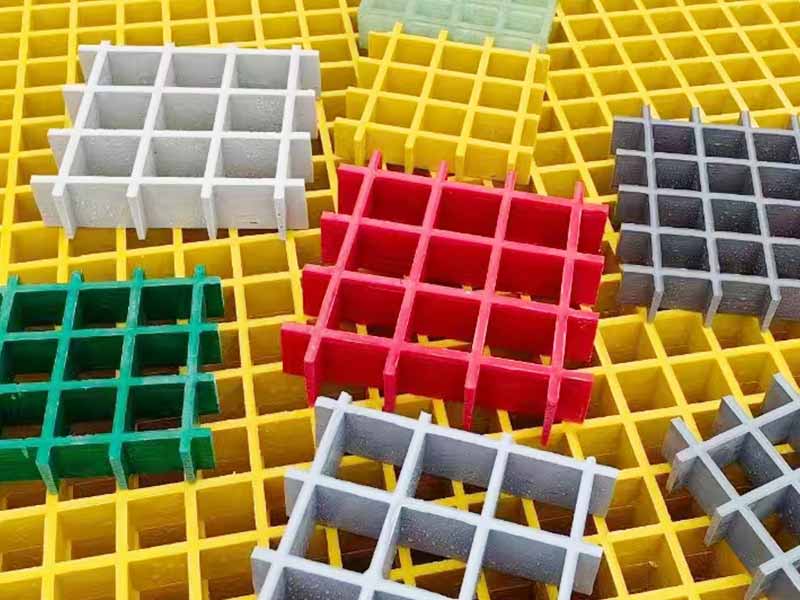
قد يسأل المشتري، “كم وزن هذه اللوحة؟” يبدو السؤال بسيطًا ولكنه غير مكتمل. تعتمد سعة تحميل شبكة FRP على العلاقة بين اللوحة وهيكل الدعم وطريقة دخول الحمل إلى اللوحة.
لا تحمل اللوحة نفس الحمل في كل فترة. يؤدي تقليل المسافة الواضحة بين الدعامات بشكل عام إلى تقليل الانحناء والانحراف. زيادة الامتداد تفعل العكس. كما أن اتجاه القضبان الحاملة الرئيسية مهم أيضًا، خاصة مع المنتجات المبثوقة المصممة لتكون أقوى في اتجاه واحد.
ويجب أيضًا تحديد الحمولة نفسها. إن حمولة المشاة الموزعة عبر المنصة ليست مثل عجلة المعدات الضيقة، أو عربة الصيانة، أو دعامة الأنابيب، أو جسم ثقيل يرتكز على مساحة صغيرة. قد يؤدي المنتج أداءً جيدًا تحت حمل موحد ولكنه يتطلب دعمًا إضافيًا تحت حمل مركز.
ولهذا السبب فإن سؤال الاختيار الصحيح هو:
ما هو تكوين شبكة FRP الذي يمكن أن يدعم الحمل المحدد على مدى واضح فعلي مع البقاء ضمن حد الانحراف المطلوب؟
يحول هذا السؤال استفسارًا عامًا عن المنتج إلى مواصفات هندسية قابلة للاستخدام.
المدخلات الخمسة وراء كل جدول تحميل مفيد
يجب دائمًا قراءة جدول تحميل شبكة FRP مع ملاحظاته ووحداته وافتراضات الدعم وظروف الاختبار. قبل مقارنة القيم، حدد المدخلات الخمسة التالية.
مسح نطاق الدعم
الامتداد الواضح هو المسافة غير المدعومة بين الأسطح الحاملة. لا يكون دائمًا نفس طول اللوحة أو التباعد من المركز إلى المركز للعوارض الداعمة.
قم بقياس المسافة المفتوحة التي يجب أن تسدها شبكة FRP. عندما يُظهر الرسم الخطوط المركزية للدعم فقط، قم أيضًا بتأكيد عرض الدعم بحيث يمكن تحديد الامتداد الواضح بشكل صحيح.
حتى التغيير البسيط نسبيًا في الامتداد يمكن أن يؤثر على حركة اللوحة. ولذلك يجب على المشترين تجنب طلب منتج يعتمد فقط على العرض الإجمالي للخندق أو أبعاد المنصة.
نوع التحميل
قد تنفصل جداول التحميل:
- الأحمال الموحدة عبر المنطقة
- يتم تطبيق الأحمال المركزة على مساحة صغيرة
- يتم تطبيق أحمال الخط على طول شريط ضيق
- أحمال المشاة
- أحمال المعدات أو العربات
- أحمال المركبات الخاصة
لا تقم أبدًا باستبدال نوع حمل بآخر دون مراجعة فنية. لا يتم تمثيل حمل العجلة بشكل آمن عن طريق تقسيم وزنه على منطقة المنصة بأكملها.
انحراف
الانحراف هو مقدار انحناء اللوحة تحت الحمل. قد تظل شبكة FRP أقل من قوتها النهائية بينما تظل منحنية بدرجة كافية لتشعر بعدم الاستقرار، أو إنشاء نقطة رحلة، أو إتلاف المكونات المتصلة، أو التداخل مع المعدات.
يسلط دليل صريف الصناعة الذي تم التأكيد عليه الضوء على قابلية الخدمة والانحراف باعتبارهما اعتبارات تصميم مركزية بدلاً من التعامل مع القوة النهائية باعتبارها المعيار الوحيد. يحدد إعلان الصناعة أيضًا جداول التحميل القائمة على الأداء، وتفاوتات التصنيع، وإرشادات الطلب كأدوات مواصفات مهمة. انظر إعلان دليل صريف المركبات FRP.
بناء اللوحة
عمق اللوحة وحده لا يحدد الأداء. تتأثر أيضًا سعة تحميل شبكة FRP بما يلي
- بناء مصبوب أو مثقوب
- هندسة شريط التحمل
- فتح الشبكة
- ترتيب تقوية الزجاج
- نظام الراتنج
- تصميم عبر القضبان أو العارضة
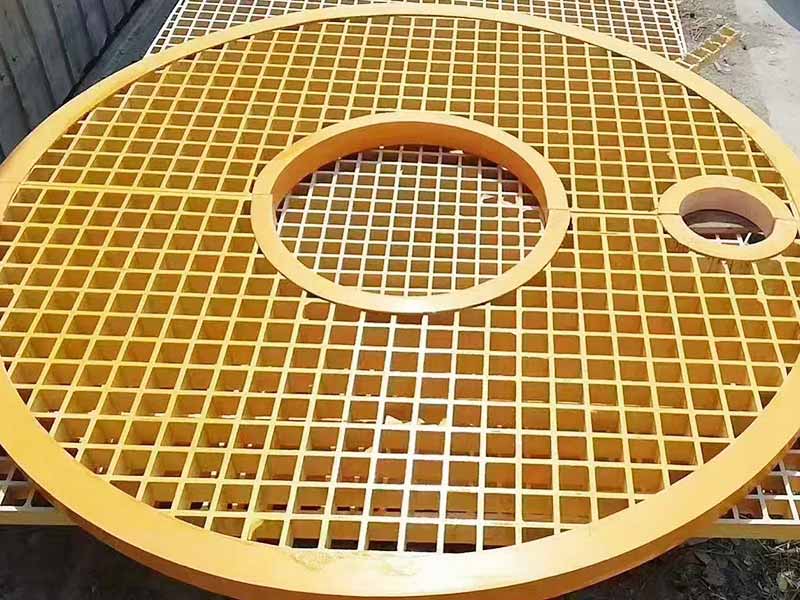
- تكوين مغطى أو شبكي مفتوح
- اتساق التصنيع
وبالتالي قد يكون لللوحتين اللتين لهما نفس العمق الاسمي سلوك حمل وانحراف مختلف.
شروط الدعم والتثبيت
تحتاج شبكة FRP إلى محمل مناسب عند حوافها ودعاماتها المتوسطة. تؤثر المشابك، وعمليات التثبيت، ومستوى الإطارات، ومفاصل الألواح، وقواطع الحواف، والمناطق الكابولية على الأداء في العالم الحقيقي.
لا يمكن للجدول المستند إلى عينات الاختبار المدعومة ببساطة التحقق تلقائيًا من صحة التثبيت باستخدام محمل حافة ضعيف، أو قواطع غير مدعومة، أو إطار فضفاض، أو وصلة لوحة موضوعة بشكل غير صحيح.
كيفية قراءة جدول تحميل شبكة FRP خطوة بخطوة
تمنع عملية القراءة المنظمة أخطاء التفسير الأكثر شيوعًا.
الخطوة 1: تأكيد عائلة المنتج
تحقق أولاً مما إذا كان الجدول ينطبق على شبكة FRP المقولبة أو المبثوقة. لا تستخدم قيمًا من منتج مشابه بصريًا، أو نمط شبكي آخر، أو عمق لوحة مختلف.
تأكد أيضًا من نظام الراتنج وحالة السطح إذا كانا جزءًا من تعيين الجدول. قد يكون للوحة المغطاة وزن وسلوك هيكلي مختلف عن اللوحة ذات الشبكة المفتوحة.
الخطوة 2: ابحث عن النطاق الواضح الفعلي
حدد موقع العمود أو الصف المطابق للمسافة غير المدعومة في المشروع.
عندما يقع المدى الدقيق بين القيم المنشورة، لا تفترض أنه يمكن تقدير الأداء من خلال الاستيفاء الخطي البسيط ما لم تسمح الشركة المصنعة أو مهندس المشروع بذلك.
يتمثل النهج الأكثر أمانًا في استخدام نطاق مدرج يساوي أو أكبر من النطاق الفعلي أو طلب حساب لترتيب الإطارات الدقيق.
الخطوة 3: حدد حالة التحميل الصحيحة
استخدم قسم الحمل الموحد للأحمال الموزعة على نطاق واسع وقسم الحمل المركز للأحمال المحلية. عندما يمكن أن يحدث كلاهما، تحقق من كليهما.
على سبيل المثال، قد تحتاج منصة الصيانة إلى دعم العمال في جميع أنحاء المنطقة وأيضًا مكون مضخة متحرك يتم وضعه مؤقتًا على قاعدة صغيرة. إن تمرير حالة المشاة فقط لن يعالج الشرط الثاني.
الخطوة 4: التحقق من الحمل والانحراف معًا
لا تتوقف عندما يعرض جدول التحميل قيمة أعلى من متطلبات المشروع. قم بمراجعة الانحراف المرتبط عند هذا الحمل.
يمكن أن يكون اختيار شبكة FRP غير مناسب بطريقتين مختلفتين:
- يتجاوز الحمل المطبق الحد الهيكلي المنشور.
- الحمل ضمن الحد الهيكلي، ولكن الانحراف يتجاوز معيار المشروع.
يتم التغاضي عن الحالة الثانية في كثير من الأحيان لأن اللوحة قد لا تكون قريبة من الفشل الهيكلي. ومع ذلك، قد يكون غير مناسب لسطح مشي مستقر ومريح.
الخطوة 5: اقرأ كل حاشية سفلية
قد تحدد الحواشي السفلية ما يلي:
- وحدات التحميل
- وحدات تمتد
- اتجاه الاختبار
- افتراضات الدعم
- عوامل السلامة
- الحد الأقصى للحمل الموصى به
- معايير الانحراف
- ظروف درجة الحرارة
- ما إذا كان يتم تضمين الوزن الذاتي للوحة
- ما إذا كانت القيم مبنية على الاختبار أو محسوبة
الرقم المنفصل عن حواشيه ليس قيمة هندسية كاملة.
الأحمال الموحدة والمركزة والمتدحرجة والصدمية
غالبًا ما تغير فئة التحميل اختيار شبكة FRP أكثر مما يتوقعه المشترون.
| حالة التحميل | مثال نموذجي | قلق التصميم الرئيسي | معلومات لتقديمها |
|---|---|---|---|
| حمل موحد | العمال موزعين عبر منصة | الانحناء والانحراف الشامل | تحميل المنطقة، الامتداد، تخطيط المنصة |
| الحمل المركز | المحرك، الصمام، قدم المعدات، خزانة الأدوات | الانحناء المحلي وتوزيع الأحمال | الوزن، منطقة الاتصال، الموقع الدقيق |
| الحمل المتداول | عربة يدوية أو عربة صيانة | التحميل الموضعي المتكرر | حمولة العجلة، عرض العجلة، طريق السفر |
| تحميل الخط | التقسيم، دعم الأنابيب، انزلاق المعدات | نقل الحمولة على طول مسار ضيق | الحمل لكل طول واتجاه الدعم |
| حمل التأثير | الأدوات المسقطة أو المواد التي تم التعامل معها | الإجهاد الديناميكي والأضرار المحلية | كتلة الجسم، خطر السقوط، طريقة التشغيل |
لماذا تعتبر منطقة الاتصال مهمة
تعمل قاعدة المعدات الواسعة على توزيع القوة على قضبان تحميل أكثر من العجلة الضيقة. وبالتالي فإن نفس الوزن الإجمالي يمكن أن يخلق طلبًا محليًا مختلفًا تمامًا.
عندما تعبر العربة المنصة، قم بتوفير الحمولة لكل عجلة بدلاً من الوزن الإجمالي للعربة فقط. اذكر أيضًا عرض العجلة، والتباعد بين العجلات، واتجاه السير، وما إذا كان المسار يعبر مفاصل اللوحة.
يمكن للعجلة الصلبة الصغيرة أن تخلق علبة تحميل أكثر تطلبًا من العديد من العمال الذين يقفون عبر منطقة منصة أكبر.
لماذا تحتاج حركة المرور المتكررة إلى مزيد من الاهتمام
يختلف الوصول إلى الصيانة من حين لآخر عن حركة المرور اليومية. قد يؤدي التحميل المتكرر إلى كشف مفاصل اللوحة الضعيفة والمشابك السائبة والحواف غير المدعومة وتآكل السطح الموضعي.
عندما يكون من المتوقع حركة المعدات بشكل منتظم، قد يتطلب التصميم ما يلي
- تباعد دعم أقرب
- بناء شبكي مختلف من FRP
- تأطير إضافي
- فتحات شبكية أصغر
- طريق مروري معزز
- سطح محدد لمتانة العجلة
ولذلك ينبغي تضمين تردد حركة المرور المتوقع في المواصفات الأصلية.
الانحراف: الرقم الذي يتجاهله المشترون في أغلب الأحيان
FRP عبارة عن مركب هندسي، ويختلف سلوك صلابته عن الأرضيات المعدنية المألوفة. قد تتمتع لوحة الشبكة FRP بقوة هيكلية كافية مع إنتاج حركة أكثر وضوحًا مما يتوقعه المستخدمون.
ولهذا السبب يجب على المشتري أن يذكر متطلبات الانحراف بدلاً من طلب منتج “ عالي الرسوم فقط. ”Heavy Duty“ هي فئة عامة؛ الانحراف هو شرط مشروع قابل للقياس.
القوة مقابل إمكانية الخدمة
قوة يسأل ما إذا كانت اللوحة قادرة على مقاومة الحمل المطبق دون فشل هيكلي.
إمكانية الخدمة يسأل عما إذا كانت اللوحة تظل مستقرة ومريحة وعملية بدرجة كافية أثناء التشغيل العادي.
بالنسبة للممر، يمكن أن تؤثر الحركة المفرطة على ثقة المستخدم وتخلق اختلافات بين حواف اللوحة المجاورة. بالنسبة لغطاء الخندق، يمكن أن تتداخل الحركة مع الأختام أو الأرضيات المحيطة. بالنسبة لمنصة المعدات، قد يؤثر ذلك على المحاذاة أو التوصيلات أو الاهتزاز.
الأسئلة التي يجب طرحها قبل الموافقة على اللجنة
- ما هو الانحراف الذي يحدث عند الحمل التصميمي؟
- ما هو حد الانحراف المستخدم؟
- هل تنطبق القيمة على المدى الواضح الفعلي؟
- هل الحمل موحد أم مركز؟
- هل يستخدم الحساب الاتجاه الصحيح لقضيب المحمل؟
- هل يتم وضع جميع مفاصل اللوحة فوق الدعامات؟
- هل سيؤثر التحميل طويل المدى على متطلبات التصميم؟
- هل ينطبق الجدول على السطح والشبكة المقترحة؟
يجب أن تأتي الإجابة من جدول موثق أو حساب أو أساس اختبار وليس من سمك اللوحة وحدها.
مصبوب مقابل شبكة FRP Pultruded للمشاريع التي تعتمد على التحميل
يمكن أن يكون كل من شبكة FRP المقولبة والمثقبة مناسبًا، لكن سلوكها الهيكلي وتطبيقاتها المفضلة تختلف.
| عامل الاختيار | صريف FRP مصبوب | شبكة FRP مثقوبة |
| مسار التحميل | المزيد من سلوك الشبكة متعددة الاتجاهات | اتجاه تحمل أساسي قوي |
| قواطع معقدة | في كثير من الأحيان أكثر تسامحا مع فتحات المجال | يتطلب اهتماما دقيقا لقضبان التحمل |
| مسافات طويلة وواضحة | قد يتطلب لوحات أعمق أو تأطير أقرب | غالبًا ما يتم اختياره للتصميمات الفعالة |
| تخطيطات تآكل | شائع في مياه الصرف الصحي والمناطق الكيميائية | مناسب عندما يتطابق الراتنج والتصميم مع التعرض |
| التثبيت الاتجاهي | أقل حساسية للاتجاه في العديد من التخطيطات | اتجاه شريط التحمل أمر بالغ الأهمية |
| سائق القرار النموذجي | التآكل والصرف ومرونة التخطيط | صلابة اتجاهية أعلى والطلب على الامتداد |
لا تعد شبكة FRP المقولبة خيارًا ذو سعة أقل تلقائيًا، كما أن شبكة FRP المقولبة ليست صحيحة تلقائيًا لكل حمل ثقيل.
يجب تقييم شبكة الدعم واتجاه الحمل والشبكة وعمق اللوحة والراتنج والقواطع وهدف الانحراف.
لإجراء مقارنة أوسع بين البناءين وتطبيقاتهما الصناعية، اقرأ الموجود دليل صريف FRP للأرضيات الصناعية.
كيف يغير حجم الشبكة توزيع الأحمال
يتم التعامل مع حجم الشبكة في بعض الأحيان فقط على أنه مظهر أو خيار تصريف. في الواقع، يمكن أن يؤثر أيضًا على كيفية توزيع الأحمال الموضعية.
قد تلامس العجلة الضيقة أو قدم المعدات عددًا صغيرًا فقط من قضبان التحميل عندما تكون فتحة الشبكة كبيرة. يمكن لفتحة أصغر توزيع الحمل عبر المزيد من العناصر الهيكلية، اعتمادًا على البناء.
ينبغي أن يأخذ اختيار الشبكة في الاعتبار:
- راحة المشاة
- أبعاد العجلة
- تسليم الأداة والكائن
- متطلبات الصرف
- تهوية
- تنظيف الوصول
- متطلبات أمان الكعب أو إمكانية الوصول
- اتجاه حركة المرور
- مواقع القطع
شبكة قياسية
يتم تحديد الشبكة المفتوحة القياسية بشكل شائع حيث تكون أولويات الصرف والتهوية ووزن اللوحة المنخفض.
يمكن أن تكون مناسبة للمنصات والممرات الصناعية ومرافق مياه الصرف الصحي ومناطق المعالجة الكيميائية عندما تسمح متطلبات الحمل وإسقاط الجسم بحجم الفتح.
شبكة صغيرة
تستخدم شبكة FRP ذات الشبكة الدقيقة فتحات أصغر. يمكن الأخذ في الاعتبار الأماكن التي تكون فيها العجلات الضيقة أو راحة المشي أو خطر سقوط الأشياء الصغيرة على الأرض أمرًا مهمًا.
الفتحة الأصغر لا تلغي الحاجة إلى مراجعة جدول التحميل بشكل مناسب. لا يزال عمق اللوحة وامتدادها وبنيتها وانحرافها يتحكم في الاختيار النهائي.
صريف مغطاة
تجمع اللوحة المغطاة بين قاعدة شبكية وسطح علوي صلب. قد يقلل من الرش وحركة الرائحة والصرف عبر اللوحة وخطر سقوط الأشياء بالأسفل.
A لوحة شبكية مغطاة FRP يمكن أن تكون مفيدة حول خزانات مياه الصرف الصحي، وحفر التفتيش، والخنادق، ومناطق المعالجة. ومع ذلك، يجب على المشترين طلب بيانات التحميل التي تنطبق على البناء المغطى بالكامل بدلاً من افتراض بقاء جدول الشبكة المفتوحة دون تغيير.
اختيار السطح للمناطق الرطبة والصناعية
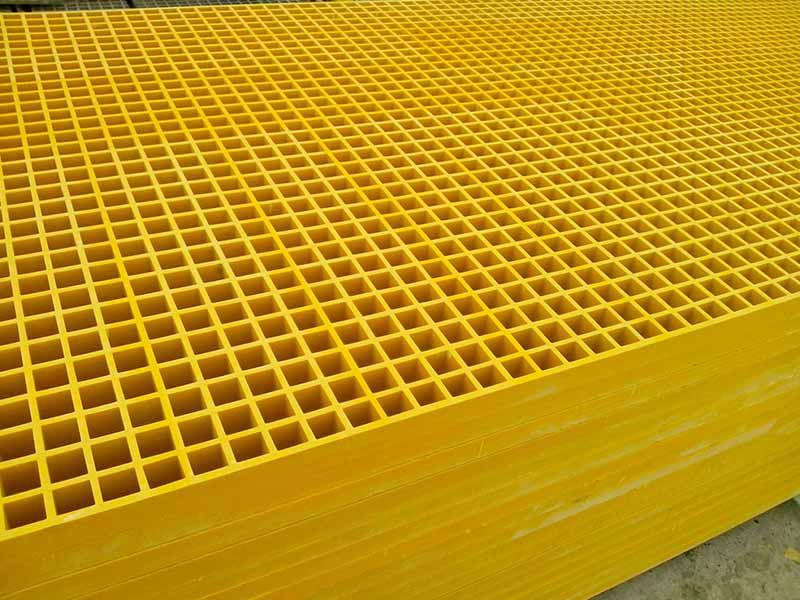
قد تظل اللوحة المناسبة من الناحية الهيكلية غير مناسبة إذا كان سطح المشي لا يتطابق مع بيئة التشغيل.
تشمل خيارات السطح الشائعة ما يلي:
- سطح محفور
- سطح مقعر
- سطح محكم
- سطح أملس
- سطح مغطى ومنقوش
سطح محزز
يمكن أن يؤدي التشطيب المحبب إلى تحسين الجر في المناطق الرطبة أو الزيتية أو الخارجية. يجب أن تتوافق درجة الحصى وجودة الترابط مع طريقة التنظيف وحركة المرور المتوقعة.
قد يوفر السطح العدواني للغاية قوة جر قوية ولكن قد يكون تنظيفه أكثر صعوبة. قد يكون من الأسهل الحفاظ على اللمسة النهائية الأخف ولكنها أقل ملاءمة للتلوث الزيتي.
سطح مقعر
يتم استخدام الجزء العلوي المقعر بشكل شائع عندما تكون هناك حاجة إلى مقاومة انزلاق معتدلة وتنظيف أسهل. تعتمد ملاءمتها على الظروف الفعلية للسائل والحمأة والزيت والأحذية.
سطح أملس أو مغطى
يمكن أن تكون الأسطح الملساء أسهل في التنظيف ولكنها قد تتطلب معالجة إضافية مقاومة للانزلاق في المناطق الرطبة.
يمكن لشبكة FRP المغطاة تحسين الاحتواء وراحة المشي، ولكن يجب تخطيط الصرف بشكل منفصل. لا ينبغي السماح للمياه بالتجمع على اللوحة دون وجود مسار صرف متعمد.
لا يمكن فصل اختيار الراتنج عن اختيار الحمل
تؤثر مصفوفة الراتنج على المقاومة الكيميائية، والتجوية، وأداء اللهب، وملاءمة درجة الحرارة، والمتانة على المدى الطويل.
قد تتعرض لوحة شبكة FRP الملائمة هيكليًا لتدهور سابق لأوانه للسطح أو الراتنج عندما لا يتطابق نظام الراتنج مع البيئة الكيميائية.
تزويد المورد بما يلي:
- الاسم الكيميائي
- تركيز
- التعرض للسائل أو البخار أو الرذاذ أو الغمر
- درجة حرارة التشغيل العادية
- أقصى درجة حرارة التشغيل
- مواد التنظيف الكيميائية
- تردد التنظيف
- تركيب داخلي أو خارجي
- التعرض للأشعة فوق البنفسجية
- المدة المتوقعة للتعرض
“استخدام المصانع الكيميائية يكون نطاق الانتشار واسعًا جدًا لأن الأحماض والقلويات والمذيبات والأملاح والعوامل المؤكسدة ومواد التنظيف الكيميائية تخلق ظروفًا مختلفة.
عند تحديد أداء انتشار اللهب، اطلب التقرير المعمول به والتعريف الدقيق للمنتج. أستم E84 تقارير مقارنة لمؤشرات انتشار اللهب والدخان في ظل ظروف اختبار محددة. إنه ليس في حد ذاته اختبارًا للحمل الهيكلي أو تقييمًا كاملاً لمخاطر الحرائق.
سيناريو عملي لمواصفات صريف FRP
فكر في إنشاء ممر للصيانة فوق منطقة معالجة مياه الصرف الصحي. يستخدم العمال المسار يوميًا، وتعبره عربة صيانة ذات عجلات من حين لآخر.
قد يقول استفسار ضعيف:
يرجى ذكر شبكة FRP الخضراء بحجم قياسي. نحن بحاجة إلى لوحة شديدة التحمل.
ولا يوفر هذا الطلب معلومات كافية لتحديد مدى ملاءمته.
المواصفات الأقوى ستشمل:
- التركيب: ممر مرتفع لمياه الصرف الصحي
- التعرض: الرطوبة الخارجية، والغازات المعالجة، والرش الكيميائي الدوري
- حركة المرور: الاستخدام اليومي للمشاة
- الحمل الإضافي: عربة صيانة مع الحمل المذكور لكل عجلة
- نطاق دعم واضح: يتم قياسه بين حواف المحمل
- تخطيط اللوحة: يظهر على رسم مميز
- السطح: مقاوم للانزلاق ومناسب للتنظيف المنتظم
- الشبكة: تم اختيارها لعرض العجلة والتحكم في سقوط الكائن
- معيار الانحراف: ذكره مهندس المشروع
- متطلبات الراتنج: مختارة من التعرض الكيميائي الفعلي
- القواطع: المواقع والأبعاد الموضحة
- السحابات: متوافقة مع بيئة التشغيل
- المستندات: جدول التحميل وبيانات المواد والتفاوتات وتقارير الاختبار
تسمح هذه المعلومات للمورد بتقييم نظام شبكة FRP الكامل بدلاً من مجرد مطابقة اللون والسمك.
تفاصيل التثبيت التي يمكن أن تقلل من سعة التحميل الحقيقية
حتى شبكة FRP المحددة بشكل صحيح يمكن أن تؤدي أداءً سيئًا عندما يغير التثبيت حالة الدعم المفترضة في جدول التحميل.
اتجاه شريط التحمل
يجب تركيب شبكة FRP المبثوقة بقضبان المحمل الأساسية الممتدة بين الدعامات الهيكلية. يمكن أن يؤدي تدوير اللوحة إلى وضع الاتجاه الأضعف عبر الفتحة.
يجب تحديد اتجاه المحمل في رسومات التصنيع وخطط القطع وملصقات اللوحات ورسومات التثبيت.
مفاصل اللوحة
يجب عادةً وضع وصلات اللوحة فوق دعامة مناسبة. يمكن أن تتحرك الوصلة غير المدعومة تحت حركة المرور، وتنشئ حواف غير متساوية، وتنقل الحمل بشكل مختلف عن التكوين الذي تم اختباره.
عندما تلتقي لوحتان، يجب أن يوفر العضو الداعم محملًا مناسبًا لكلا الحافتين.
تحمل الحافة
تحتاج اللوحة إلى مقاعد كافية على الإطار الداعم. يمكن أن تزيد أسطح المحامل الضيقة أو التالفة أو غير المستوية أو المسدودة من الضغط المحلي وتسمح بالحركة.
يجب أن يؤكد القائم بالتركيب أن الإطار مستوي قبل وضع الألواح.
القواطع
يجب التخطيط لفتحات الأنابيب والصمامات والكابلات والمعدات قبل التصنيع كلما أمكن ذلك. يمكن للقواطع الكبيرة أو ذات الوضع السيئ إزالة القضبان الحاملة ومقاطعة مسار الحمل المقصود.
حسب الفتحة قد يتطلب التصميم ما يلي
- تأطير دعم إضافي
- تعزيز الحافة
- تخطيط اللوحة المنقحة
- قواطع فردية أصغر
- ترتيب لوحة مقسمة
- قطع المصنع على أساس الرسومات المعتمدة
مقاطع معلقة
تساعد المشابك على التحكم في حركة اللوحة ورفعها واهتزازها. أنها لا تعوض عن الدعم الهيكلي المفقود.
يجب أن يتطابق نوع المشبك والتباعد والمواد وطريقة التثبيت مع شبكة FRP وبيئة التشغيل. يمكن أن يؤدي الإفراط في الشد إلى إتلاف سطح اللوحة، بينما يمكن أن يسمح الشد المنخفض بالحركة.
حالة إطار الدعم
الفولاذ الداعم أو الخرسانة أو النظام الهيكلي FRP يجب أن تكون مستوية ومستقرة ومتباعدة بشكل صحيح ومناسبة لحمل التصميم.
لا يتحقق جدول التحميل لشبكة FRP من قوة العوارض أو القنوات أو الزوايا أو الحواف الخرسانية الموجودة أسفلها.
أسئلة السلامة والامتثال للممرات الصناعية
يجب تقييم أسطح المشي الصناعية كجزء من مكان العمل الكامل وليس كألواح معزولة.
تنص إدارة السلامة والصحة المهنية الأمريكية على أن أسطح المشي والعمل يجب أن تدعم الحد الأقصى للحمل المقصود ويجب فحصها وصيانتها في حالة آمنة. يعتمد هذا المطلب على الأداء، لذا يجب على فريق المشروع المسؤول تحديد العبء المطبق في مكان العمل الفعلي والتحقق منه. يرى إدارة السلامة والصحة المهنية 29 CFR 1910.22.
ولذلك ينبغي أن تأخذ مراجعة المشروع في الاعتبار ما يلي
- الحد الأقصى للحمل المقصود
- مخاطر الانزلاق والرحلة
- الوصول والخروج الآمن
- حماية الحواف والدرابزين
- الفتحات ومخاطر السقوط
- الصرف الصحي والتلوث
- تردد التفتيش
- الضرر بعد التأثير أو التعديل
- التوافق مع هيكل الدعم
- متطلبات البناء المحلي والسلامة المهنية
لا توجد مقالة عامة عن المنتج أو جدول كتالوج يحل محل المراجعة التي يجريها شخص مؤهل عندما يتعلق الأمر بالسلامة الهيكلية أو الامتثال التنظيمي.
FRP صريف وثائق الجودة للطلب
يجب أن تتجاوز المراجعة الجادة للمشتريات صورة المنتج ووصف الكتالوج القصير. اطلب المستندات التي تربط اللوحة المسلمة بالأداء المقترح.
بيانات التحميل والانحراف
يجب أن يحدد جدول التحميل ما يلي:
- بناء المنتج
- عمق اللوحة
- شبكة
- فترة واضحة
- حالة التحميل
- الوحدات
- اتجاه التحميل
- انحراف
- افتراضات التصميم
وضح ما إذا كانت القيم هي أحمال التصميم الموصى بها، أو نتائج الاختبار، أو النتائج المحسوبة، أو القيم النهائية.
التسامح الأبعاد
تأكد من طول اللوحة وعرضها وعمقها وأبعاد الشبكة والتسطيح واتساق شريط المحمل.
تؤثر تفاوتات الأبعاد على التركيب ومفاصل اللوحة ومنطقة المحمل وكمية القطع المطلوبة في الموقع.
معلومات مادية
اطلب نوع الراتينج ووصف التعزيز وتشطيب السطح واللون وأحكام الأشعة فوق البنفسجية ومعلومات المقاومة الكيميائية ذات الصلة.
بالنسبة للمشاريع الخارجية، تأكد من أن المادة والسطح المقترحين مخصصان لظروف التجوية المتوقعة.
تقارير الاختبار ذات الصلة
اعتمادا على المشروع، قد تشمل الوثائق ما يلي
- اختبار الحمل الهيكلي
- اختبار الانحراف
- بيانات انتشار اللهب
- اختبار الخصائص الكهربائية
- اختبار مقاومة الانزلاق
- معلومات الراتنج أو المقاومة الكيميائية
- تفتيش طرف ثالث
تأكد من أن العينة التي تم اختبارها تتطابق مع عائلة المنتج المقترحة. لا ينبغي تطبيق تقرير عن راتينج أو سطح أو شبكة أو بناء واحد تلقائيًا على كل لوحة شبكية FRP.
سجلات فحص الإنتاج
يمكن أن تشمل فحوصات الإنتاج المفيدة ما يلي
- أبعاد اللوحة
- اتساق الشبكة
- حالة السطح
- حالة الشفاء
- العيوب المرئية
- قضبان التحميل التالفة
- تسطيح اللوحة
- تحديد لوحة القطع
- حالة التغليف
بالنسبة للوحات المقطوعة حسب الطلب، اطلب خطة قطع أو جدول لوحة بحيث يمكن مطابقة كل قطعة مع رسم الموقع.
أخطاء الشراء الشائعة والبدائل الأفضل
| خطأ شائع | لماذا يخلق المخاطر | نهج أفضل |
| الاختيار فقط بالسمك | يتجاهل الامتداد والشبكة وتصميم الشريط والانحراف | قم بمطابقة جدول موثق بحالة التحميل الفعلية |
| توفير الوزن الإجمالي للمعدات فقط | يخفي أحمال العجلة أو القدم المركزة | توفير الحمل لكل عجلة أو نقطة اتصال |
| تجاهل اتجاه شريط المحمل | يمكن وضع الاتجاه الأضعف عبر الامتداد | وضع علامة على اتجاه التحميل على الرسومات |
| معاملة جميع المواد الكيميائية على قدم المساواة | تختلف ملاءمة الراتنج حسب التعرض | توفير المواد الكيميائية والتركيز ودرجة الحرارة |
| اختيار “anti-slip” بدون سياق | تختلف الاحتياجات السطحية في الزيت والماء والحمأة | وصف التلوث وظروف التنظيف |
| قطع الفتحات دون مراجعة | يمكن إزالة قضبان الحمل الهيكلية | خطط للقواطع وأضف الإطار عند الحاجة |
| استخدام المقاطع كدعم هيكلي | تتحكم المشابك في الحركة ولكنها لا تحل محل الحزم | توفير تحمل مستمر ومتباعد بشكل صحيح |
| مقارنة أرقام الجدول بدون ملاحظات | قد تختلف الوحدات والافتراضات | قراءة العناوين والحواشي وأساس الاختبار |
| الموافقة عن طريق التحميل النهائي فقط | قد يكون انحراف الخدمة غير مقبول | التحقق من معيار انحراف المشروع |
| الطلب قبل الرسومات نهائي | إنشاء مفاصل غير مدعومة وإعادة صياغة الموقع | تنسيق تخطيط اللوحة مع إطار الدعم |
قائمة مراجعة الاستفسار عن FRP
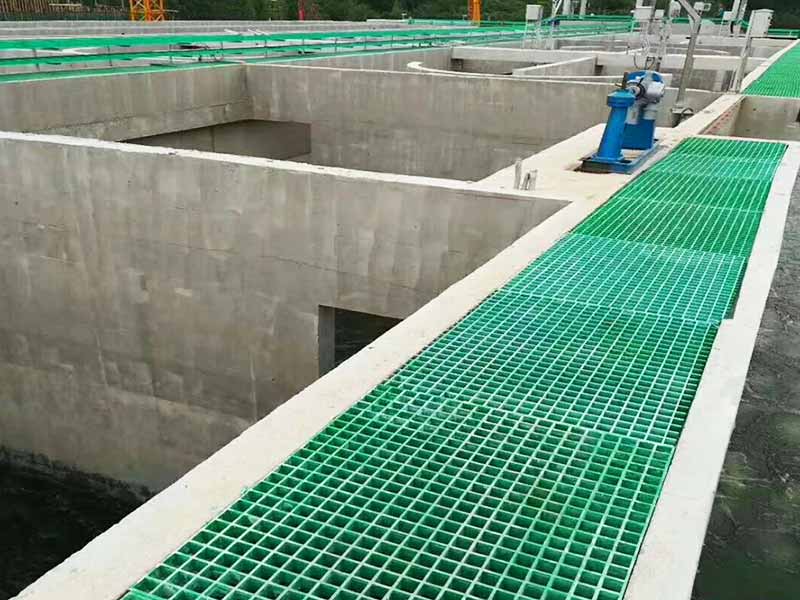
قبل طلب عرض الأسعار، قم بإعداد المعلومات التالية:
- التطبيق والصناعة
- تركيب داخلي أو خارجي
- مسح فترة الدعم
- دعم التخطيط وعرض المحمل
- تحميل التصميم الموحد
- الحمل المركز أو العجلة
- حد الانحراف المطلوب
- أبعاد اللوحة وكميتها
- تفضيل مصبوب أو منتفخ، إذا كان محددا
- متطلبات فتح الشبكة
- نوع السطح
- التعرض للراتنج أو المواد الكيميائية
- درجات حرارة التشغيل والتنظيف
- متطلبات اللهب أو الكهرباء أو الانزلاق
- القواطع وتفاصيل الحافة
- متطلبات التثبيت
- الرسومات وجدول اللوحة
- وثائق الاختبار والتفتيش المطلوبة
- احتياجات التعبئة والتغليف وتحديد اللوحة
- موقع التثبيت والمعايير المعمول بها
يمكن للمشترين مراجعة ما هو متاح فئة منتجات صريف FRP و حينئذ اتصل بفريق المشروع مع الرسومات وحالات التحميل وتفاصيل الامتداد وظروف التشغيل.
الأسئلة الشائعة
ما مقدار الوزن الذي يمكن أن تحمله شبكة FRP؟
لا توجد سعة واحدة لكل لوحة شبكية FRP. تعتمد الإجابة على بناء المنتج، وعمق اللوحة، والشبكة، واتجاه قضيب المحمل، والامتداد الواضح، وحالة الدعم، ونوع الحمل، والانحراف المسموح به.
استخدم جدول التحميل للمنتج الدقيق وتحقق من السعة الهيكلية والانحراف.
هل اللوحة السميكة أقوى دائمًا؟
قد يؤدي العمق الأكبر إلى تحسين الأداء ضمن نفس عائلة المنتجات، لكن السُمك وحده لا يكفي للمقارنة.
يؤثر أيضًا تصميم قضيب المحمل والشبكة والتعزيز وطريقة التصنيع وامتداد الدعم واتجاه الحمل على سلوك شبكة FRP.
ما الفرق بين الحمل الموحد والمركز؟
يتم توزيع الحمل الموحد على منطقة ما. يعمل الحمل المركز على مساحة صغيرة، مثل قدم المعدات أو العجلة.
يمكن للأحمال المركزة أن تخلق طلبًا محليًا أكبر حتى عندما يكون وزنها الإجمالي أقل من الحمل الموحد عبر المنصة.
هل يمكن لشبكة FRP دعم العربات أو العربات؟
يمكن تحديد شبكة FRP لأحمال متدحرجة معينة، لكن المورد يحتاج إلى الحمولة لكل عجلة، وأبعاد العجلة، وتباعد المحور، ومسار السفر، والامتداد، وتخطيط لوحة المفصل.
لا ينبغي استخدام جدول تحميل المشاة كأساس وحيد لحركة مرور العربات المنتظمة.
لماذا يغير دعم الامتداد النتيجة كثيرًا؟
المسافة الأطول غير المدعومة تزيد من الانحناء والانحراف. قد تكون إضافة الدعامات أو إعادة وضعها في بعض الأحيان أكثر فعالية من اختيار لوحة أعمق بكثير.
هل يجب دعم مفاصل اللوحة؟
يجب تنسيق وصلات اللوحة مع الإطار الداعم. يمكن أن تتحرك الوصلات غير المدعومة، وتخلق حواف غير مستوية، وتتصرف بشكل مختلف عن الظروف المفترضة في جدول التحميل.
هل شبكة FRP المقولبة أو المبثوقة أفضل للأحمال الثقيلة؟
غالبًا ما يتم اختيار البناء المقذوف للحصول على صلابة اتجاهية أعلى أو مسافات أطول. يمكن أن يوفر البناء المصبوب سلوكًا مفيدًا متعدد الاتجاهات ومرونة في القطع.
يعتمد الخيار الأفضل على التحميل الكامل والامتداد والبيئة والشبكة وتخطيط التثبيت.
هل يمكن استخدام جدول التحميل للوحة ذات قواطع كبيرة؟
ليس تلقائيا. يمكن للقواطع الكبيرة إزالة القضبان الحاملة وتغيير السلوك الهيكلي للوحة.
قم بتوفير رسم القطع بحيث يمكن النظر في الإطارات الإضافية أو التعزيز أو ترتيب اللوحة المنقح.
هل يثبت تصنيف مثبطات اللهب سعة الحمولة؟
رقم: انتشار اللهب وأداء الحمل الهيكلي هما خصائص مختلفة.
اطلب جدول الحمل الهيكلي المناسب بالإضافة إلى أي وثائق مطلوبة لأداء اللهب.
ما هي التفاصيل المطلوبة للحصول على عرض أسعار دقيق؟
توفير التطبيق، والامتداد، ودعم الرسم، والأحمال الموحدة والمركزة، ومتطلبات الانحراف، وحجم اللوحة، والشبكة، والسطح، والتعرض للراتنج، والقواطع، والمثبتات، والاختبار المطلوب.
يؤدي الاستفسار التفصيلي إلى جعل المقارنة الفنية أسهل بكثير ويقلل من مخاطر تلقي توصية منتج غير مناسبة.
خاتمة
لا يمكن تأكيد سعة تحميل شبكة FRP من خلال السُمك أو اللون أو ملصق “ العام للخدمة الشاقة. يعتمد الاختيار الآمن على بنية اللوحة الدقيقة، وامتداد الدعم الواضح، وتوزيع الحمل، واتجاه شريط التحمل، وحد الانحراف، وحالة الدعم، وبيئة التشغيل، وتخطيط التثبيت.
العملية الأكثر موثوقية هي تحديد حالات التحميل الحقيقية أولاً، ومطابقتها مع جدول التحميل والانحراف الموثق، ثم التحقق من تفاصيل الموقع التي تؤثر على الأداء.
لا ينبغي أبدًا التعامل مع حركة المشاة الموحدة، والعجلات الضيقة، وأقدام المعدات، والقواطع، ومفاصل الألواح، والتعرض للمواد الكيميائية كظروف قابلة للتبديل.
بالنسبة للممرات الصناعية ومنصات مياه الصرف الصحي وأغطية الخنادق ومناطق الصيانة وأنظمة الوصول المقاومة للتآكل، يمكن أن يدعم Xinpeng تكوينات شبكة FRP القياسية والمخصصة.
أرسل رسوماتك، والمسافة الواضحة، ومعلومات التحميل، والتعرض للمواد الكيميائية، ومتطلبات السطح، واحتياجات التوثيق من خلال صفحة الاتصال لمناقشة مواصفات المشروع المناسبة.