Table of Contents
Roof framing in chemical plants, wastewater facilities, livestock buildings, coastal workshops, and outdoor industrial structures has to do more than hold roof panels in place. The purlin system may face humidity, acid vapor, alkaline cleaning agents, salt air, temperature swings, and routine maintenance traffic. When a conventional metal member begins to rust, the roof structure can become harder to inspect, more expensive to maintain, and less reliable over time. This is why many project buyers now evaluate FRP purlins as a practical alternative for corrosive roofing and industrial building projects.
This guide explains where FRP purlins make sense, what buyers should confirm before ordering, and how to compare fiberglass purlins with steel purlins without reducing the decision to one simple material label. The goal is to help engineers, contractors, and procurement teams prepare a clearer inquiry and avoid common specification mistakes.
What Are FRP Purlins?
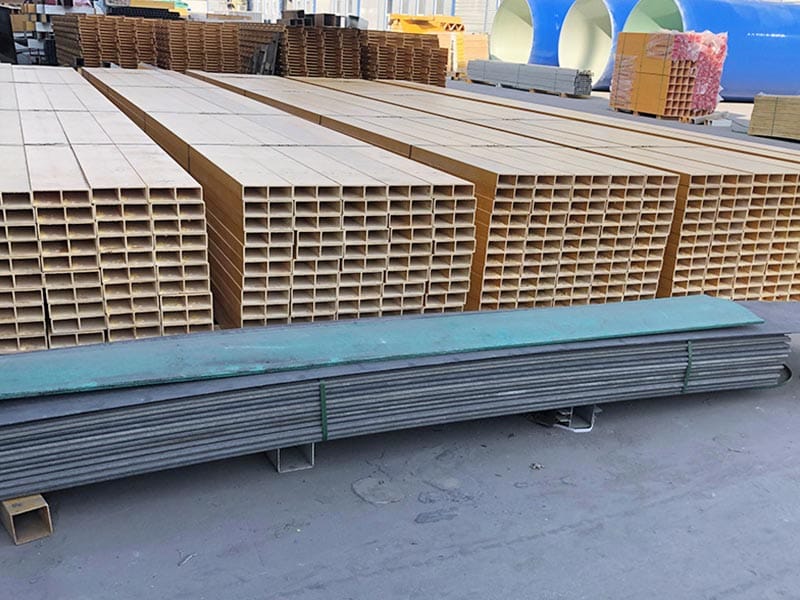
FRP purlins are roof support members made from fiberglass reinforced plastic, a composite material that combines glass fiber reinforcement with a resin matrix. In a roof system, purlins usually span between primary frames and support roof sheets, skylight panels, or other covering materials. You can review the basic structural role of a purlin, but material selection depends heavily on the working environment.
Unlike painted or galvanized steel, FRP purlins do not rely only on a surface coating for corrosion resistance. Their performance comes from the composite structure and the selected resin system. This makes them useful in buildings where moisture and aggressive gases can shorten the service life of ordinary steel components. For a broader material background, fiberglass reinforced plastic is widely used where corrosion resistance, low weight, and electrical insulation are important.
Where FRP Purlins Are Commonly Used
FRP purlins are most valuable in buildings where roof framing is exposed to corrosive or wet conditions. They are often considered for chemical processing workshops, fertilizer plants, wastewater treatment buildings, coastal warehouses, livestock farms, aquaculture facilities, food processing areas, and industrial sites that require frequent washing. In these places, roof structures may be affected by vapor, splashing, condensation, or outdoor weather.
For example, a wastewater building may contain hydrogen sulfide, ammonia, and high humidity. A coastal workshop may experience salt air and strong UV exposure. An agricultural facility may combine animal waste gases, cleaning chemicals, and condensation. In each case, FRP purlins can reduce dependence on repainting and coating maintenance, provided the correct resin, profile shape, span, and installation details are selected.
Buyers who are already evaluating FRP anti-corrosion purlins should think about the full roof environment rather than only the member size. The surrounding fasteners, roof sheets, ventilation design, and maintenance access also affect long-term performance.
Why Industrial Buyers Choose FRP Purlins
The main reason buyers choose this material is corrosion control. In corrosive buildings, steel purlins may need protective coatings, inspection, repainting, or replacement after long exposure. FRP purlins are designed for environments where corrosion is part of the operating reality, not an occasional problem.
Weight is another important factor. FRP purlins are generally easier to handle than many metal members of comparable size, which can simplify installation in elevated areas or retrofit projects. Their non-conductive nature may also be useful around electrical equipment or special industrial zones, although every project still needs proper engineering review.
Maintenance planning is often the hidden cost in roof framing. A roof structure that requires repeated coating work can disrupt operations and create safety concerns for workers. Guidance from OSHA walking-working surfaces is a reminder that roof and elevated work should be planned carefully. FRP purlins do not remove the need for safe access procedures, but they can help reduce the frequency of corrosion-related maintenance in suitable environments.
FRP Purlins vs Steel Purlins
FRP purlins and steel purlins should not be compared as if one material is always better. The right choice depends on corrosion exposure, load requirements, building design, fire requirements, support spacing, local regulations, and installation conditions. In many dry, heavy-duty applications, steel may remain the practical option. In corrosive environments, however, FRP purlins can offer a better balance of durability and maintenance control.
| Selection Factor | FRP Purlins | Steel Purlins |
|---|---|---|
| Corrosion resistance | Strong in many wet, chemical, and coastal environments | Depends on coating, galvanizing, or alloy selection |
| Weight | Lightweight and easier to handle | Heavier and may require more lifting support |
| Electrical behavior | Non-conductive composite material | Conductive metal material |
| Maintenance | Low maintenance when correctly specified | Coating inspection and repair may be needed |
| Best use | Corrosive roofs, wet buildings, coastal sites, special industrial environments | General structural buildings and very high mechanical load applications |
Corrosion is a broad engineering issue, not a cosmetic surface problem. The basic process is explained in this overview of corrosion. For roof structures, corrosion can affect fasteners, joints, support edges, and hidden contact areas. That is why purlin selection should include both the member material and the connection system.
Key Factors to Confirm Before Buying
A clear inquiry helps the supplier recommend suitable FRP purlins instead of only quoting a generic profile. Before asking for a price or delivery estimate, prepare the following information.
Building Environment
Describe whether the building is used for chemical production, wastewater treatment, livestock farming, storage, coastal operation, or another industrial purpose. FRP purlins should be matched to the actual exposure, including humidity, acid vapor, alkaline vapor, salt air, cleaning chemicals, and UV conditions.
Span and Load Requirements
Confirm the spacing between main frames, expected roof load, wind condition, roof sheet type, and any maintenance load. FRP purlins must be selected according to span and deflection requirements, not only by profile height or width. If workers may access the roof for inspection, that should be discussed during design.
Profile Shape and Size
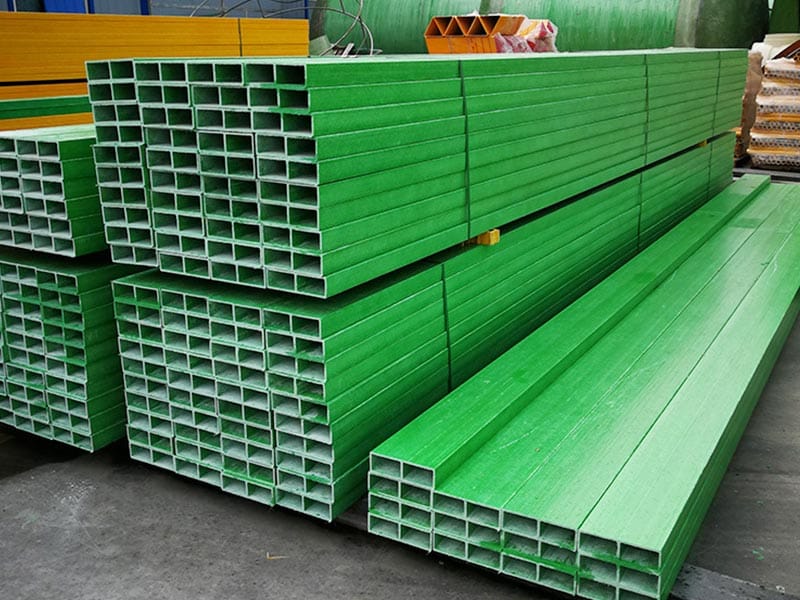
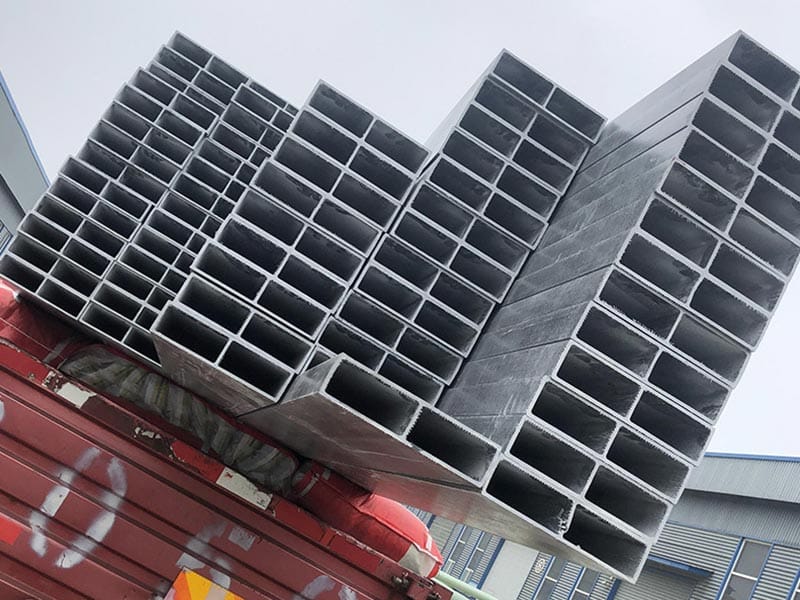
Common FRP roof support options may include channel profiles, rectangular profiles, or customized pultruded shapes. Xinpeng also supplies related FRP pultruded profiles, which can be used for support frames, braces, platforms, and other corrosion-resistant structures.
Resin and Flame-Retardant Requirements
Some projects may require special corrosion resistance, UV resistance, or flame-retardant performance. Buyers should not assume that all FRP purlins are identical. Share the application environment and any project standards early, especially if the building involves chemicals, electrical equipment, or strict fire design requirements. Xinpeng also lists purlin anti-corrosion and flame retardancy solutions for buyers who need both environmental resistance and additional performance discussion.
Installation Details That Affect Performance
Even well-selected roof members can perform poorly if installation details are ignored. Support contact, drilling method, fastener selection, hole spacing, bearing area, and roof sheet connection all matter. Field cutting or drilling should be done with suitable tools, and exposed edges should be handled according to the supplier?? guidance.
Fasteners deserve special attention. In a corrosive building, a corrosion-resistant purlin used with unsuitable fasteners may still create maintenance problems. Buyers should confirm whether stainless steel, coated, or other compatible fasteners are required for the environment. The connection between FRP purlins and roof sheets should also avoid unnecessary stress concentration.
Ventilation and condensation control are also important. If warm, humid air condenses under roof panels, the purlin area may remain wet for long periods. These composite members are selected partly because they handle moisture better than many traditional materials, but good building design still improves service life.
Common Procurement Mistakes
The first mistake is choosing FRP purlins only by dimension. Size matters, but span, load, roof sheet type, resin system, and support design are just as important. A profile that works for one building may not be suitable for another building with a wider span or stronger wind load.
The second mistake is failing to describe the corrosive environment. A supplier cannot recommend the right material if the inquiry only says ??ndustrial building.??Chemical name, vapor type, cleaning method, humidity level, and outdoor exposure can all affect selection.
The third mistake is treating roof purlins separately from the complete FRP structure. In many projects, FRP purlins may work together with fiberglass beams, roof panels, cable supports, grating, guardrails, and customized components. Buyers can also review Xinpeng?? guide to FRP pultruded profiles for industrial structures to understand how different profile shapes are selected for structural applications.
Buyer Checklist Before Requesting a Quote
| Information to Prepare | Why It Matters |
|---|---|
| Building use | Helps identify corrosion, cleaning, and ventilation conditions |
| Span and support spacing | Affects profile selection and deflection control |
| Roof sheet type | Influences connection method and load distribution |
| Chemical or gas exposure | Helps select resin and surface performance |
| Indoor or outdoor use | Affects UV, weather, and fastener decisions |
| Fire or flame-retardant requirement | Needs early confirmation before production |
| Drawings or photos | Reduces misunderstanding and improves quotation accuracy |
| Quantity and delivery plan | Supports production scheduling and packaging planning |
How Xinpeng Supports FRP Purlin Projects
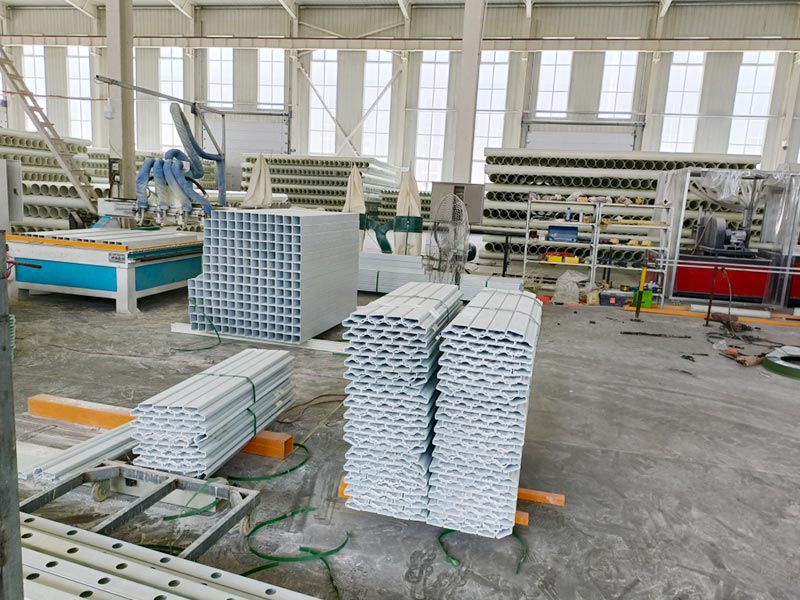
Xinpeng supplies FRP products and environmental equipment for industrial corrosion resistance, wastewater treatment, municipal infrastructure, and structural engineering applications. For roofing and building projects, buyers can source FRP purlins, anti-corrosion purlins, pultruded profiles, brackets, grating, covers, and customized components from one product system.
If your project involves corrosive roofing, chemical plant buildings, wastewater workshops, coastal structures, or agricultural facilities, send drawings, span details, roof sheet information, exposure conditions, and quantity requirements through the contact page. A clearer inquiry allows the team to review whether FRP purlins are suitable and what details should be confirmed before production.
FAQ
What are FRP purlins used for?
FRP purlins are used as roof support members in industrial buildings, chemical plants, wastewater facilities, coastal workshops, agricultural buildings, and other sites where corrosion resistance and lightweight installation are important.
Are FRP purlins better than steel purlins?
FRP purlins are often better in corrosive, wet, coastal, or electrically sensitive environments. Steel purlins may still be preferred for some heavy-duty structural applications, so the final choice should match the project conditions.
Can FRP purlins be used outdoors?
Yes, FRP purlins can be used outdoors when the resin system, UV resistance, fasteners, support design, and installation method are suitable for the local weather and building conditions.
What information should buyers provide?
Buyers should provide drawings, span, support spacing, roof sheet type, building use, chemical exposure, indoor or outdoor conditions, fire requirements, quantity, and delivery expectations.
Conclusion
FRP purlins are not simply a lightweight substitute for steel. They are a practical roofing support option for buildings where corrosion, humidity, chemical vapor, salt air, and maintenance pressure are serious concerns. The best result comes from matching the purlin profile, resin system, support span, fasteners, and roof design to the real project environment.
For buyers planning corrosive roofing or industrial building projects, FRP purlins should be evaluated with clear drawings and site information. When the working conditions are suitable, they can help reduce corrosion-related maintenance and improve long-term roof structure reliability.