A gas collection hood works as part of an air-handling system. Leakage, access hatches, duct takeoffs and condensate paths can matter more than the shell material alone. This guide examines FRP gas collection hood through the decisions that control a real project. Its purpose is to help wastewater designers develop a hood around gas capture, negative pressure, access and condensate control, with emphasis on evidence that can be checked on drawings, submittals and site records.
The search intent is practical: what should be measured, calculated, shown and inspected? “Define the Gas-Capture Objective” is the starting point, followed by the specific interfaces and failure modes implied by the H1.
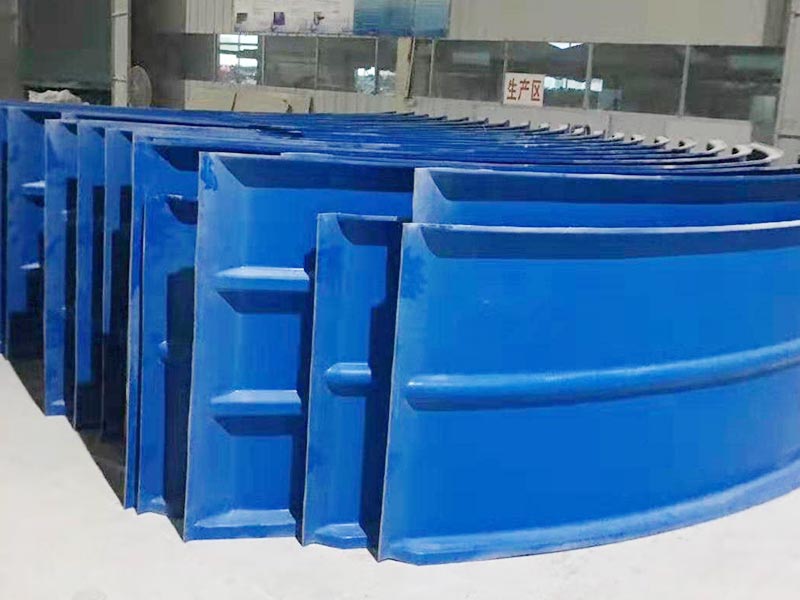
Define the Gas-Capture Objective
Identify odor control, worker exposure, process containment and ventilation goals. Provide expected gas composition and operating scenarios to the system designer. For this topic, make “Define the Gas-Capture Objective” a checked item on the drawing or schedule before fabrication.
Set Airflow and Pressure Assumptions
Coordinate extraction rate, leakage allowance and negative pressure with the odor-control equipment. Excess suction can increase structural demand or draw unwanted air through hatches. The project review should close “Set Airflow and Pressure Assumptions” with measurable acceptance information rather than a general supplier statement.
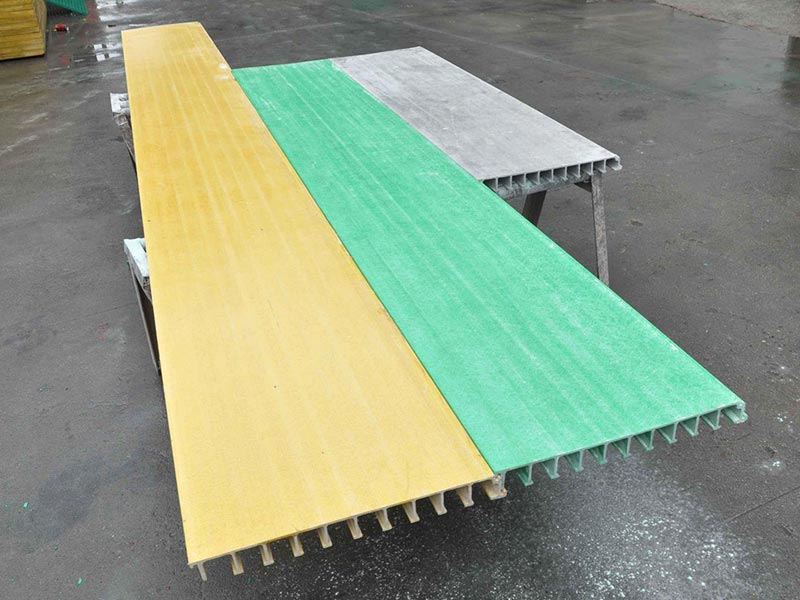
Survey Tank Geometry and Water-Level Range
Record wall shape, bridges, launders, mixers and maximum operating level. Confirm clearances for foam, spray and rotating equipment. Record how the selected system addresses “Survey Tank Geometry and Water-Level Range” so site changes can be compared with the approved basis.
Design Hood Modules and Supports
Divide the cover for fabrication, erection and future removal. Show support reactions and avoid imposing unreviewed loads on tank walls or internal equipment. Assign responsibility for “Design Hood Modules and Supports” in the FRP gas collection hood scope instead of leaving the interface between trades undefined.
FRP Gas Collection Hood decision table
| Project decision | Evidence to request | Risk if unresolved |
|---|---|---|
| Define the Gas-Capture Objective | Identify odor control, worker exposure, process containment and ventilation goals | wrong load transfer or restricted maintenance access |
| Set Airflow and Pressure Assumptions | Coordinate extraction rate, leakage allowance and negative pressure with the… | field drilling, local stress or a delayed inspection |
| Survey Tank Geometry and Water-Level Range | Record wall shape, bridges, launders, mixers and maximum operating level | a nominal product match that has never been checked for the site |
| Design Hood Modules and Supports | Divide the cover for fabrication, erection and future removal | supplier proposals based on incompatible scope assumptions |
Locate Hatches Around Real Maintenance Tasks
Size and position openings for sampling, inspection, lifting and component removal. Hardware should remain operable in the expected corrosive atmosphere. Use “Locate Hatches Around Real Maintenance Tasks” as a FRP gas collection hood hold point when later work would conceal the condition or make correction difficult.
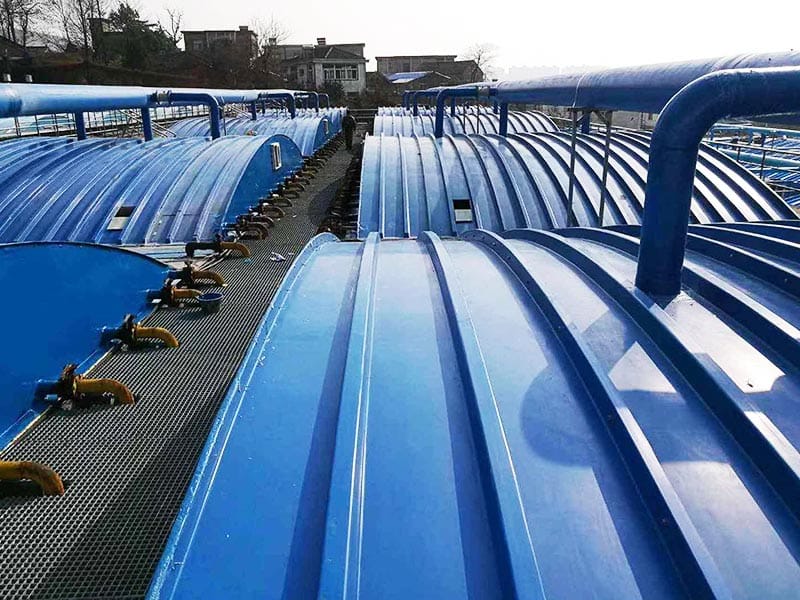
Coordinate Duct Connections and Condensate
Provide flexible or detailed interfaces where movement occurs. Slope duct and hood features so condensate does not pool or drain into unintended areas. Link the FRP gas collection hood decision on “Coordinate Duct Connections and Condensate” to the relevant dimension, calculation assumption or inspection record.
Specify Seals for Corrosive Gas Service
Review gaskets, sealants and fasteners separately from the hood laminate. Define how seals can be inspected and replaced without dismantling large areas. For this topic, make “Specify Seals for Corrosive Gas Service” a checked item on the drawing or schedule before fabrication.
Commission the Complete Collection System
Verify hatch closure, visible leakage points, airflow balance, duct drainage and access. Record operating settings that maintenance teams can compare later. The project review should close “Commission the Complete Collection System” with measurable acceptance information rather than a general supplier statement.
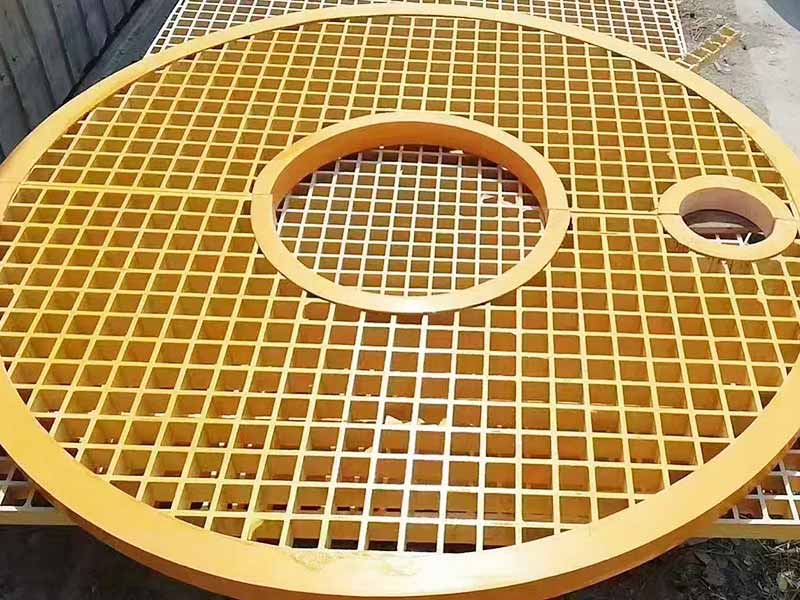
Documenting FRP Gas Collection Hood decisions
A procurement package for FRP gas collection hood should make the design basis behind “Commission the Complete Collection System” reviewable. The exact submittals depend on scope, but the owner should be able to identify what was selected, why it was selected and how the installed work was accepted. Avoid asking for unrelated certificates simply to make the package look complete.
- A dimensioned layout showing the orientation and interfaces of FRP gas collection hood.
- The stated loads, exposure conditions and operating assumptions used for FRP gas collection hood.
- Product data and material descriptions that correspond to the offered configuration.
- Connection, foundation, support or installation details within the supplier’s scope.
- Inspection, test, handling and maintenance information relevant to the finished work.
FRP Gas Collection Hood: standards and design responsibility
Requirements for “Set Airflow and Pressure Assumptions” vary by location, facility and duty. A project review may draw on US EPA wastewater resources, OSHA hazardous materials, ASTM standards catalog and ISO standards. These links provide authoritative starting points; the responsible professional must decide what applies to FRP gas collection hood and use the current edition required by the project.
Five practical questions about FRP gas collection hood
Why should a team address define the gas-capture objective for FRP gas collection hood?
Identify odor control, worker exposure, process containment and ventilation goals. Provide expected gas composition and operating scenarios to the system designer. In a FRP gas collection hood project, the answer should be recorded in a drawing, calculation, approved submittal or inspection note appropriate to the decision. If the necessary site information is unavailable, state the assumption and identify who must close it before work proceeds.
How should a designer address set airflow and pressure assumptions for FRP gas collection hood?
Coordinate extraction rate, leakage allowance and negative pressure with the odor-control equipment. Excess suction can increase structural demand or draw unwanted air through hatches. In a FRP gas collection hood project, the answer should be recorded in a drawing, calculation, approved submittal or inspection note appropriate to the decision. If the necessary site information is unavailable, state the assumption and identify who must close it before work proceeds.
When should a contractor address survey tank geometry and water-level range for FRP gas collection hood?
Record wall shape, bridges, launders, mixers and maximum operating level. Confirm clearances for foam, spray and rotating equipment. In a FRP gas collection hood project, the answer should be recorded in a drawing, calculation, approved submittal or inspection note appropriate to the decision. If the necessary site information is unavailable, state the assumption and identify who must close it before work proceeds.
What evidence helps a buyer address design hood modules and supports for FRP gas collection hood?
Divide the cover for fabrication, erection and future removal. Show support reactions and avoid imposing unreviewed loads on tank walls or internal equipment. In a FRP gas collection hood project, the answer should be recorded in a drawing, calculation, approved submittal or inspection note appropriate to the decision. If the necessary site information is unavailable, state the assumption and identify who must close it before work proceeds.
How can an owner address locate hatches around real maintenance tasks for FRP gas collection hood?
Size and position openings for sampling, inspection, lifting and component removal. Hardware should remain operable in the expected corrosive atmosphere. In a FRP gas collection hood project, the answer should be recorded in a drawing, calculation, approved submittal or inspection note appropriate to the decision. If the necessary site information is unavailable, state the assumption and identify who must close it before work proceeds.
FRP Gas Collection Hood decision record and handover
A strong FRP gas collection hood article should connect “Define the Gas-Capture Objective” to a better project brief, and a strong project brief should lead to evidence. Record the selected configuration, controlling loads or operating conditions, exposure, interfaces, installation limits and acceptance checks. That record is more valuable than a broad claim that one material or product is suitable for every site.
Review the FRP Gas Collection Hood product information, browse the FRP product range, compare this topic with the related guide How to Specify an FRP Arched Cover for Treatment Tanks, and read why FRP is used in demanding environments. To discuss drawings or service conditions for FRP gas collection hood, contact the XPFRP project team.