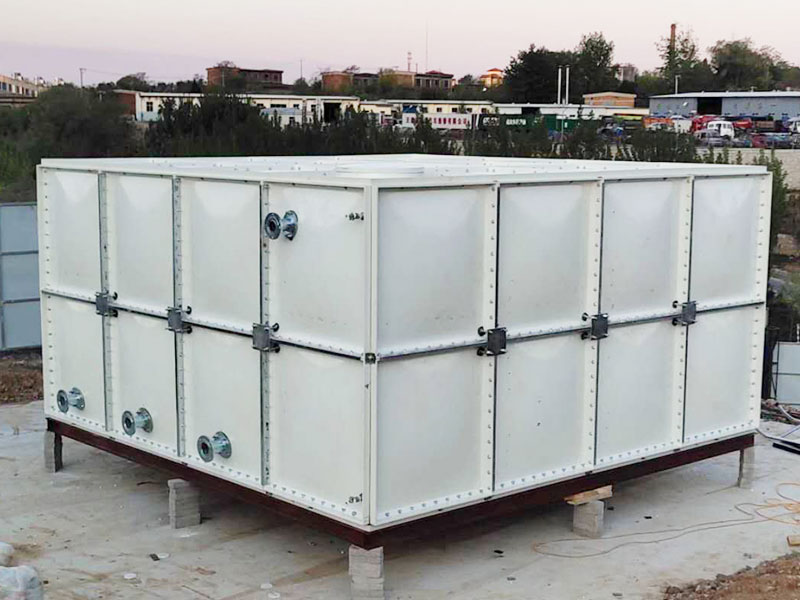
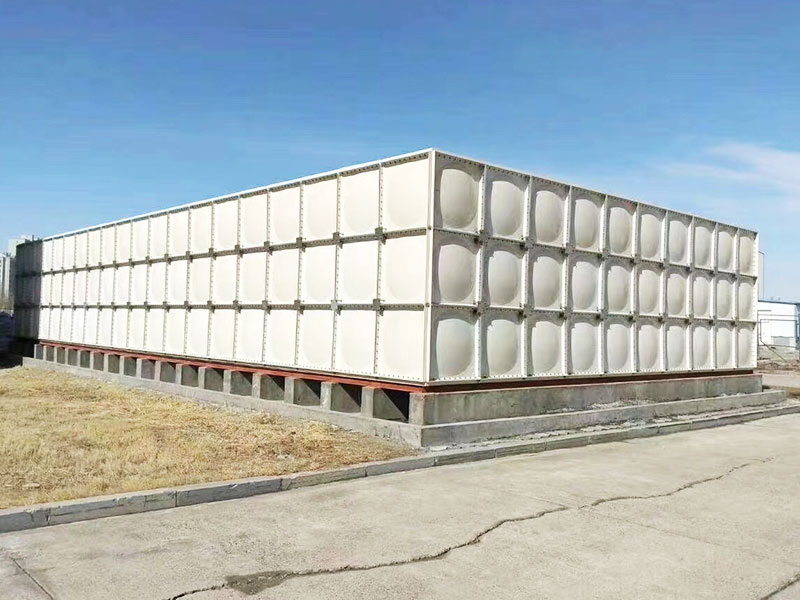
Sectional FRP tanks depend on uniform support. Small steps, settlement or poorly placed beams can distort panels and seals after the tank is filled. This article treats FRP water tank foundation as part of an operating system rather than an isolated material. The goal is to help civil and tank teams prepare a flat, stable and drainable base from actual tank reactions and connect each recommendation to a practical project action.
The central problem is not whether FRP has useful properties; it is whether this configuration fits the loads, environment and work sequence. That is why “Obtain Tank Reactions and Support Requirements” leads the article.
Obtain Tank Reactions and Support Requirements
Use the selected tank arrangement, water depth and panel support scheme. Do not design the foundation from overall dimensions alone. For this topic, make “Obtain Tank Reactions and Support Requirements” a checked item on the drawing or schedule before fabrication.
Investigate Soil and Settlement Risk
Review bearing capacity, fill history, groundwater and differential settlement. The foundation must maintain alignment throughout operation. The FRP water tank foundation review should close “Investigate Soil and Settlement Risk” with measurable acceptance information rather than a general supplier statement.
Set Flatness and Level Tolerances
Agree measurable acceptance criteria with the tank supplier. Survey the finished support before delivery and correct deviations using an approved method. Record how FRP water tank foundation addresses “Set Flatness and Level Tolerances” so site changes can be compared with the approved basis.
Choose Between Slab, Beams and Elevated Support
Match support type to tank bottom layout, access and site conditions. Beam spacing must correspond to the tank’s load-bearing lines. Assign responsibility for “Choose Between Slab, Beams and Elevated Support” in the FRP water tank foundation scope instead of leaving the interface between trades undefined.
FRP Molded Water Tank decision table
| Project decision | Evidence to request | Risk if unresolved |
|---|---|---|
| Obtain Tank Reactions and Support Requirements | Use the selected tank arrangement, water depth and panel support scheme | a catalog assumption being used in place of the installed condition |
| Investigate Soil and Settlement Risk | Review bearing capacity, fill history, groundwater and differential settlement | attention being diverted from the variables that control performance |
| Set Flatness and Level Tolerances | Agree measurable acceptance criteria with the tank supplier | a material preference without a buildable detail |
| Choose Between Slab, Beams and Elevated Support | Match support type to tank bottom layout, access and site conditions | an unreviewed change when service conditions are revised |
Provide Drainage Around the Base
Slope surrounding surfaces away without compromising the tank support plane. Keep standing water from concealing leaks or degrading access. Use “Provide Drainage Around the Base” as a FRP water tank foundation hold point when later work would conceal the condition or make correction difficult.
Coordinate Anchors and Embedded Items
Confirm anchor pattern, edge distances and templates before concrete placement. Avoid clashes with reinforcement and below-grade services. Link the FRP water tank foundation decision on “Coordinate Anchors and Embedded Items” to the relevant dimension, calculation assumption or inspection record.
Preserve Inspection and Pipe Access
Allow room to inspect lower panels, drains and connections. Support connected pipework independently where required to limit nozzle loads. For FRP water tank foundation, make “Preserve Inspection and Pipe Access” a checked item on the drawing or schedule before fabrication.
Issue a Foundation Acceptance Record
Document survey points, dimensions, concrete or support status, anchors, drainage and repairs. Obtain acceptance before tank assembly begins. The FRP water tank foundation review should close “Issue a Foundation Acceptance Record” with measurable acceptance information rather than a general supplier statement.
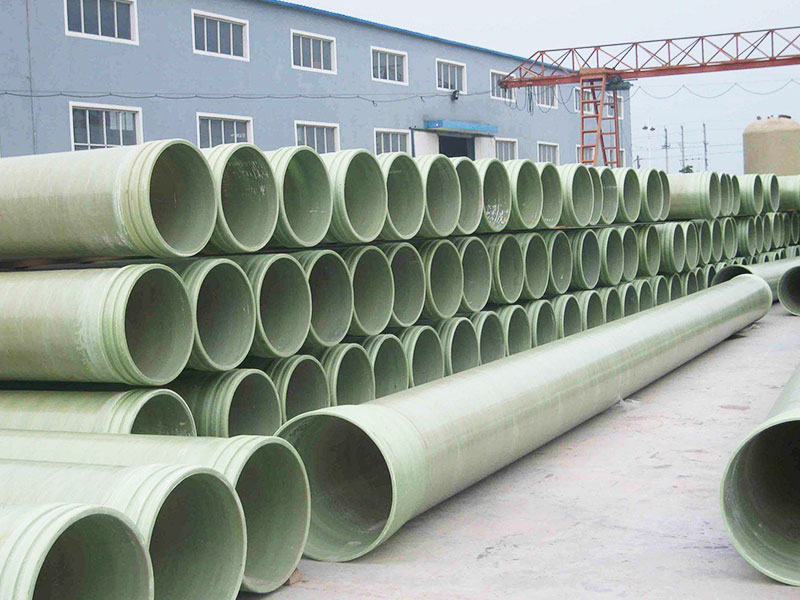
Documenting FRP Molded Water Tank decisions
A procurement package for FRP water tank foundation should make the design basis behind “Issue a Foundation Acceptance Record” reviewable. The exact submittals depend on scope, but the owner should be able to identify what was selected, why it was selected and how the installed work was accepted. Avoid asking for unrelated certificates simply to make the package look complete.
- A dimensioned layout showing the orientation and interfaces of FRP water tank foundation.
- The stated loads, exposure conditions and operating assumptions used for FRP water tank foundation.
- Product data and material descriptions that correspond to the offered configuration.
- Connection, foundation, support or installation details within the supplier’s scope.
- Inspection, test, handling and maintenance information relevant to the finished work.
FRP Molded Water Tank: standards and design responsibility
Requirements for “Investigate Soil and Settlement Risk” vary by location, facility and duty. A project review may draw on ASCE structural standards, ASTM D3917, ASTM D638 and OSHA walking-working surfaces. These links provide authoritative starting points; the responsible professional must decide what applies to FRP water tank foundation and use the current edition required by the project.
Five practical questions about FRP water tank foundation
Why should a team address obtain tank reactions and support requirements for FRP water tank foundation?
Use the selected tank arrangement, water depth and panel support scheme. Do not design the foundation from overall dimensions alone. In a FRP water tank foundation project, the answer should be recorded in a drawing, calculation, approved submittal or inspection note appropriate to the decision. If the necessary site information is unavailable, state the assumption and identify who must close it before work proceeds.
How should a designer address investigate soil and settlement risk for FRP water tank foundation?
Review bearing capacity, fill history, groundwater and differential settlement. The foundation must maintain alignment throughout operation. In a FRP water tank foundation project, the answer should be recorded in a drawing, calculation, approved submittal or inspection note appropriate to the decision. If the necessary site information is unavailable, state the assumption and identify who must close it before work proceeds.
When should a contractor address set flatness and level tolerances for FRP water tank foundation?
Agree measurable acceptance criteria with the tank supplier. Survey the finished support before delivery and correct deviations using an approved method. In a FRP water tank foundation project, the answer should be recorded in a drawing, calculation, approved submittal or inspection note appropriate to the decision. If the necessary site information is unavailable, state the assumption and identify who must close it before work proceeds.
What evidence helps a buyer address choose between slab, beams and elevated support for FRP water tank foundation?
Match support type to tank bottom layout, access and site conditions. Beam spacing must correspond to the tank’s load-bearing lines. In a FRP water tank foundation project, the answer should be recorded in a drawing, calculation, approved submittal or inspection note appropriate to the decision. If the necessary site information is unavailable, state the assumption and identify who must close it before work proceeds.
How can an owner address provide drainage around the base for FRP water tank foundation?
Slope surrounding surfaces away without compromising the tank support plane. Keep standing water from concealing leaks or degrading access. In a FRP water tank foundation project, the answer should be recorded in a drawing, calculation, approved submittal or inspection note appropriate to the decision. If the necessary site information is unavailable, state the assumption and identify who must close it before work proceeds.
FRP Molded Water Tank decision record and handover
A strong FRP water tank foundation article should connect “Obtain Tank Reactions and Support Requirements” to a better project brief, and a strong project brief should lead to evidence. Record the selected configuration, controlling loads or operating conditions, exposure, interfaces, installation limits and acceptance checks. That record is more valuable than a broad claim that one material or product is suitable for every site.
Review the FRP Molded Water Tank product information, browse the FRP product range, compare this topic with the related guide FRP Water Tank Installation Checklist for Project Teams, and read why FRP is used in demanding environments. To discuss drawings or service conditions for FRP water tank foundation, contact the XPFRP project team.