Fiberglass Pultruded Structural Profiles decisions become easier when the inquiry starts with the interface or operating problem the project actually needs to solve. This guide focuses on resin and fiber evidence for buyers. It is written for buyers, designers and site teams considering FRP products. Separate longitudinal properties from transverse properties before comparing structural profiles. The objective is to turn that concern into clear drawings, evidence requests and acceptance decisions before the order becomes difficult to change.
For this fiberglass pultruded structural profiles review, use the following four questions as a starting brief. They identify the information that deserves attention before price, color or a catalog photograph becomes the main selection criterion. The guidance describes a decision process; it does not assign a load rating, service life, certification or guaranteed cost saving to an unspecified product.
Fiberglass Pultruded Structural Profiles: four decisions to resolve first
1. Separate longitudinal properties from transverse properties before comparing structural profiles.
2. Request the resin family, veil specification and cure-control records for the actual production route.
3. Match test coupons to the same reinforcement architecture and nominal wall thickness as the order.
4. Keep chemical exposure and temperature on the inquiry so a generic material data sheet cannot replace a project review.
Define the component and its duty for fiberglass pultruded structural profiles
The starting point for fiberglass pultruded structural profiles is the duty and the geometry the project will actually use. Pultruded members contain reinforcement arranged for a particular section and production process. Longitudinal stiffness, transverse response and local bearing behavior therefore need separate consideration. A profile that performs well as a simply supported member may behave differently when drilled, clamped or loaded through one flange. Start the review with an annotated section and show the direction of each important force. This gives the supplier a meaningful basis for explaining its data and avoids the common mistake of treating the composite as a metal with a lower density.
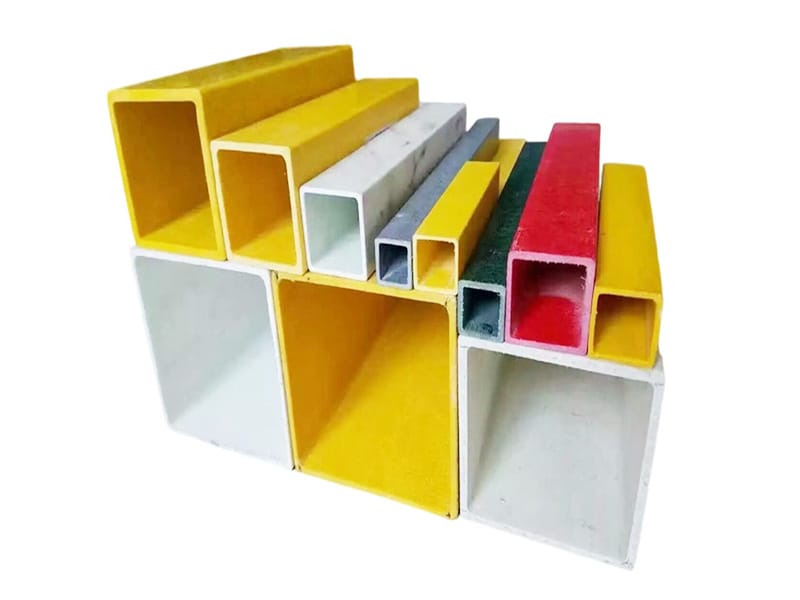
Profile-family traceability. Use a distinct code for each section, resin and machining combination. A family photograph can illustrate available shapes but does not identify the structural properties of every member shown.
Match the material to the exposure
For fiberglass pultruded structural profiles, the material recommendation should be attached to defined conditions. Resin selection should follow the real exposure: continuous immersion, occasional splash, outdoor weathering and cleaning may require different evidence. The reinforcement carries much of the structural demand, while resin and surface protection help maintain the intended composite behavior. A change in resin, veil or fiber arrangement is consequently a specification change, even when the finished part looks identical. Ask what evidence applies to the offered formulation, what temperature range was considered and whether cut or machined surfaces require a particular finishing procedure.
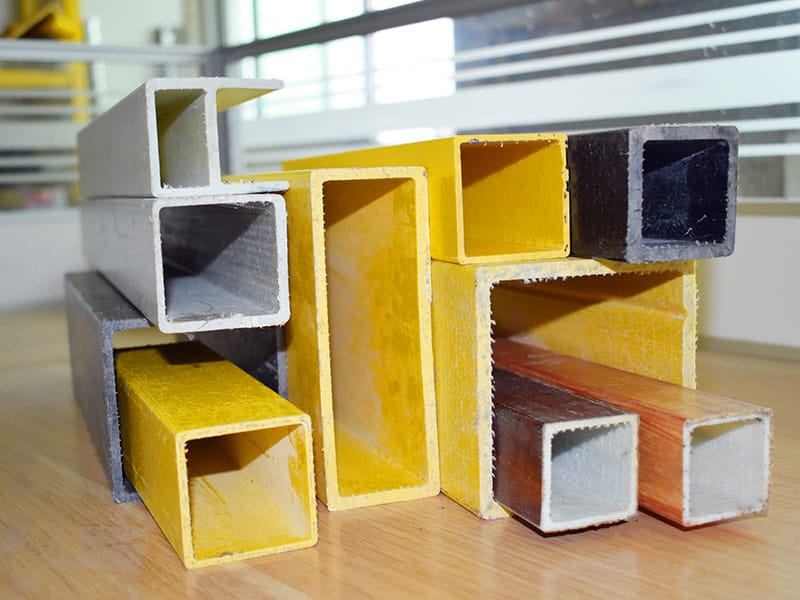
Ask for evidence that fits the application for fiberglass pultruded structural profiles
Treat fiberglass pultruded structural profiles evidence as conditional on the configuration it describes. A useful technical submission connects the section drawing to its material declaration, test basis and intended design assumptions. Values from an unidentified coupon are difficult to use because the loading direction, conditioning and laminate may not match the actual member. Ask whether quoted properties are measured averages, declared characteristic values or design values after applicable adjustments. Keep short-term tests separate from sustained-load and environmental considerations. The project designer can then evaluate the correct failure and serviceability modes without relying on a catalog's largest headline number.
Write an exposure schedule that can be reviewed
Describe normal service, cleaning, shutdown and credible upset conditions separately. For fiberglass pultruded structural profiles, a phrase such as harsh environment leaves too much room for interpretation. List the relevant chemicals or media, temperature range, duration of contact and whether exposure is liquid, vapor, splash or weather. Include surrounding hardware and surfaces that may have different exposures. This schedule is the basis for a meaningful supplier recommendation. Keep unknown values visible and assign them to the process or site team instead of substituting a convenient assumption that later appears to be a confirmed operating condition.
Review the weakest material interface
The main composite part may receive the most attention while its seals, adhesives, fasteners or printed surface are overlooked. Identify every interface that can limit the intended duty. Ask whether the proposed cleaning or maintenance procedure remains compatible with those components. In a fiberglass pultruded structural profiles project, this review is especially useful where two suppliers divide the scope. Record who approves the combined arrangement and how substitutions are controlled. A chemically suitable panel or member does not guarantee that a different gasket, connector or surface coating will remain suitable beside it.
Compare the available decision paths for fiberglass pultruded structural profiles
| Decision path | Useful when | Evidence needed before release |
|---|---|---|
| Use a standard configuration | The proposed geometry and service remain within the documented offering. | A matching drawing, material specification and supported application boundary. |
| Adapt the configuration | An interface or operating requirement differs from the standard offering. | An approved change detail and assessment of the affected material, connection or system behavior. |
| Hold the decision for more information | A critical input is absent or two documents contradict each other. | A named owner for the missing input and a resolved revision before manufacture or installation. |
Apply this comparison to fiberglass pultruded structural profiles using the actual project brief. In particular, request the resin family, veil specification and cure-control records for the actual production route. A standard product can be the right choice when its evidence covers the requirement; a custom option needs a clear reason and a controlled change, rather than an assumption that customization automatically improves performance.
A practical fiberglass pultruded structural profiles review before purchase
The first comparison sheet should have separate columns for longitudinal modulus, transverse response and the conditions attached to each value. If two profiles have identical outer dimensions but one report covers only a different wall construction, leave the comparison unresolved. Ask the supplier to identify the representative construction before using the value in a structural calculation.
The same meeting should close the remaining question: keep chemical exposure and temperature on the inquiry so a generic material data sheet cannot replace a project review. Put the accepted answer on the controlled drawing or purchase specification and identify the reviewer. If the answer changes the arrangement, update the quotation and inspection scope together. This keeps the fiberglass pultruded structural profiles decision connected to the product that will actually be supplied and gives the installer a record to follow when a site condition differs from the original plan.
Prepare the fiberglass pultruded structural profiles inquiry
For a fiberglass pultruded structural profiles inquiry, send the current drawing, quantities, dimensions, intended service, location constraints and required documents to Xinpeng. Identify resin and fiber evidence for buyers as the main review objective, and flag any unresolved input. Ask for a written response describing the offered construction, interfaces and exclusions. This is more useful than requesting a generic best price because it allows the proposed solution and the commercial scope to be reviewed together.
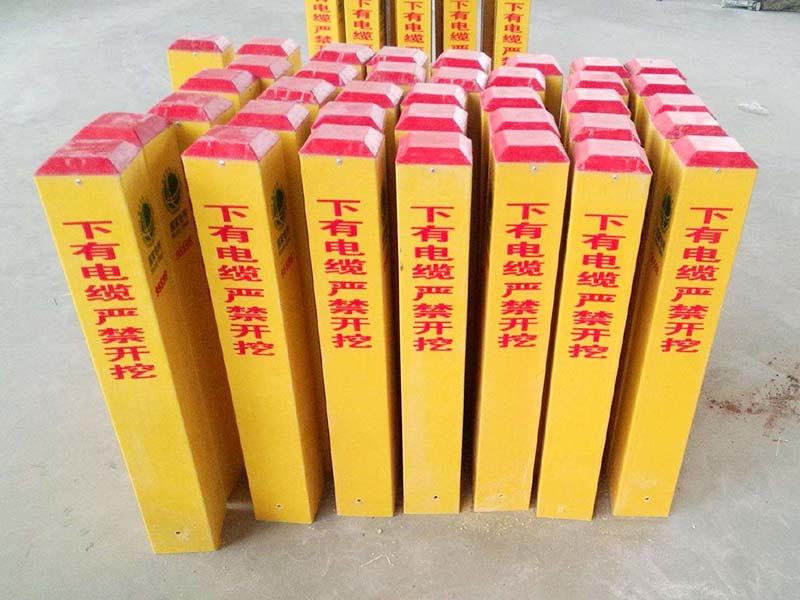
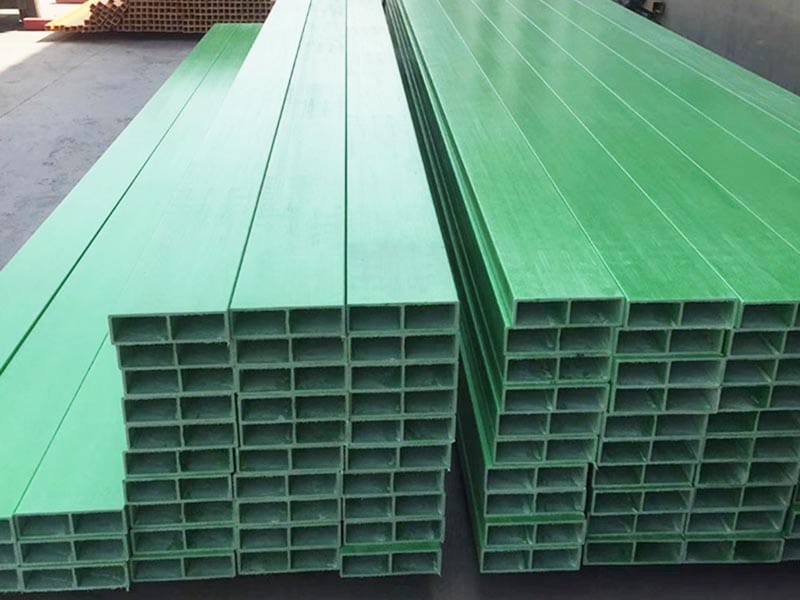
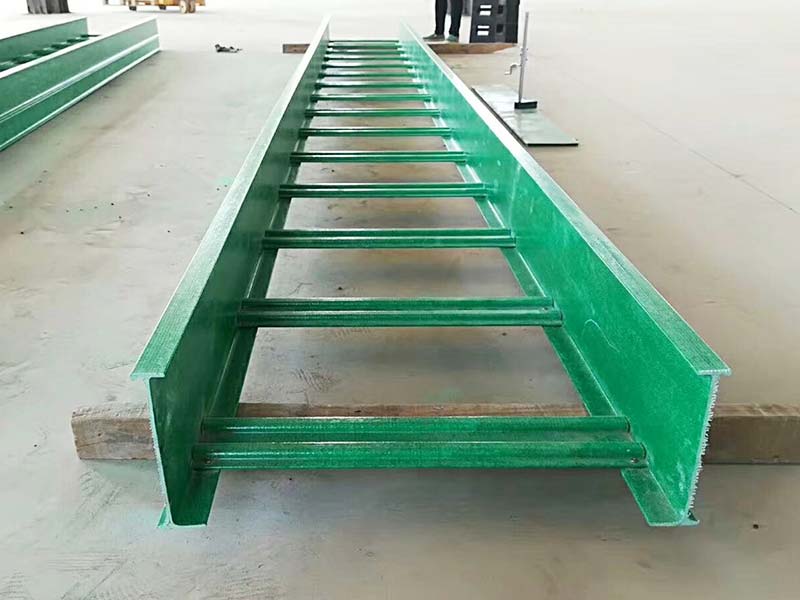
Explore the FRP Pultruded Profiles product page and the FRP Pultruded Profiles range, or send your project details to Xinpeng. Product photographs illustrate appearance and typical forms; dimensions, ratings and supplied features must follow the confirmed quotation and drawing.
Further reading: Composites UK: joining guidance. Use this independent resource within its stated scope and jurisdiction. It is background guidance, not evidence that a particular Xinpeng product has a certification or approval. The project team should confirm the applicable requirements for the installation and review the actual product documentation.
Frequently asked questions
What should I clarify first about fiberglass pultruded structural profiles?
Separate longitudinal properties from transverse properties before comparing structural profiles. For fiberglass pultruded structural profiles, put the corresponding input on a drawing or written service schedule so the supplier can respond to a defined requirement. Identify who confirms that input and keep it separate from any provisional assumption in the quote.
Can I compare fiberglass pultruded structural profiles using only the catalog description?
A catalog description is a starting point for a fiberglass pultruded structural profiles inquiry, but it does not define every interface or operating condition. Request the resin family, veil specification and cure-control records for the actual production route. Request the offered construction and supporting evidence in writing, and check that the quotation includes the components needed to achieve the intended project function.
Which detail is easily missed in a fiberglass pultruded structural profiles order?
Match test coupons to the same reinforcement architecture and nominal wall thickness as the order. Keep this issue visible in the fiberglass pultruded structural profiles review rather than leaving it as an informal site decision. Where the answer changes geometry, load transfer or operating conditions, obtain an approved revision before manufacture or installation.
What belongs in the fiberglass pultruded structural profiles acceptance record?
The fiberglass pultruded structural profiles record should identify the accepted drawing, material or component requirements, inspection evidence and remaining limitations. Keep chemical exposure and temperature on the inquiry so a generic material data sheet cannot replace a project review. Keep deviations and their approval with the final documents so replacement orders and future modifications use the same agreed basis.
How can Xinpeng assess my fiberglass pultruded structural profiles inquiry?
Send the product duty, quantities, drawings, exposure conditions and the specific questions discussed in this guide. For fiberglass pultruded structural profiles, identify any required testing or certification without assuming it is already included. Xinpeng can then be asked to confirm the proposed supply scope, available documentation, customization options and quotation basis for your project.