Custom FRP Covers decisions become easier when the inquiry starts with the interface or operating problem the project actually needs to solve. This guide focuses on custom tank geometry and cover segments. It is written for buyers, designers and site teams considering FRP products. Survey the actual tank perimeter rather than relying only on an old civil drawing. The objective is to turn that concern into clear drawings, evidence requests and acceptance decisions before the order becomes difficult to change.
For this custom frp covers review, use the following four questions as a starting brief. They identify the information that deserves attention before price, color or a catalog photograph becomes the main selection criterion. The guidance describes a decision process; it does not assign a load rating, service life, certification or guaranteed cost saving to an unspecified product.
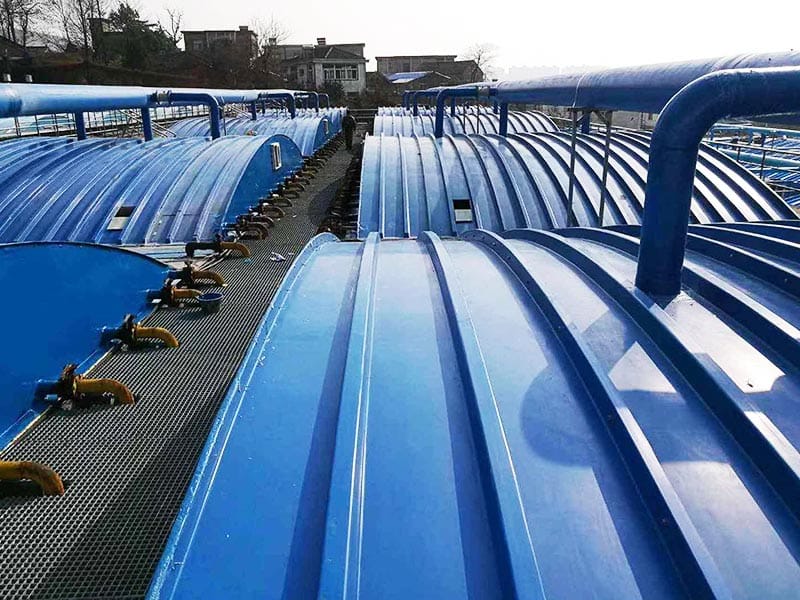
Custom FRP Covers: four decisions to resolve first
1. Survey the actual tank perimeter rather than relying only on an old civil drawing.
2. Divide the cover into segments that can be transported and removed with the available equipment.
3. Locate penetrations where sealing details remain accessible from a safe working position.
4. Approve segment numbering, flange interfaces and support levels before mold or cutting work begins.
Match the material to the exposure
For custom frp covers, the material recommendation should be attached to defined conditions. Wastewater cover exposure can include moist gas above the liquid, condensate on the underside, splashes and cleaning chemicals on top. These conditions may differ from continuous immersion in the bulk liquid. Supply the chemical and temperature information to the material reviewer, including expected upset or cleaning conditions. Seals, fasteners and any bonded surfaces also require compatibility review. If odor collection is part of the project, define the extraction arrangement and operating pressure range rather than asking the panel supplier to infer the complete process design.
Control fabrication and installation
The accepted custom frp covers arrangement must remain identifiable through fabrication and site work. Plan installation and future removal using the actual segment size, weight and available lifting space. Place temporary protection around openings and follow the site's access and isolation procedures. Check supports and rim levels before bringing a cover panel into position, because forcing a panel down with its hold-down bolts can damage the joint or create uneven bearing. Number removable segments and record their orientation. This makes later replacement more controlled and reduces the temptation to swap similar-looking panels into incompatible openings.
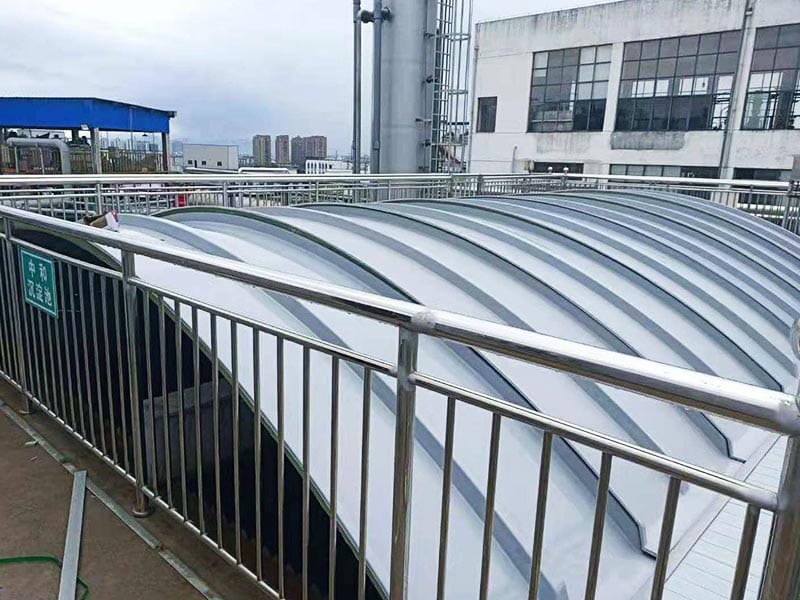
Ask for evidence that fits the application for custom frp covers
Treat custom frp covers evidence as conditional on the configuration it describes. Review load and containment evidence separately. A load test may support the stated structural duty without demonstrating leakage control, while a leak check does not establish pedestrian or vehicle capacity. Ask what supports, fasteners, seals and openings were present in the assessed assembly. Verify that the supplied arrangement falls within that evidence. Any test procedure for the installed system should be prepared for its actual operating conditions; the design should not require maintenance teams to improvise pressure or loading tests on a completed plant.
Qualify the proposed manufacturing scope
Clarify what the supplier manufactures, machines, assembles and purchases from others. A factory visit or photograph provides context but does not establish every capability needed for custom frp covers. Ask how the proposed order moves through drawing approval, material identification, production and inspection. Identify outsourced components that require their own traceability. Focus the review on the actual specification and volume rather than collecting a large set of unrelated certificates. The aim is a credible production route for the agreed product, including the interfaces that tend to be lost between organizations.
Create a practical inspection and document plan
Specify the records needed at each meaningful stage, such as material receipt, a first production check, completion of critical fabrication and final packing. Keep the plan proportional to the product and its duty. For custom frp covers, identify inspection points that will be hidden or costly to revisit later. Agree how nonconforming items are marked and segregated and who can approve a deviation. The final document list should be explicit enough that procurement can check completeness without deciding technical questions that belong to the designer or specialist reviewer.
Compare the available decision paths for custom frp covers
| Decision path | Useful when | Evidence needed before release |
|---|---|---|
| Use a standard configuration | The proposed geometry and service remain within the documented offering. | A matching drawing, material specification and supported application boundary. |
| Adapt the configuration | An interface or operating requirement differs from the standard offering. | An approved change detail and assessment of the affected material, connection or system behavior. |
| Hold the decision for more information | A critical input is absent or two documents contradict each other. | A named owner for the missing input and a resolved revision before manufacture or installation. |
Apply this comparison to custom frp covers using the actual project brief. In particular, divide the cover into segments that can be transported and removed with the available equipment. A standard product can be the right choice when its evidence covers the requirement; a custom option needs a clear reason and a controlled change, rather than an assumption that customization automatically improves performance.
A practical custom frp covers review before purchase
For an existing treatment tank, compare the old drawing with surveyed rim dimensions at several locations. Segment joints should fit the actual support perimeter and permit removal of the planned maintenance section. If the survey differs, resolve the segment layout before fabrication. Do not distribute an unexplained mismatch across every flange during site assembly.
The same meeting should close the remaining question: approve segment numbering, flange interfaces and support levels before mold or cutting work begins. Put the accepted answer on the controlled drawing or purchase specification and identify the reviewer. If the answer changes the arrangement, update the quotation and inspection scope together. This keeps the custom frp covers decision connected to the product that will actually be supplied and gives the installer a record to follow when a site condition differs from the original plan.
Prepare the custom frp covers inquiry
For a custom frp covers inquiry, send the current drawing, quantities, dimensions, intended service, location constraints and required documents to Xinpeng. Identify custom tank geometry and cover segments as the main review objective, and flag any unresolved input. Ask for a written response describing the offered construction, interfaces and exclusions. This is more useful than requesting a generic best price because it allows the proposed solution and the commercial scope to be reviewed together.
Explore the FRP Sewage Tank Cover product page and the FRP Sewage Tank Covers range, or send your project details to Xinpeng. Product photographs illustrate appearance and typical forms; dimensions, ratings and supplied features must follow the confirmed quotation and drawing.
Further reading: Composites UK: composite design resources. Use this independent resource within its stated scope and jurisdiction. It is background guidance, not evidence that a particular Xinpeng product has a certification or approval. The project team should confirm the applicable requirements for the installation and review the actual product documentation.
Frequently asked questions
What should I clarify first about custom frp covers?
Survey the actual tank perimeter rather than relying only on an old civil drawing. For custom frp covers, put the corresponding input on a drawing or written service schedule so the supplier can respond to a defined requirement. Identify who confirms that input and keep it separate from any provisional assumption in the quote.
Can I compare custom frp covers using only the catalog description?
A catalog description is a starting point for a custom frp covers inquiry, but it does not define every interface or operating condition. Divide the cover into segments that can be transported and removed with the available equipment. Request the offered construction and supporting evidence in writing, and check that the quotation includes the components needed to achieve the intended project function.
Which detail is easily missed in a custom frp covers order?
Locate penetrations where sealing details remain accessible from a safe working position. Keep this issue visible in the custom frp covers review rather than leaving it as an informal site decision. Where the answer changes geometry, load transfer or operating conditions, obtain an approved revision before manufacture or installation.
What belongs in the custom frp covers acceptance record?
The custom frp covers record should identify the accepted drawing, material or component requirements, inspection evidence and remaining limitations. Approve segment numbering, flange interfaces and support levels before mold or cutting work begins. Keep deviations and their approval with the final documents so replacement orders and future modifications use the same agreed basis.
How can Xinpeng assess my custom frp covers inquiry?
Send the product duty, quantities, drawings, exposure conditions and the specific questions discussed in this guide. For custom frp covers, identify any required testing or certification without assuming it is already included. Xinpeng can then be asked to confirm the proposed supply scope, available documentation, customization options and quotation basis for your project.