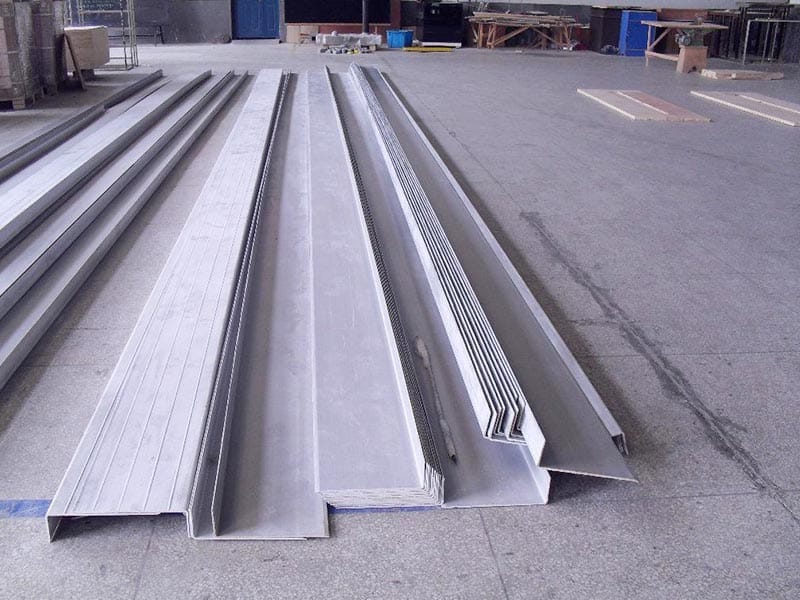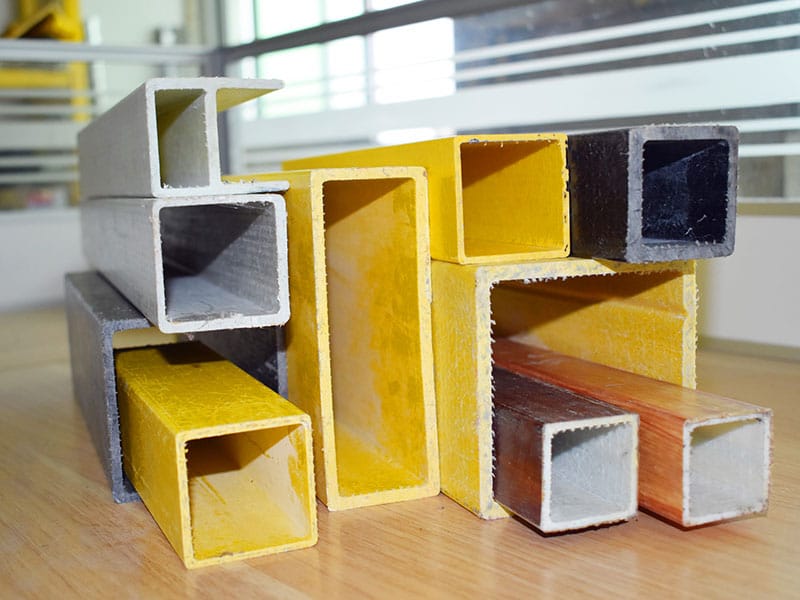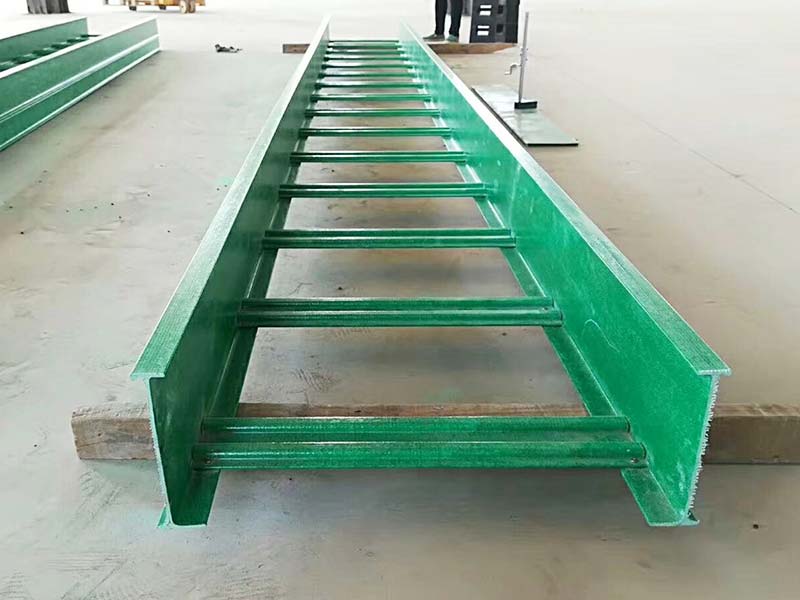
A channel is convenient at edges and against walls, but its open section does not behave like a closed tube or a symmetric I beam when loads miss the shear center. This article treats FRP channel beam as part of an operating system rather than an isolated material. The goal is to help designers decide when an open FRP channel is appropriate and control torsion, eccentricity and flange direction and connect each recommendation to a practical project action.
The central problem is not whether FRP has useful properties; it is whether this configuration fits the loads, environment and work sequence. That is why “Decide Whether a Channel Suits the Load Path” leads the article.
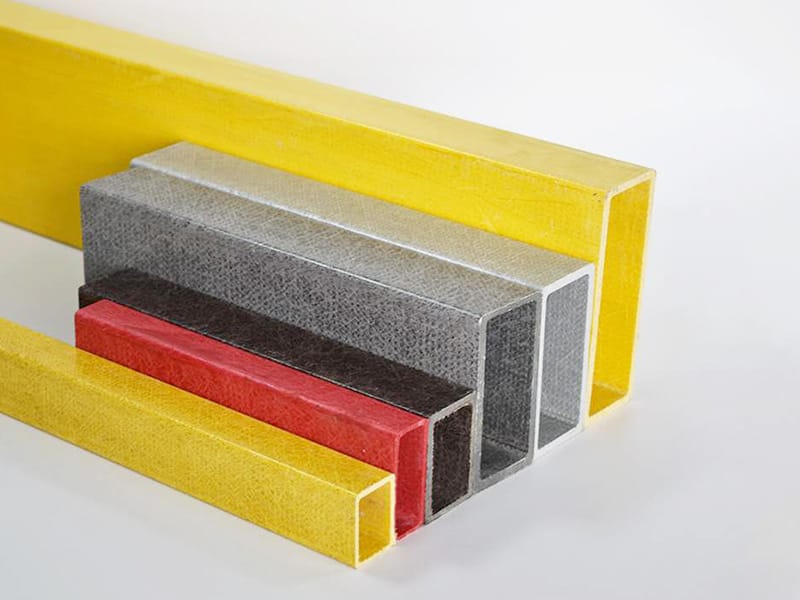
Decide Whether a Channel Suits the Load Path
Use channels where access to one face or a flat attachment surface is valuable. Reconsider the section when large eccentric loads or weak-axis bending dominate the member. For this topic, make “Decide Whether a Channel Suits the Load Path” a checked item on the drawing or schedule before fabrication.
Show Flange Direction on Every Relevant View
Inward- and outward-facing flanges change access, bearing and attachment geometry. A section name alone is not enough information for fabrication or installation. The project review should close “Show Flange Direction on Every Relevant View” with measurable acceptance information rather than a general supplier statement.
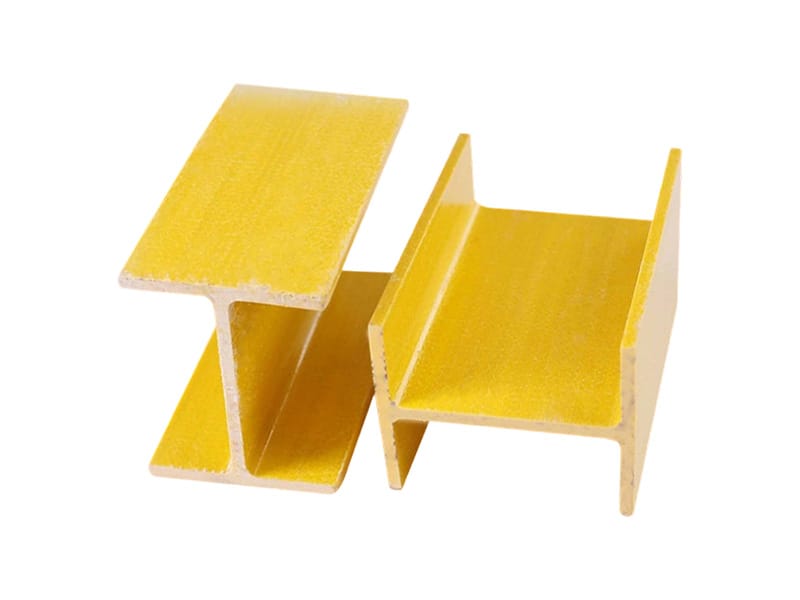
Account for Torsion From Eccentric Loads
Wall brackets, edge grating and offset equipment can twist an open section. Locate the applied load relative to the section and provide restraint rather than checking vertical bending only. Record how FRP channel beam addresses “Account for Torsion From Eccentric Loads” so site changes can be compared with the approved basis.
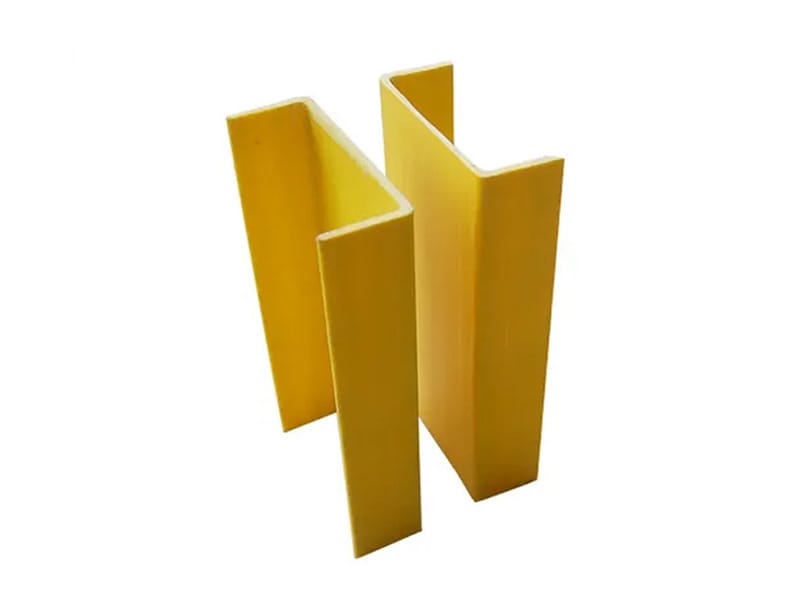
Use Back-to-Back Channels Deliberately
Paired channels can improve symmetry and create connection space, but separators and bolts must make them work as intended. State whether the pair is structural or merely arranged side by side. Assign responsibility for “Use Back-to-Back Channels Deliberately” in the FRP channel beam scope instead of leaving the interface between trades undefined.
FRP Channel Beam decision table
| Project decision | Evidence to request | Risk if unresolved |
|---|---|---|
| Decide Whether a Channel Suits the Load Path | Use channels where access to one face or a flat attachment surface is valuable | a nominal product match that has never been checked for the site |
| Show Flange Direction on Every Relevant View | Inward- and outward-facing flanges change access, bearing and attachment geometry | supplier proposals based on incompatible scope assumptions |
| Account for Torsion From Eccentric Loads | Wall brackets, edge grating and offset equipment can twist an open section | a decision that cannot be traced back to the recorded site condition |
| Use Back-to-Back Channels Deliberately | Paired channels can improve symmetry and create connection space, but separators and… | one trade solving its own issue by creating a conflict for another |
Check Flange and Web Bearing at Attachments
Narrow contact areas can cause local deformation around supports and fasteners. Detail plates, washers or continuous bearing where the calculated reaction requires distribution. Use “Check Flange and Web Bearing at Attachments” as a FRP channel beam hold point when later work would conceal the condition or make correction difficult.
Coordinate Wall and Skid Connections
Verify anchor access, substrate condition, stand-off dimensions and drainage behind wall-mounted channels. For skids, check that cross members deliver load without unwanted twist. Link the FRP channel beam decision on “Coordinate Wall and Skid Connections” to the relevant dimension, calculation assumption or inspection record.
Protect Field-Cut Edges and Drilled Holes
Specify permitted field work, dust control and sealing or coating requirements. Unplanned slots and enlarged holes can undermine a carefully reviewed connection. For this topic, make “Protect Field-Cut Edges and Drilled Holes” a checked item on the drawing or schedule before fabrication.
Make Orientation Obvious in the Shop Package
Use section symbols, elevations and member marks that cannot be read two ways. Include hole-face references and datums for repeated channel assemblies. The project review should close “Make Orientation Obvious in the Shop Package” with measurable acceptance information rather than a general supplier statement.
Documenting FRP Channel Beam decisions
A procurement package for FRP channel beam should make the design basis behind “Make Orientation Obvious in the Shop Package” reviewable. The exact submittals depend on scope, but the owner should be able to identify what was selected, why it was selected and how the installed work was accepted. Avoid asking for unrelated certificates simply to make the package look complete.
- A dimensioned layout showing the orientation and interfaces of FRP channel beam.
- The stated loads, exposure conditions and operating assumptions used for FRP channel beam.
- Product data and material descriptions that correspond to the offered configuration.
- Connection, foundation, support or installation details within the supplier’s scope.
- Inspection, test, handling and maintenance information relevant to the finished work.
FRP Channel Beam: standards and design responsibility
Requirements for “Show Flange Direction on Every Relevant View” vary by location, facility and duty. A project review may draw on ASCE structural standards, ASTM D3917, ASTM D638 and OSHA walking-working surfaces. These links provide authoritative starting points; the responsible professional must decide what applies to FRP channel beam and use the current edition required by the project.
Five practical questions about FRP channel beam
Why should a team address decide whether a channel suits the load path for FRP channel beam?
Use channels where access to one face or a flat attachment surface is valuable. Reconsider the section when large eccentric loads or weak-axis bending dominate the member. In a FRP channel beam project, the answer should be recorded in a drawing, calculation, approved submittal or inspection note appropriate to the decision. If the necessary site information is unavailable, state the assumption and identify who must close it before work proceeds.
How should a designer address show flange direction on every relevant view for FRP channel beam?
Inward- and outward-facing flanges change access, bearing and attachment geometry. A section name alone is not enough information for fabrication or installation. In a FRP channel beam project, the answer should be recorded in a drawing, calculation, approved submittal or inspection note appropriate to the decision. If the necessary site information is unavailable, state the assumption and identify who must close it before work proceeds.
When should a contractor address account for torsion from eccentric loads for FRP channel beam?
Wall brackets, edge grating and offset equipment can twist an open section. Locate the applied load relative to the section and provide restraint rather than checking vertical bending only. In a FRP channel beam project, the answer should be recorded in a drawing, calculation, approved submittal or inspection note appropriate to the decision. If the necessary site information is unavailable, state the assumption and identify who must close it before work proceeds.
What evidence helps a buyer address use back-to-back channels deliberately for FRP channel beam?
Paired channels can improve symmetry and create connection space, but separators and bolts must make them work as intended. State whether the pair is structural or merely arranged side by side. In a FRP channel beam project, the answer should be recorded in a drawing, calculation, approved submittal or inspection note appropriate to the decision. If the necessary site information is unavailable, state the assumption and identify who must close it before work proceeds.
How can an owner address check flange and web bearing at attachments for FRP channel beam?
Narrow contact areas can cause local deformation around supports and fasteners. Detail plates, washers or continuous bearing where the calculated reaction requires distribution. In a FRP channel beam project, the answer should be recorded in a drawing, calculation, approved submittal or inspection note appropriate to the decision. If the necessary site information is unavailable, state the assumption and identify who must close it before work proceeds.
FRP Channel Beam decision record and handover
A strong FRP channel beam article should connect “Decide Whether a Channel Suits the Load Path” to a better project brief, and a strong project brief should lead to evidence. Record the selected configuration, controlling loads or operating conditions, exposure, interfaces, installation limits and acceptance checks. That record is more valuable than a broad claim that one material or product is suitable for every site.
Review the FRP Channel Beam product information, browse the FRP product range, compare this topic with the related guide How to Plan an FRP Guardrail System for Industrial Sites, and read why FRP is used in demanding environments. To discuss drawings or service conditions for FRP channel beam, contact the XPFRP project team.