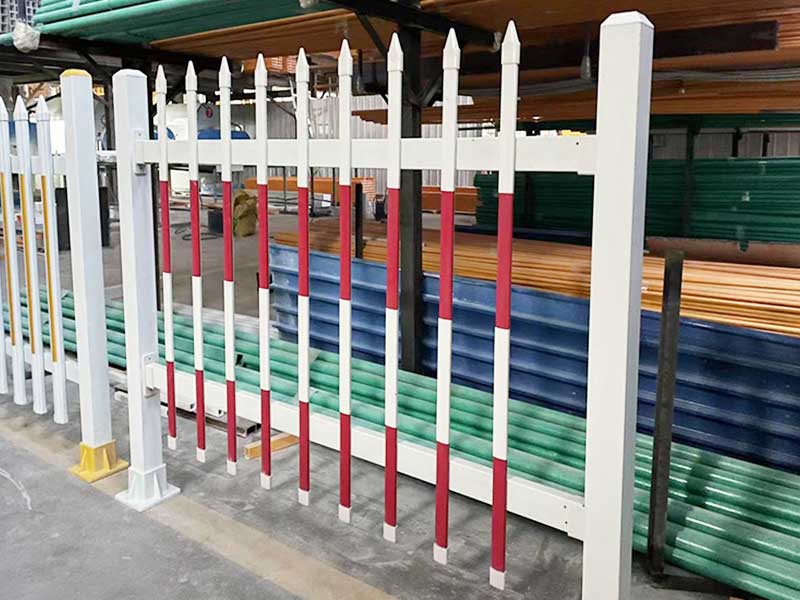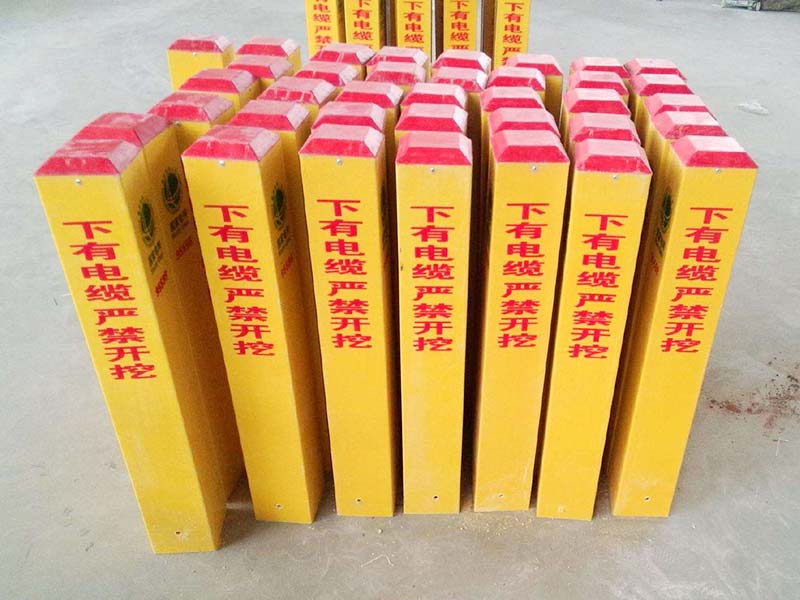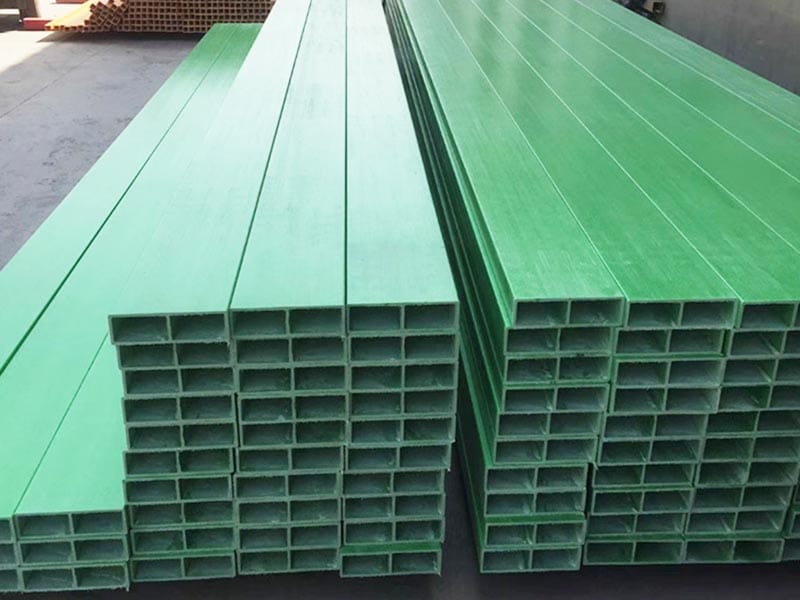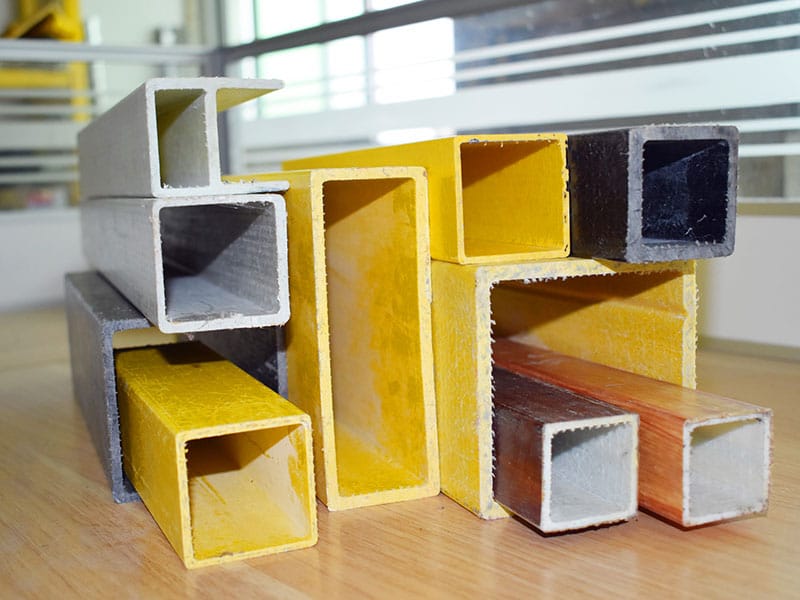
A nonmetallic fence can support electrical risk control, but it cannot compensate for inadequate equipment clearances, poor gate hardware or an unreviewed grounding strategy. The value of a FRP electrical insulation fence guide lies in resolving the details that a catalog cannot know about the site. Here, the focus is to help substation teams specify a nonconductive fence while preserving electrical clearances, security and safe access using information a buyer or engineer can verify.
The intended outcome is a clearer scope for FRP electrical insulation fence: defined inputs, coordinated details and evidence for acceptance. The first decision is “Start With the Substation Hazard and Clearance Study,” not a generic comparison of materials.
Start With the Substation Hazard and Clearance Study
Locate energized equipment, operating zones, approach boundaries and future expansion. The fence alignment must be reviewed by the electrical designer rather than set only by the property boundary. For this topic, make “Start With the Substation Hazard and Clearance Study” a checked item on the drawing or schedule before fabrication.
Define What Must Be Nonconductive
Separate requirements for posts, rails, panels, gates, hinges, locks and fasteners. Small metallic components and connected services can change the electrical behavior of the complete assembly. The project review should close “Define What Must Be Nonconductive” with measurable acceptance information rather than a general supplier statement.

Coordinate Grounding and Bonding Interfaces
Do not assume that using FRP eliminates grounding questions. Have the responsible electrical engineer review adjacent metalwork, gate hardware, cable routes and lightning protection. Record how the selected system addresses “Coordinate Grounding and Bonding Interfaces” so site changes can be compared with the approved basis.
Provide Security Without Blocking Observation
Balance climb resistance and opening size with the need to see equipment condition, smoke or unauthorized activity. Consider how cameras, lighting and warning signs interact with the fence. Assign responsibility for “Provide Security Without Blocking Observation” in the FRP electrical insulation fence scope instead of leaving the interface between trades undefined.
FRP Electrical Insulation Fence decision table
| Project decision | Evidence to request | Risk if unresolved |
|---|---|---|
| Start With the Substation Hazard and Clearance Study | Locate energized equipment, operating zones, approach boundaries and future expansion | a decision that cannot be traced back to the recorded site condition |
| Define What Must Be Nonconductive | Separate requirements for posts, rails, panels, gates, hinges, locks and fasteners | one trade solving its own issue by creating a conflict for another |
| Coordinate Grounding and Bonding Interfaces | Do not assume that using FRP eliminates grounding questions | a small detailing error repeated across every unit |
| Provide Security Without Blocking Observation | Balance climb resistance and opening size with the need to see equipment condition,… | missing baseline information for later inspection and replacement |
Detail Gates for Controlled Electrical Access
Set gate width, swing, interlocks or locks, emergency access and vehicle clearances. Keep hardware operable with protective equipment and under the site’s access procedure. Use “Detail Gates for Controlled Electrical Access” as a FRP electrical insulation fence hold point when later work would conceal the condition or make correction difficult.
Check Fire, Heat and Arc-Event Context
Locate the fence relative to equipment vents and credible thermal hazards. Material selection and separation should follow the project’s fire and electrical risk assessment. Link the FRP electrical insulation fence decision on “Check Fire, Heat and Arc-Event Context” to the relevant dimension, calculation assumption or inspection record.
Use Foundations That Maintain Clearance Geometry
Post movement can reduce designed clearances and make gates bind. Check soil, drainage, frost or settlement conditions and protect foundations from vehicle impact. For this topic, make “Use Foundations That Maintain Clearance Geometry” a checked item on the drawing or schedule before fabrication.
Build an Electrical-Safety Handover Record
Record materials, metallic components, final offsets, gate operation, signage and inspection results. Retain drawings that show the installed fence relative to electrical equipment. The project review should close “Build an Electrical-Safety Handover Record” with measurable acceptance information rather than a general supplier statement.
Documenting FRP Electrical Insulation Fence decisions
A procurement package for FRP electrical insulation fence should make the design basis behind “Build an Electrical-Safety Handover Record” reviewable. The exact submittals depend on scope, but the owner should be able to identify what was selected, why it was selected and how the installed work was accepted. Avoid asking for unrelated certificates simply to make the package look complete.
- A dimensioned layout showing the orientation and interfaces of FRP electrical insulation fence.
- The stated loads, exposure conditions and operating assumptions used for FRP electrical insulation fence.
- Product data and material descriptions that correspond to the offered configuration.
- Connection, foundation, support or installation details within the supplier’s scope.
- Inspection, test, handling and maintenance information relevant to the finished work.
FRP Electrical Insulation Fence: standards and design responsibility
Requirements for “Define What Must Be Nonconductive” vary by location, facility and duty. A project review may draw on OSHA walking-working surfaces, OSHA fall protection, OSHA electrical safety and NIST engineering resources. These links provide authoritative starting points; the responsible professional must decide what applies to FRP electrical insulation fence and use the current edition required by the project.
Five practical questions about FRP electrical insulation fence
Why should a team address start with the substation hazard and clearance study for FRP electrical insulation fence?
Locate energized equipment, operating zones, approach boundaries and future expansion. The fence alignment must be reviewed by the electrical designer rather than set only by the property boundary. In a FRP electrical insulation fence project, the answer should be recorded in a drawing, calculation, approved submittal or inspection note appropriate to the decision. If the necessary site information is unavailable, state the assumption and identify who must close it before work proceeds.
How should a designer address define what must be nonconductive for FRP electrical insulation fence?
Separate requirements for posts, rails, panels, gates, hinges, locks and fasteners. Small metallic components and connected services can change the electrical behavior of the complete assembly. In a FRP electrical insulation fence project, the answer should be recorded in a drawing, calculation, approved submittal or inspection note appropriate to the decision. If the necessary site information is unavailable, state the assumption and identify who must close it before work proceeds.
When should a contractor address coordinate grounding and bonding interfaces for FRP electrical insulation fence?
Do not assume that using FRP eliminates grounding questions. Have the responsible electrical engineer review adjacent metalwork, gate hardware, cable routes and lightning protection. In a FRP electrical insulation fence project, the answer should be recorded in a drawing, calculation, approved submittal or inspection note appropriate to the decision. If the necessary site information is unavailable, state the assumption and identify who must close it before work proceeds.
What evidence helps a buyer address provide security without blocking observation for FRP electrical insulation fence?
Balance climb resistance and opening size with the need to see equipment condition, smoke or unauthorized activity. Consider how cameras, lighting and warning signs interact with the fence. In a FRP electrical insulation fence project, the answer should be recorded in a drawing, calculation, approved submittal or inspection note appropriate to the decision. If the necessary site information is unavailable, state the assumption and identify who must close it before work proceeds.
How can an owner address detail gates for controlled electrical access for FRP electrical insulation fence?
Set gate width, swing, interlocks or locks, emergency access and vehicle clearances. Keep hardware operable with protective equipment and under the site’s access procedure. In a FRP electrical insulation fence project, the answer should be recorded in a drawing, calculation, approved submittal or inspection note appropriate to the decision. If the necessary site information is unavailable, state the assumption and identify who must close it before work proceeds.
FRP Electrical Insulation Fence decision record and handover
A strong FRP electrical insulation fence article should connect “Start With the Substation Hazard and Clearance Study” to a better project brief, and a strong project brief should lead to evidence. Record the selected configuration, controlling loads or operating conditions, exposure, interfaces, installation limits and acceptance checks. That record is more valuable than a broad claim that one material or product is suitable for every site.
Review the FRP Electrical Insulation Fence product information, browse the FRP product range, compare this topic with the related guide How to Specify an FRP Transformer Fence and Enclosure, and read why FRP is used in demanding environments. To discuss drawings or service conditions for FRP electrical insulation fence, contact the XPFRP project team.