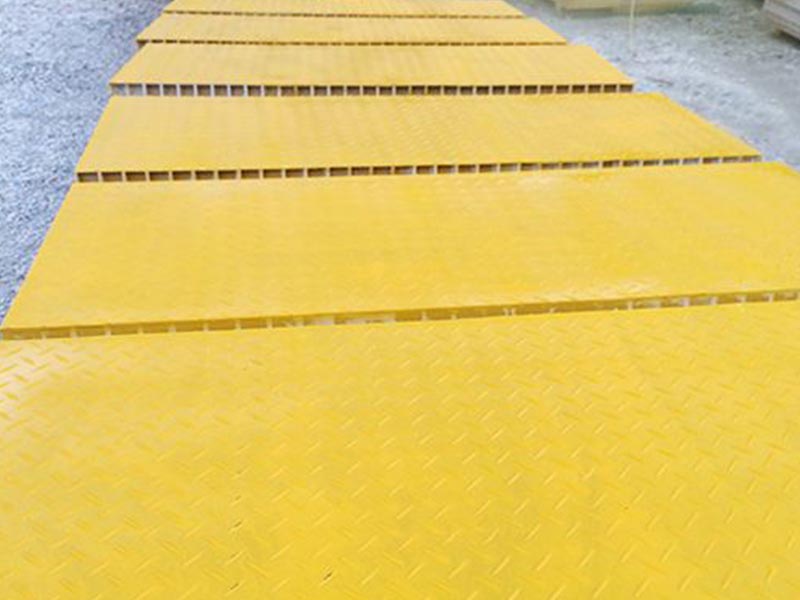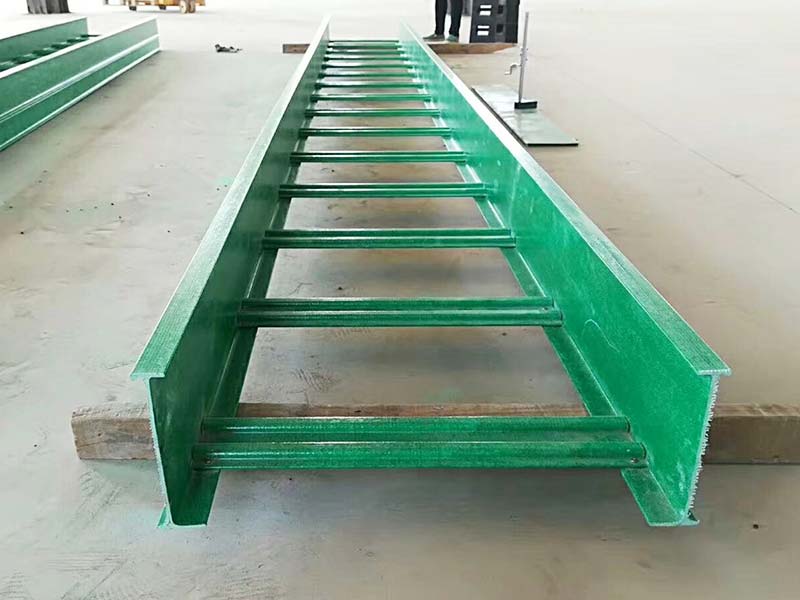
A flat cover that feels rigid in a small sample may deflect noticeably over a pit or sump. Clear span, concentrated load position and edge bearing must be stated explicitly. This article treats FRP flat cover plate as part of an operating system rather than an isolated material. The goal is to help plant teams choose a cover plate for a defined opening, support arrangement and access duty and connect each recommendation to a practical project action.
The central problem is not whether FRP has useful properties; it is whether this configuration fits the loads, environment and work sequence. That is why “Classify the Opening and Access Duty” leads the article.
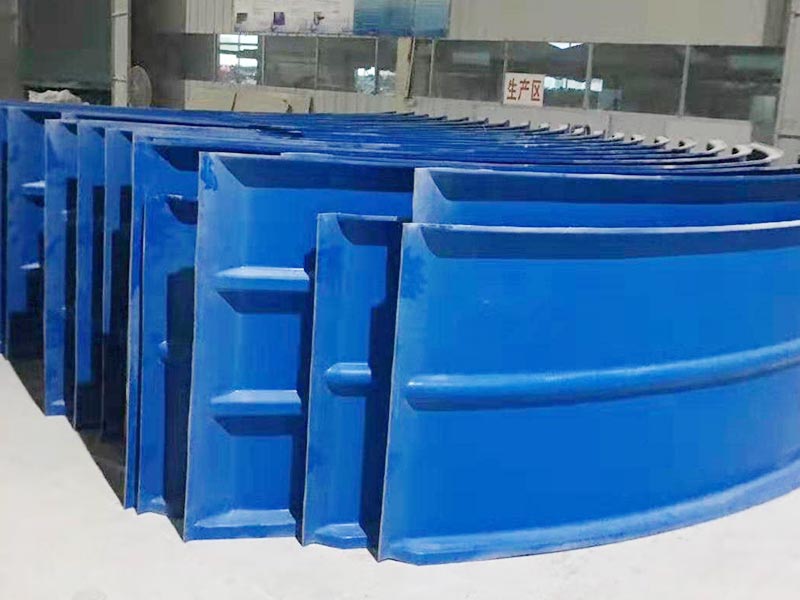
Classify the Opening and Access Duty
State whether the cover is nonwalkable, pedestrian, maintenance-only or subject to wheeled equipment. Control access if the design does not support general traffic. For this topic, make “Classify the Opening and Access Duty” a checked item on the drawing or schedule before fabrication.
Measure Clear Span and Edge Support
Survey the opening at several locations and record ledge width, level and condition. Nominal pit dimensions do not define the actual bearing available. The project review should close “Measure Clear Span and Edge Support” with measurable acceptance information rather than a general supplier statement.
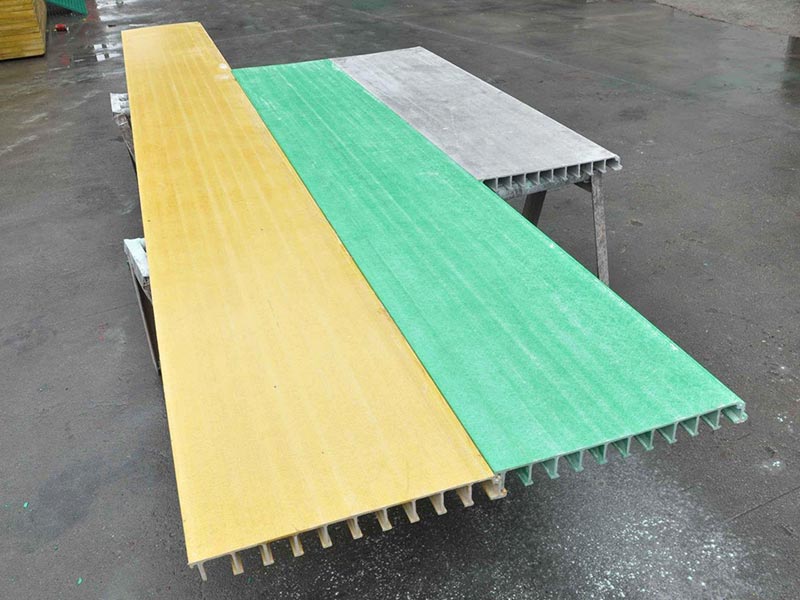
Check Concentrated Loads and Deflection
Place maintenance and wheel loads where they create the most demanding response. Select a serviceability limit that avoids rocking, ponding or uncomfortable movement. Record how the selected system addresses “Check Concentrated Loads and Deflection” so site changes can be compared with the approved basis.
Arrange Panel Joints Over Support
Divide large covers into removable units with joints on verified bearing. Avoid narrow infill pieces and unsupported corners. Assign responsibility for “Arrange Panel Joints Over Support” in the FRP flat cover plate scope instead of leaving the interface between trades undefined.
FRP Flat Cover Plate decision table
| Project decision | Evidence to request | Risk if unresolved |
|---|---|---|
| Classify the Opening and Access Duty | State whether the cover is nonwalkable, pedestrian, maintenance-only or subject to… | a nominal product match that has never been checked for the site |
| Measure Clear Span and Edge Support | Survey the opening at several locations and record ledge width, level and condition | supplier proposals based on incompatible scope assumptions |
| Check Concentrated Loads and Deflection | Place maintenance and wheel loads where they create the most demanding response | a decision that cannot be traced back to the recorded site condition |
| Arrange Panel Joints Over Support | Divide large covers into removable units with joints on verified bearing | one trade solving its own issue by creating a conflict for another |
Design Lifting Points and Manual Handling
Estimate panel weight and required frequency of removal. Provide recessed handles, lifting eyes or mechanical assistance consistent with site procedures. Use “Design Lifting Points and Manual Handling” as a FRP flat cover plate hold point when later work would conceal the condition or make correction difficult.
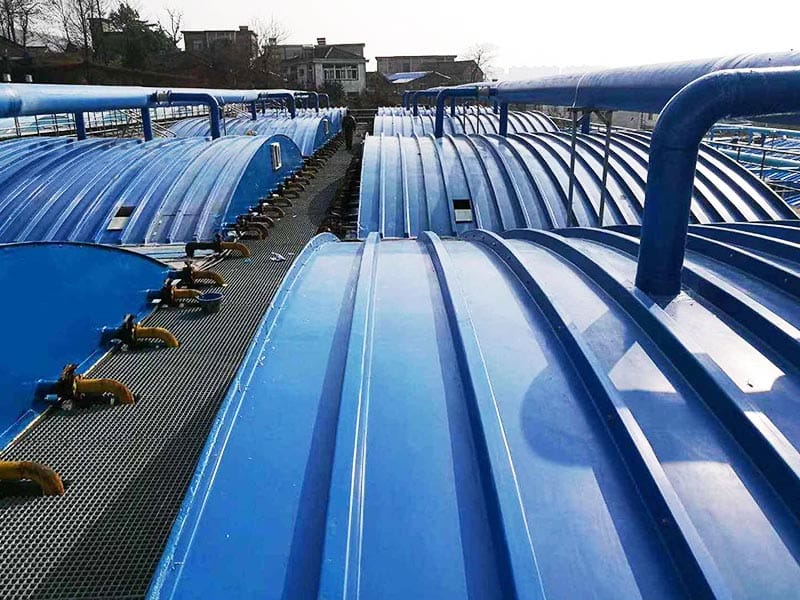
Choose Surface Texture and Drainage
Select traction for wet or contaminated service and prevent ponding. Coordinate covers with surrounding floor slopes and washdown routes. Link the FRP flat cover plate decision on “Choose Surface Texture and Drainage” to the relevant dimension, calculation assumption or inspection record.
Seal Only Where the Process Requires It
Odor or splash containment may require gaskets and joint details, while drainage access may favor open joints. Define the function before specifying sealant. For this topic, make “Seal Only Where the Process Requires It” a checked item on the drawing or schedule before fabrication.
Label Load Limits and Removable Panels
Make restrictions and lifting orientation clear to operators. Keep an as-built panel plan so replacement units can be ordered accurately. The project review should close “Label Load Limits and Removable Panels” with measurable acceptance information rather than a general supplier statement.
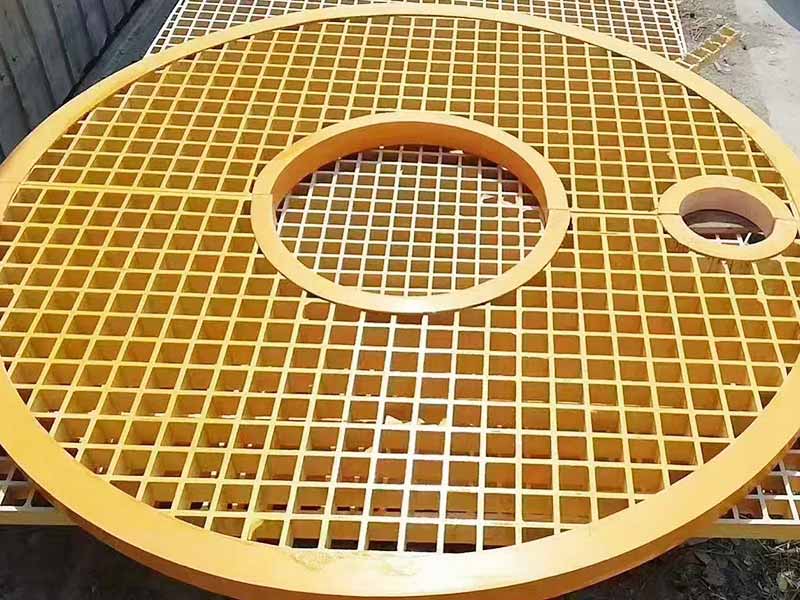
Documenting FRP Flat Cover Plate decisions
A procurement package for FRP flat cover plate should make the design basis behind “Label Load Limits and Removable Panels” reviewable. The exact submittals depend on scope, but the owner should be able to identify what was selected, why it was selected and how the installed work was accepted. Avoid asking for unrelated certificates simply to make the package look complete.
- A dimensioned layout showing the orientation and interfaces of FRP flat cover plate.
- The stated loads, exposure conditions and operating assumptions used for FRP flat cover plate.
- Product data and material descriptions that correspond to the offered configuration.
- Connection, foundation, support or installation details within the supplier’s scope.
- Inspection, test, handling and maintenance information relevant to the finished work.
FRP Flat Cover Plate: standards and design responsibility
Requirements for “Measure Clear Span and Edge Support” vary by location, facility and duty. A project review may draw on ASCE structural standards, ASTM D3917, ASTM D638 and OSHA walking-working surfaces. These links provide authoritative starting points; the responsible professional must decide what applies to FRP flat cover plate and use the current edition required by the project.
Five practical questions about FRP flat cover plate
Why should a team address classify the opening and access duty for FRP flat cover plate?
State whether the cover is nonwalkable, pedestrian, maintenance-only or subject to wheeled equipment. Control access if the design does not support general traffic. In a FRP flat cover plate project, the answer should be recorded in a drawing, calculation, approved submittal or inspection note appropriate to the decision. If the necessary site information is unavailable, state the assumption and identify who must close it before work proceeds.
How should a designer address measure clear span and edge support for FRP flat cover plate?
Survey the opening at several locations and record ledge width, level and condition. Nominal pit dimensions do not define the actual bearing available. In a FRP flat cover plate project, the answer should be recorded in a drawing, calculation, approved submittal or inspection note appropriate to the decision. If the necessary site information is unavailable, state the assumption and identify who must close it before work proceeds.
When should a contractor address check concentrated loads and deflection for FRP flat cover plate?
Place maintenance and wheel loads where they create the most demanding response. Select a serviceability limit that avoids rocking, ponding or uncomfortable movement. In a FRP flat cover plate project, the answer should be recorded in a drawing, calculation, approved submittal or inspection note appropriate to the decision. If the necessary site information is unavailable, state the assumption and identify who must close it before work proceeds.
What evidence helps a buyer address arrange panel joints over support for FRP flat cover plate?
Divide large covers into removable units with joints on verified bearing. Avoid narrow infill pieces and unsupported corners. In a FRP flat cover plate project, the answer should be recorded in a drawing, calculation, approved submittal or inspection note appropriate to the decision. If the necessary site information is unavailable, state the assumption and identify who must close it before work proceeds.
How can an owner address design lifting points and manual handling for FRP flat cover plate?
Estimate panel weight and required frequency of removal. Provide recessed handles, lifting eyes or mechanical assistance consistent with site procedures. In a FRP flat cover plate project, the answer should be recorded in a drawing, calculation, approved submittal or inspection note appropriate to the decision. If the necessary site information is unavailable, state the assumption and identify who must close it before work proceeds.
FRP Flat Cover Plate decision record and handover
A strong FRP flat cover plate article should connect “Classify the Opening and Access Duty” to a better project brief, and a strong project brief should lead to evidence. Record the selected configuration, controlling loads or operating conditions, exposure, interfaces, installation limits and acceptance checks. That record is more valuable than a broad claim that one material or product is suitable for every site.
Review the FRP Flat Cover Plate product information, browse the FRP product range, compare this topic with the related guide FRP Cable Tray Support Spacing and Layout Guide, and read why FRP is used in demanding environments. To discuss drawings or service conditions for FRP flat cover plate, contact the XPFRP project team.