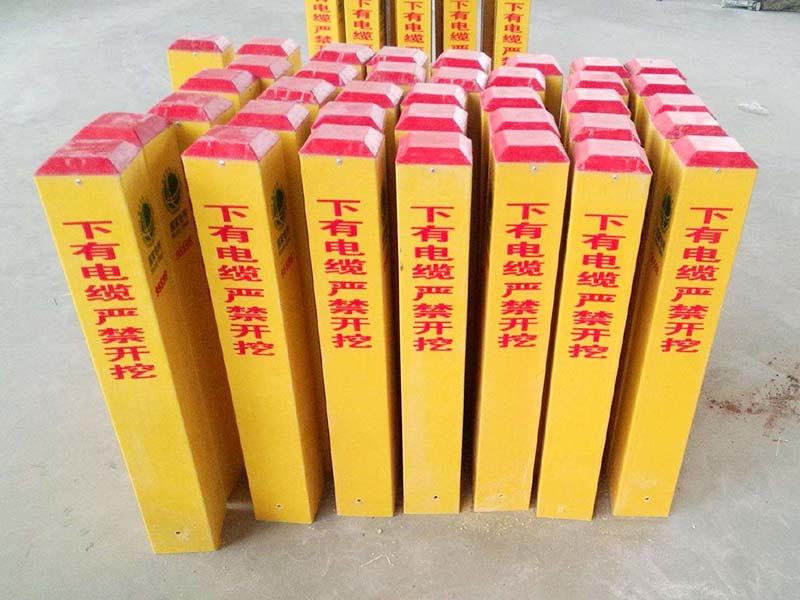
A visible marker is not proof of an exact buried-utility location. The installation must communicate route information without encouraging unsafe assumptions. For FRP marker post installation, the useful questions begin after the product name has been chosen. The discussion below is structured to help utility owners install durable route markers that remain traceable to accurate as-built records and to show where apparently small assumptions change the result.
A reader searching for FRP marker post installation is likely preparing a drawing, enquiry, method statement or maintenance plan. The sequence begins with “Start With Verified Route Information” and moves toward a reviewable handover record.
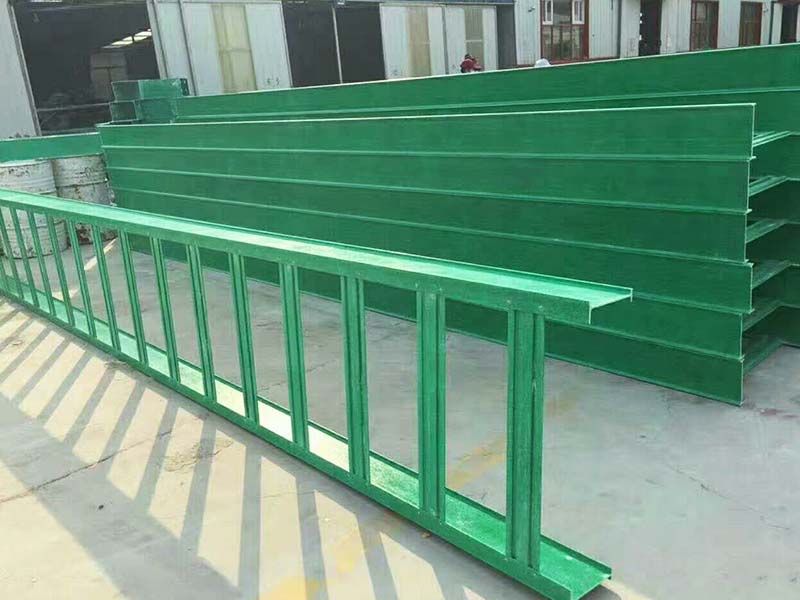
Start With Verified Route Information
Use approved survey and utility records, and follow local locating procedures. Resolve discrepancies before setting marker positions. Assign responsibility for “Start With Verified Route Information” in the FRP marker post installation scope instead of leaving the interface between trades undefined.
Choose On-Line or Offset Placement
Select the convention that protects the marker and accurately communicates the asset. State offsets clearly on labels and as-built drawings. Use “Choose On-Line or Offset Placement” as a FRP marker post installation hold point when later work would conceal the condition or make correction difficult.
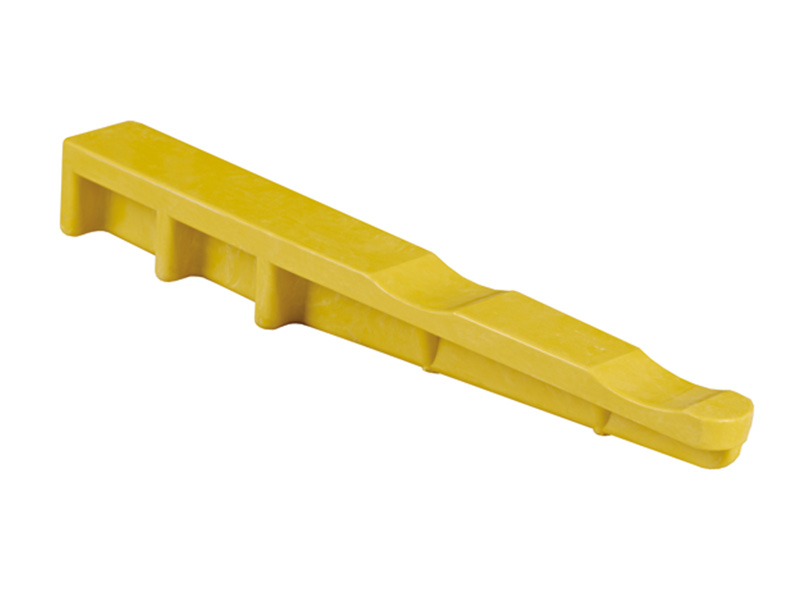
Place Markers at Changes and Decision Points
Prioritize crossings, bends, valves, boundaries and places where the route becomes difficult to follow. Long straight-run spacing should follow owner requirements. Link the FRP marker post installation decision on “Place Markers at Changes and Decision Points” to the relevant dimension, calculation assumption or inspection record.
Check for Utilities Before Excavating Post Holes
Obtain required permits and locating clearance. Use an installation method appropriate to the proximity of buried services. For this topic, make “Check for Utilities Before Excavating Post Holes” a checked item on the drawing or schedule before fabrication.
FRP Marker Post decision table
| Project decision | Evidence to request | Risk if unresolved |
|---|---|---|
| Start With Verified Route Information | Use approved survey and utility records, and follow local locating procedures | field drilling, local stress or a delayed inspection |
| Choose On-Line or Offset Placement | Select the convention that protects the marker and accurately communicates the asset | a nominal product match that has never been checked for the site |
| Place Markers at Changes and Decision Points | Prioritize crossings, bends, valves, boundaries and places where the route becomes… | supplier proposals based on incompatible scope assumptions |
| Check for Utilities Before Excavating Post Holes | Obtain required permits and locating clearance | a decision that cannot be traced back to the recorded site condition |
Set Embedment for Soil and Exposure
Consider weak ground, frost, flooding, livestock, vegetation maintenance and vehicle risk. Keep label height and post verticality consistent. The FRP marker post installation review should close “Set Embedment for Soil and Exposure” with measurable acceptance information rather than a general supplier statement.
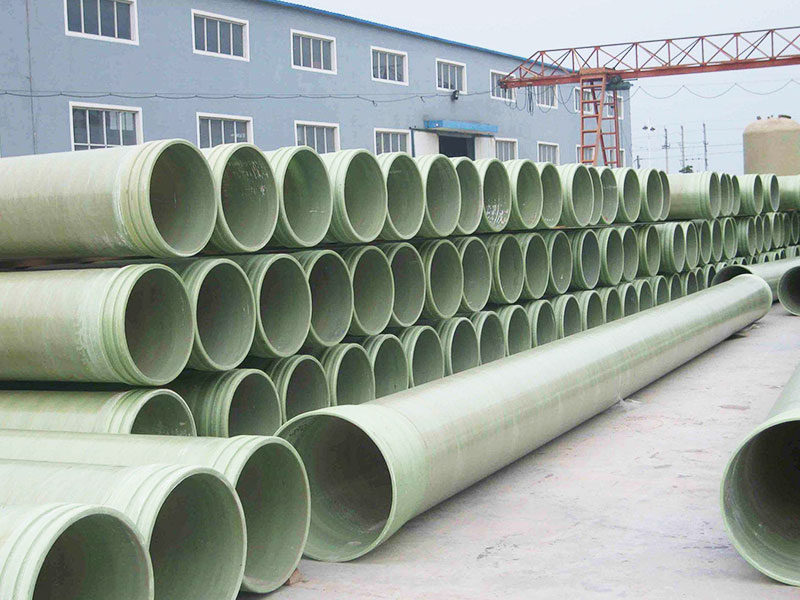
Orient Labels Toward the Intended Reader
Account for roadside approach, right-of-way access and snow or vegetation. Keep messages visible without directing users into a hazard. Record how FRP marker post installation addresses “Orient Labels Toward the Intended Reader” so site changes can be compared with the approved basis.
Capture Coordinates and Marker Details
Record location, offset convention, asset identifier, photograph and installation date. Link the marker to the owner’s GIS or asset record where used. Assign responsibility for “Capture Coordinates and Marker Details” in the FRP marker post installation scope instead of leaving the interface between trades undefined.
Inspect After Land or Route Changes
Check visibility, impact, fading, movement and discrepancies with current records. Relocate or relabel markers when the utility or surrounding site changes. Use “Inspect After Land or Route Changes” as a FRP marker post installation hold point when later work would conceal the condition or make correction difficult.
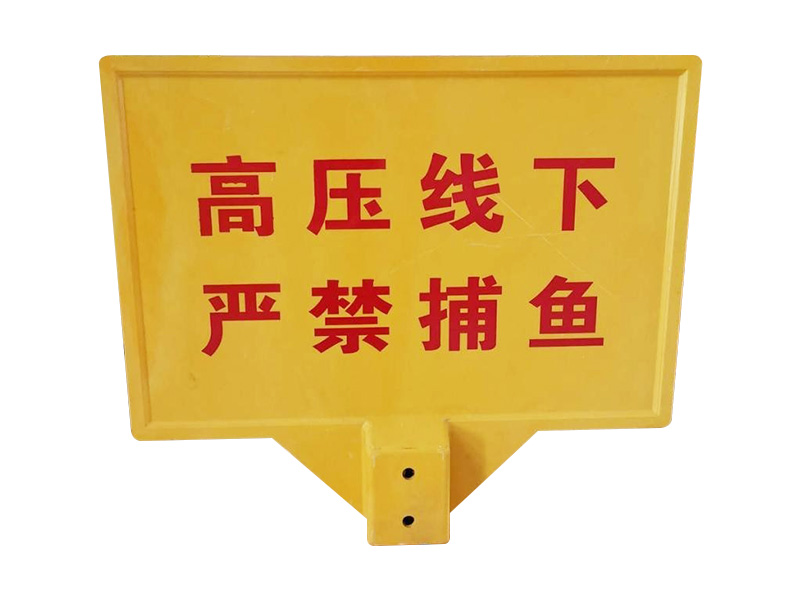
Documenting FRP Marker Post decisions
A procurement package for FRP marker post installation should make the design basis behind “Inspect After Land or Route Changes” reviewable. The exact submittals depend on scope, but the owner should be able to identify what was selected, why it was selected and how the installed work was accepted. Avoid asking for unrelated certificates simply to make the package look complete.
- A dimensioned layout showing the orientation and interfaces of FRP marker post installation.
- The stated loads, exposure conditions and operating assumptions used for FRP marker post installation.
- Product data and material descriptions that correspond to the offered configuration.
- Connection, foundation, support or installation details within the supplier’s scope.
- Inspection, test, handling and maintenance information relevant to the finished work.
FRP Marker Post: standards and design responsibility
Requirements for “Choose On-Line or Offset Placement” vary by location, facility and duty. A project review may draw on OSHA walking-working surfaces, OSHA fall protection, OSHA electrical safety and NIST engineering resources. These links provide authoritative starting points; the responsible professional must decide what applies to FRP marker post installation and use the current edition required by the project.
Five practical questions about FRP marker post installation
Why should a team address start with verified route information for FRP marker post installation?
Use approved survey and utility records, and follow local locating procedures. Resolve discrepancies before setting marker positions. In a FRP marker post installation project, the answer should be recorded in a drawing, calculation, approved submittal or inspection note appropriate to the decision. If the necessary site information is unavailable, state the assumption and identify who must close it before work proceeds.
How should a designer address choose on-line or offset placement for FRP marker post installation?
Select the convention that protects the marker and accurately communicates the asset. State offsets clearly on labels and as-built drawings. In a FRP marker post installation project, the answer should be recorded in a drawing, calculation, approved submittal or inspection note appropriate to the decision. If the necessary site information is unavailable, state the assumption and identify who must close it before work proceeds.
When should a contractor address place markers at changes and decision points for FRP marker post installation?
Prioritize crossings, bends, valves, boundaries and places where the route becomes difficult to follow. Long straight-run spacing should follow owner requirements. In a FRP marker post installation project, the answer should be recorded in a drawing, calculation, approved submittal or inspection note appropriate to the decision. If the necessary site information is unavailable, state the assumption and identify who must close it before work proceeds.
What evidence helps a buyer address check for utilities before excavating post holes for FRP marker post installation?
Obtain required permits and locating clearance. Use an installation method appropriate to the proximity of buried services. In a FRP marker post installation project, the answer should be recorded in a drawing, calculation, approved submittal or inspection note appropriate to the decision. If the necessary site information is unavailable, state the assumption and identify who must close it before work proceeds.
How can an owner address set embedment for soil and exposure for FRP marker post installation?
Consider weak ground, frost, flooding, livestock, vegetation maintenance and vehicle risk. Keep label height and post verticality consistent. In a FRP marker post installation project, the answer should be recorded in a drawing, calculation, approved submittal or inspection note appropriate to the decision. If the necessary site information is unavailable, state the assumption and identify who must close it before work proceeds.
FRP Marker Post decision record and handover
A strong FRP marker post installation article should connect “Start With Verified Route Information” to a better project brief, and a strong project brief should lead to evidence. Record the selected configuration, controlling loads or operating conditions, exposure, interfaces, installation limits and acceptance checks. That record is more valuable than a broad claim that one material or product is suitable for every site.
Review the FRP Marker Post product information, browse the FRP product range, compare this topic with the related guide FRP Purlin Connection Design for Corrosive Roof Systems, and read why FRP is used in demanding environments. To discuss drawings or service conditions for FRP marker post installation, contact the XPFRP project team.