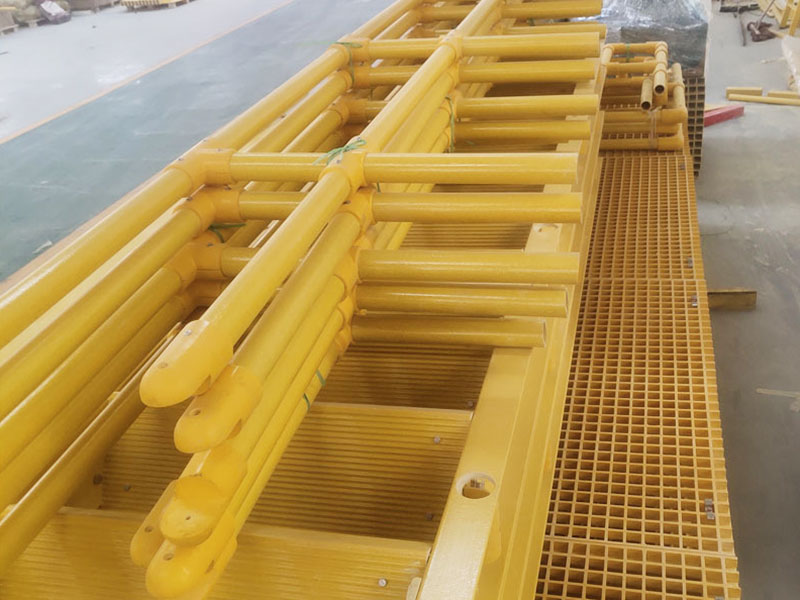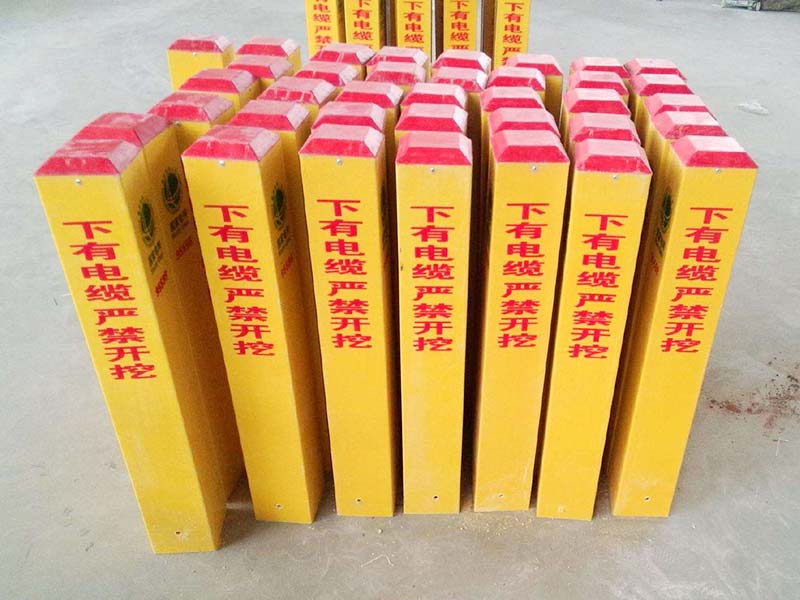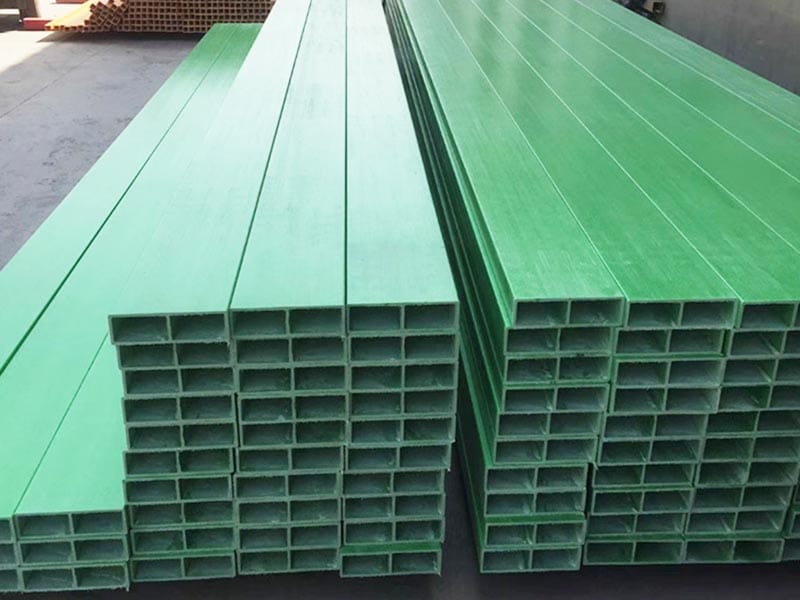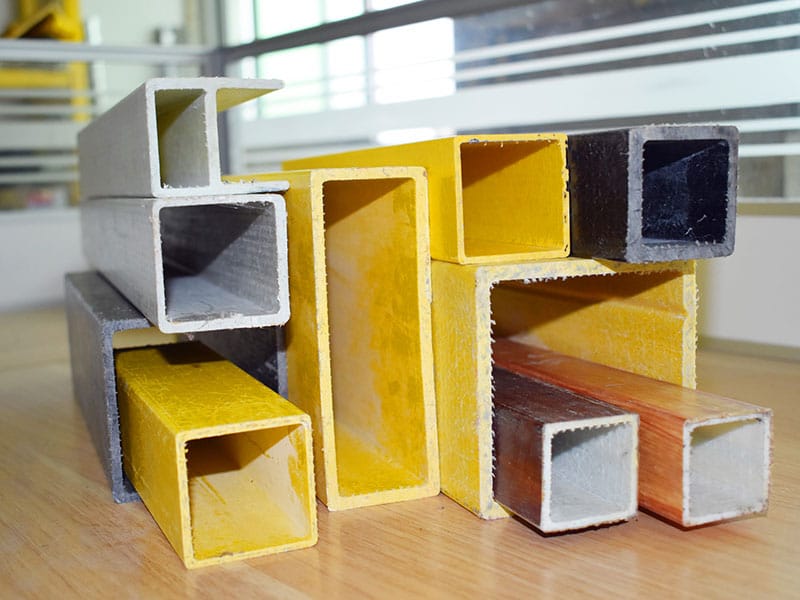
Oilfield fence failures often begin at foundations, gates or impact points rather than in the middle of a panel. Exposure zoning and vehicle movement therefore matter as much as corrosion resistance. This guide examines FRP oilfield fencing through the decisions that control a real project. Its purpose is to help oilfield project teams choose fencing for chemically exposed, windy and vehicle-intensive outdoor sites, with emphasis on evidence that can be checked on drawings, submittals and site records.
The search intent is practical: what should be measured, calculated, shown and inspected? “Create an Exposure Map Around the Facility” is the starting point, followed by the specific interfaces and failure modes implied by the H1.
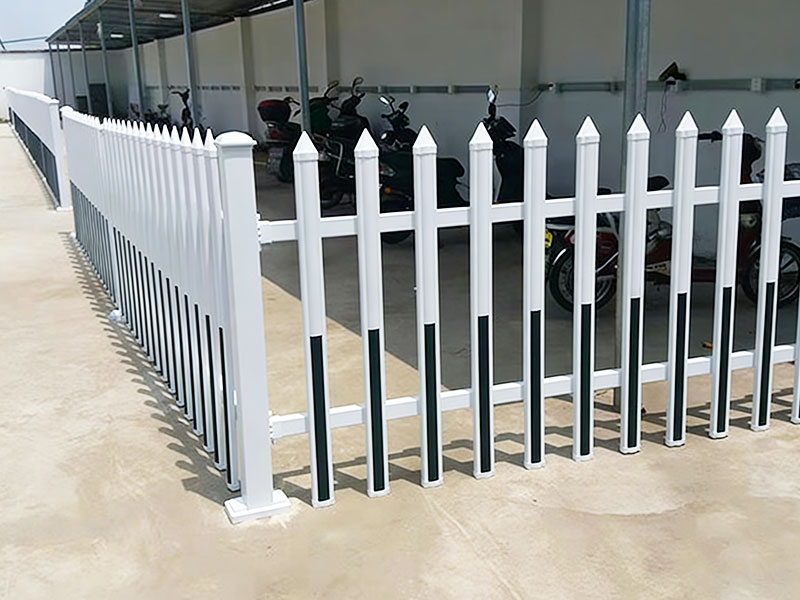
Create an Exposure Map Around the Facility
Separate zones affected by salt, hydrocarbons, treatment chemicals, washdown and routine dust. Record temperature and ultraviolet exposure for each fence run. For this topic, make “Create an Exposure Map Around the Facility” a checked item on the drawing or schedule before fabrication.
Calculate Wind Demand for the Actual Panel Openness
Open grating and solid screening create different wind actions. Include local height, terrain and corner or gate conditions in the structural review. The project review should close “Calculate Wind Demand for the Actual Panel Openness” with measurable acceptance information rather than a general supplier statement.
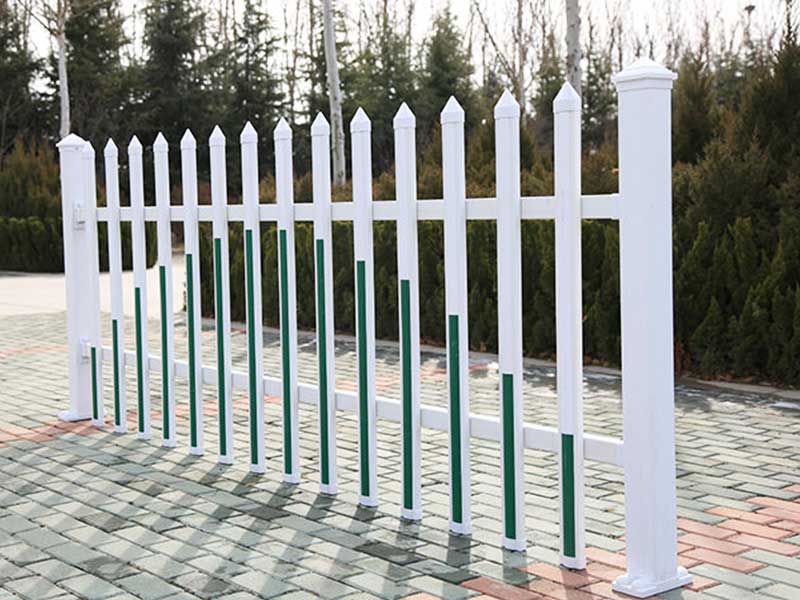
Match Post Foundations to Soil and Drainage
Review weak fill, expansive soil, standing water and frost where applicable. Provide drainage and foundation geometry that keep posts aligned over seasonal cycles. Record how the selected system addresses “Match Post Foundations to Soil and Drainage” so site changes can be compared with the approved basis.
Protect Fence Runs From Vehicle Impact
Map truck paths, reversing areas and maintenance access. Use setbacks or independently designed barriers where a fence cannot safely serve as impact protection. Assign responsibility for “Protect Fence Runs From Vehicle Impact” in the FRP oilfield fencing scope instead of leaving the interface between trades undefined.
FRP Oilfield Fencing decision table
| Project decision | Evidence to request | Risk if unresolved |
|---|---|---|
| Create an Exposure Map Around the Facility | Separate zones affected by salt, hydrocarbons, treatment chemicals, washdown and routine… | a small detailing error repeated across every unit |
| Calculate Wind Demand for the Actual Panel Openness | Open grating and solid screening create different wind actions | missing baseline information for later inspection and replacement |
| Match Post Foundations to Soil and Drainage | Review weak fill, expansive soil, standing water and frost where applicable | a catalog assumption being used in place of the installed condition |
| Protect Fence Runs From Vehicle Impact | Map truck paths, reversing areas and maintenance access | attention being diverted from the variables that control performance |
Keep Gates Reliable Under Dust and Corrosion
Select clearances, hinges, latches and stops for contaminated outdoor service. Check sag, foundation movement and lock operation during routine inspections. Use “Keep Gates Reliable Under Dust and Corrosion” as a FRP oilfield fencing hold point when later work would conceal the condition or make correction difficult.
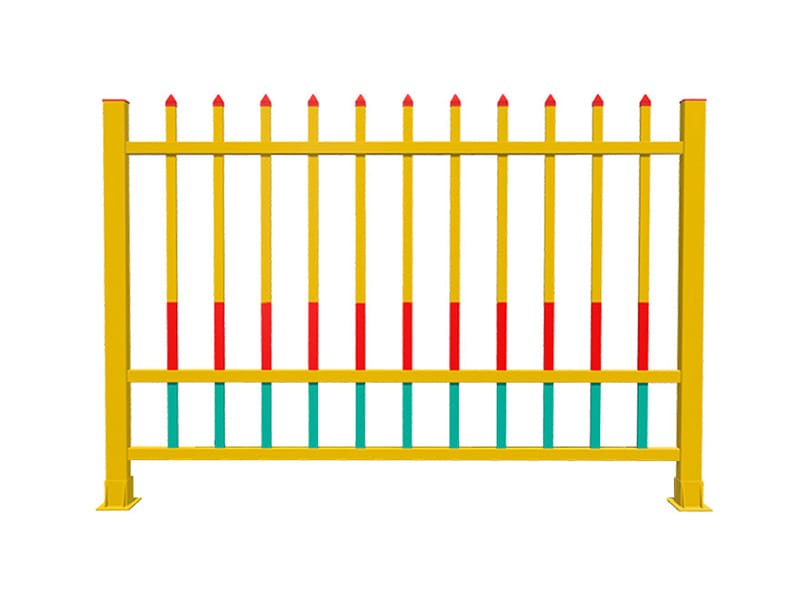
Choose Resin, Color and UV Protection by Zone
Provide chemical details and expected sunlight rather than relying on a general outdoor label. Confirm cut-edge and drilled-hole treatment for site modifications. Link the FRP oilfield fencing decision on “Choose Resin, Color and UV Protection by Zone” to the relevant dimension, calculation assumption or inspection record.
Control Dissimilar Hardware and Site Repairs
Specify compatible fasteners and prevent unreviewed substitution with readily available metal parts. Document any field repair or new attachment. For this topic, make “Control Dissimilar Hardware and Site Repairs” a checked item on the drawing or schedule before fabrication.
Set an Inspection Route Based on Consequence
Prioritize gates, corners, vehicle approaches and high-exposure zones. Record alignment, damage, foundations, fasteners and label condition on a repeatable route. The project review should close “Set an Inspection Route Based on Consequence” with measurable acceptance information rather than a general supplier statement.
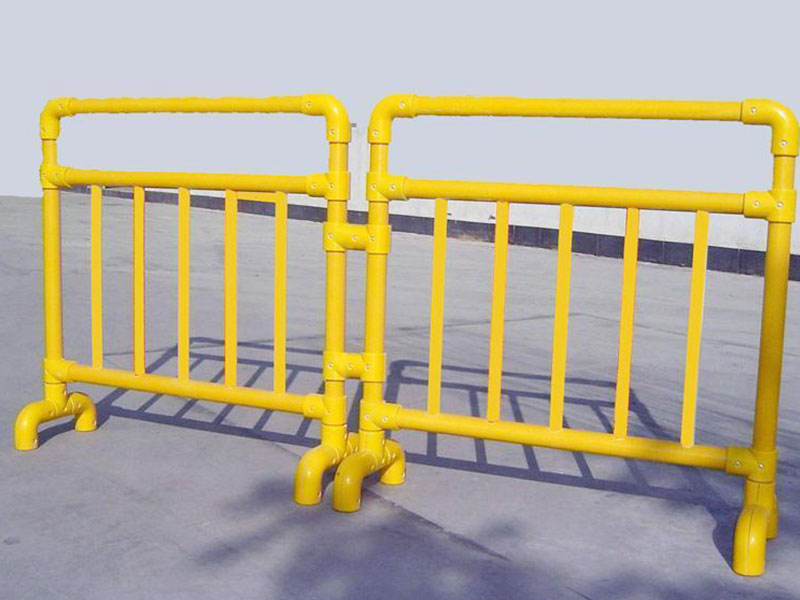
Documenting FRP Oilfield Fencing decisions
A procurement package for FRP oilfield fencing should make the design basis behind “Set an Inspection Route Based on Consequence” reviewable. The exact submittals depend on scope, but the owner should be able to identify what was selected, why it was selected and how the installed work was accepted. Avoid asking for unrelated certificates simply to make the package look complete.
- A dimensioned layout showing the orientation and interfaces of FRP oilfield fencing.
- The stated loads, exposure conditions and operating assumptions used for FRP oilfield fencing.
- Product data and material descriptions that correspond to the offered configuration.
- Connection, foundation, support or installation details within the supplier’s scope.
- Inspection, test, handling and maintenance information relevant to the finished work.
FRP Oilfield Fencing: standards and design responsibility
Requirements for “Calculate Wind Demand for the Actual Panel Openness” vary by location, facility and duty. A project review may draw on US EPA wastewater resources, OSHA hazardous materials, ASTM standards catalog and ISO standards. These links provide authoritative starting points; the responsible professional must decide what applies to FRP oilfield fencing and use the current edition required by the project.
Five practical questions about FRP oilfield fencing
Why should a team address create an exposure map around the facility for FRP oilfield fencing?
Separate zones affected by salt, hydrocarbons, treatment chemicals, washdown and routine dust. Record temperature and ultraviolet exposure for each fence run. In a FRP oilfield fencing project, the answer should be recorded in a drawing, calculation, approved submittal or inspection note appropriate to the decision. If the necessary site information is unavailable, state the assumption and identify who must close it before work proceeds.
How should a designer address calculate wind demand for the actual panel openness for FRP oilfield fencing?
Open grating and solid screening create different wind actions. Include local height, terrain and corner or gate conditions in the structural review. In a FRP oilfield fencing project, the answer should be recorded in a drawing, calculation, approved submittal or inspection note appropriate to the decision. If the necessary site information is unavailable, state the assumption and identify who must close it before work proceeds.
When should a contractor address match post foundations to soil and drainage for FRP oilfield fencing?
Review weak fill, expansive soil, standing water and frost where applicable. Provide drainage and foundation geometry that keep posts aligned over seasonal cycles. In a FRP oilfield fencing project, the answer should be recorded in a drawing, calculation, approved submittal or inspection note appropriate to the decision. If the necessary site information is unavailable, state the assumption and identify who must close it before work proceeds.
What evidence helps a buyer address protect fence runs from vehicle impact for FRP oilfield fencing?
Map truck paths, reversing areas and maintenance access. Use setbacks or independently designed barriers where a fence cannot safely serve as impact protection. In a FRP oilfield fencing project, the answer should be recorded in a drawing, calculation, approved submittal or inspection note appropriate to the decision. If the necessary site information is unavailable, state the assumption and identify who must close it before work proceeds.
How can an owner address keep gates reliable under dust and corrosion for FRP oilfield fencing?
Select clearances, hinges, latches and stops for contaminated outdoor service. Check sag, foundation movement and lock operation during routine inspections. In a FRP oilfield fencing project, the answer should be recorded in a drawing, calculation, approved submittal or inspection note appropriate to the decision. If the necessary site information is unavailable, state the assumption and identify who must close it before work proceeds.
FRP Oilfield Fencing decision record and handover
A strong FRP oilfield fencing article should connect “Create an Exposure Map Around the Facility” to a better project brief, and a strong project brief should lead to evidence. Record the selected configuration, controlling loads or operating conditions, exposure, interfaces, installation limits and acceptance checks. That record is more valuable than a broad claim that one material or product is suitable for every site.
Review the FRP Oilfield Fencing product information, browse the FRP product range, compare this topic with the related guide How to Choose a Chemical Resistant FRP Fence, and read why FRP is used in demanding environments. To discuss drawings or service conditions for FRP oilfield fencing, contact the XPFRP project team.