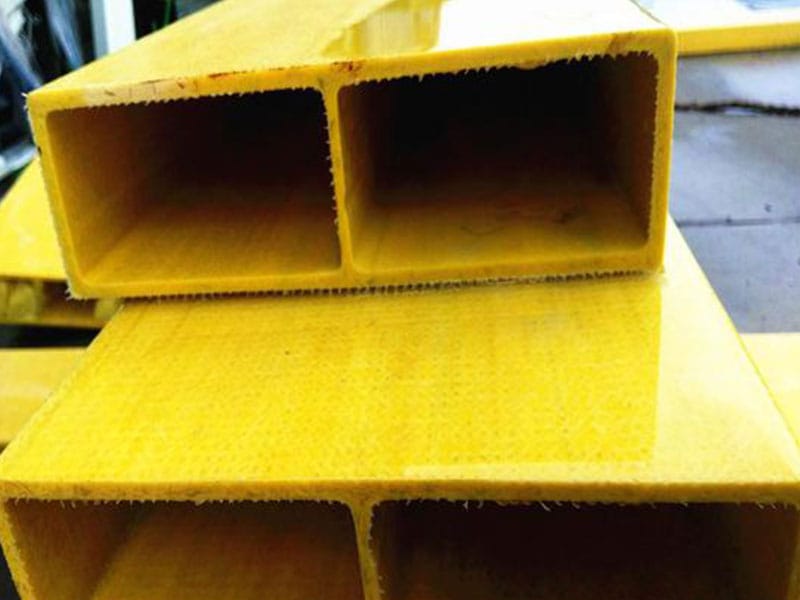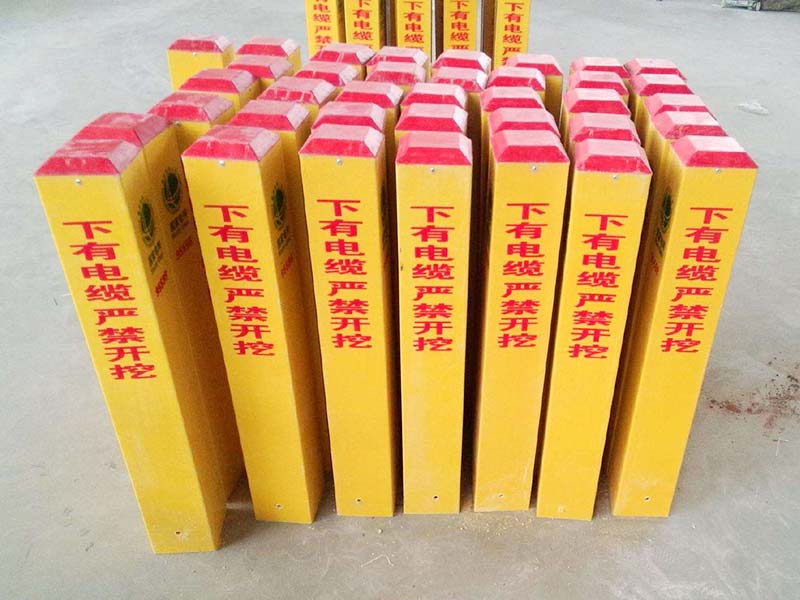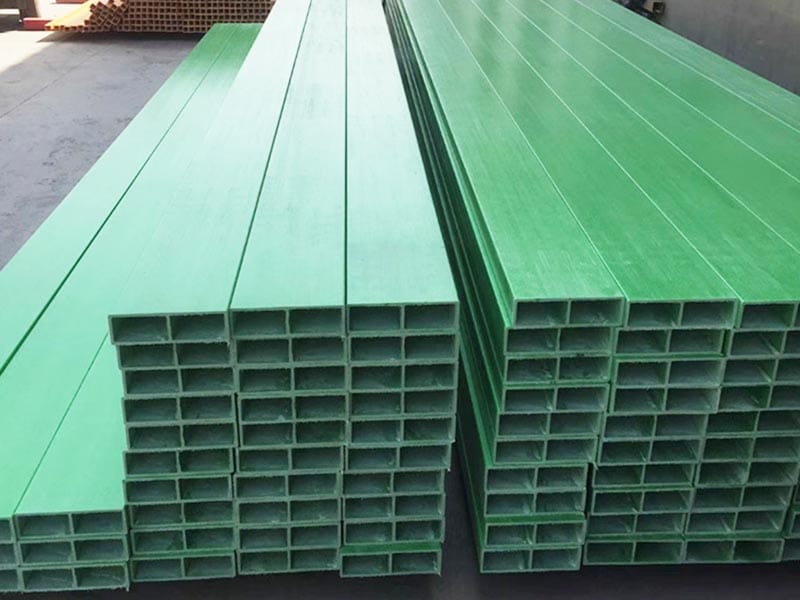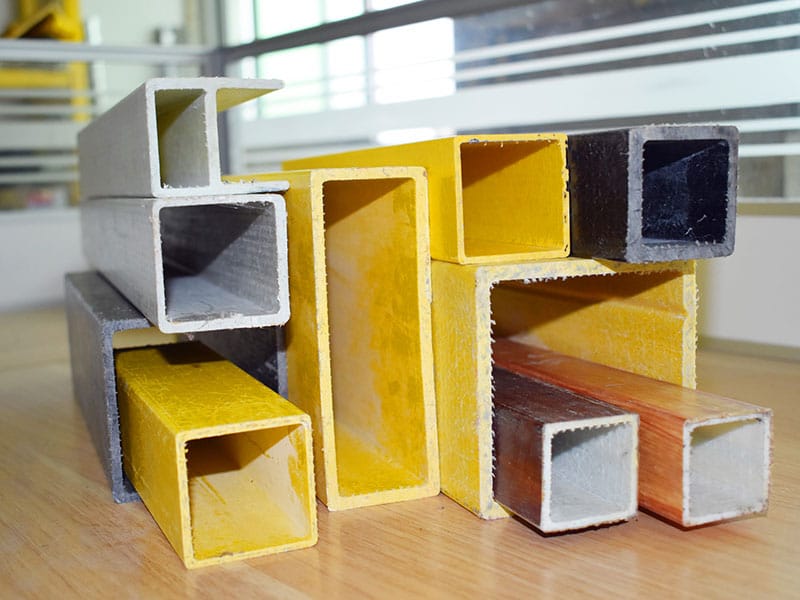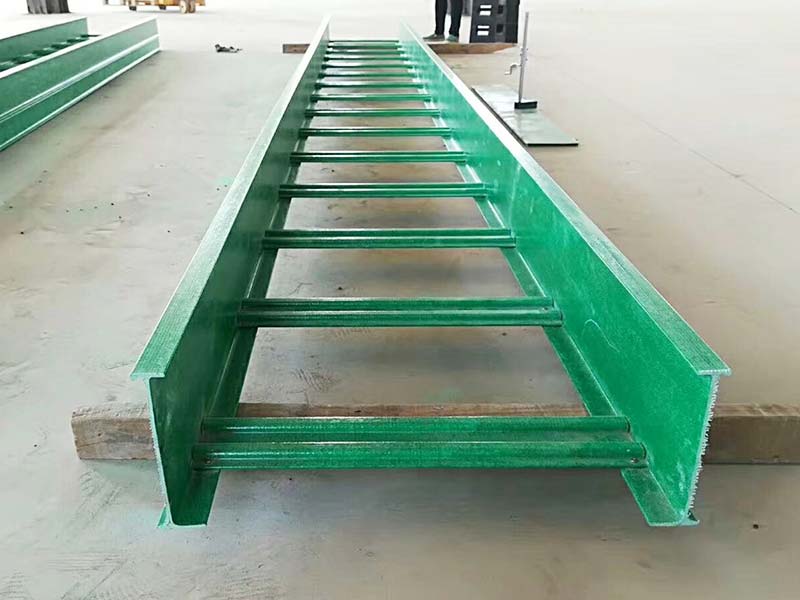
Rectangular tube looks simple on a product list, yet its two bending axes, hollow walls and closed shape make orientation and connection detailing decisive. This guide examines FRP rectangular tube through the decisions that control a real project. Its purpose is to help a fabricator select a rectangular pultruded section for a real frame rather than choose by outside dimensions alone, with emphasis on evidence that can be checked on drawings, submittals and site records.
The search intent is practical: what should be measured, calculated, shown and inspected? “Trace the Loads Through the Complete Frame” is the starting point, followed by the specific interfaces and failure modes implied by the H1.
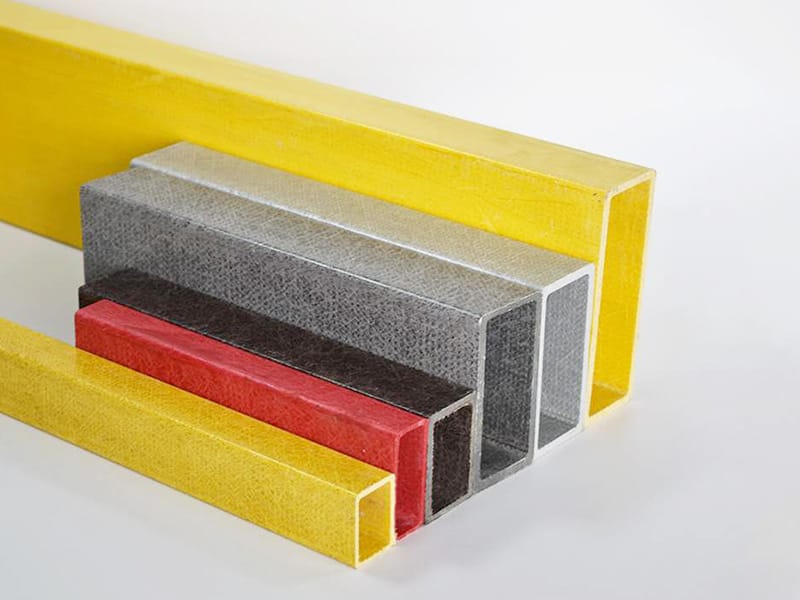
Trace the Loads Through the Complete Frame
List equipment weight, maintenance loads, wind and accidental forces, then show how each force moves through rails, posts and bases. A tube is only adequate when the whole load path is defined. For this topic, make “Trace the Loads Through the Complete Frame” a checked item on the drawing or schedule before fabrication.
Match Tube Orientation to the Critical Bending Axis
Place the deeper dimension in the direction that needs greater bending stiffness. Check both axes because a frame can see lateral loads that are easy to overlook on a front elevation. The project review should close “Match Tube Orientation to the Critical Bending Axis” with measurable acceptance information rather than a general supplier statement.
Use Clear Span and Deflection to Screen Sizes
Compare candidate sections at the actual clear span and support condition. Serviceability can govern long before material strength, especially around doors, equipment alignment and walking surfaces. Record how FRP rectangular tube addresses “Use Clear Span and Deflection to Screen Sizes” so site changes can be compared with the approved basis.
Design Joints Without Crushing Hollow Walls
Bolts through an unsupported tube wall can create local bearing and clamp-load problems. Detail sleeves, inserts, plates or other load-spreading features where the connection calculation requires them. Assign responsibility for “Design Joints Without Crushing Hollow Walls” in the FRP rectangular tube scope instead of leaving the interface between trades undefined.
FRP Rectangular Tube decision table
| Project decision | Evidence to request | Risk if unresolved |
|---|---|---|
| Trace the Loads Through the Complete Frame | List equipment weight, maintenance loads, wind and accidental forces, then show how each… | wrong load transfer or restricted maintenance access |
| Match Tube Orientation to the Critical Bending Axis | Place the deeper dimension in the direction that needs greater bending stiffness | field drilling, local stress or a delayed inspection |
| Use Clear Span and Deflection to Screen Sizes | Compare candidate sections at the actual clear span and support condition | a nominal product match that has never been checked for the site |
| Design Joints Without Crushing Hollow Walls | Bolts through an unsupported tube wall can create local bearing and clamp-load problems | supplier proposals based on incompatible scope assumptions |
Reserve Drilling and Cutout Zones
Keep holes away from highly stressed corners and crowded tube ends. Coordinate bolt access, tool clearance and edge treatment before the frame is released for fabrication. Use “Reserve Drilling and Cutout Zones” as a FRP rectangular tube hold point when later work would conceal the condition or make correction difficult.
Select Resin and Surface Protection From Exposure
Describe chemicals, temperature, ultraviolet exposure and washdown practice. Resin choice and surface veil should follow that service record rather than a generic request for corrosion resistance. Link the FRP rectangular tube decision on “Select Resin and Surface Protection From Exposure” to the relevant dimension, calculation assumption or inspection record.
Control Fabrication Tolerances Across Repeated Frames
Repeated bays magnify small length, squareness and hole-location errors. Establish datum points and trial-fit expectations for modules that must align on site. For this topic, make “Control Fabrication Tolerances Across Repeated Frames” a checked item on the drawing or schedule before fabrication.
Issue a Tube Schedule Suppliers Can Price
Record section size, wall, length, orientation, quantity, resin, color, cut and drilled details, connection scope and required submittals in one coordinated schedule. The FRP rectangular tube review should close “Issue a Tube Schedule Suppliers Can Price” with measurable acceptance information rather than a general supplier statement.
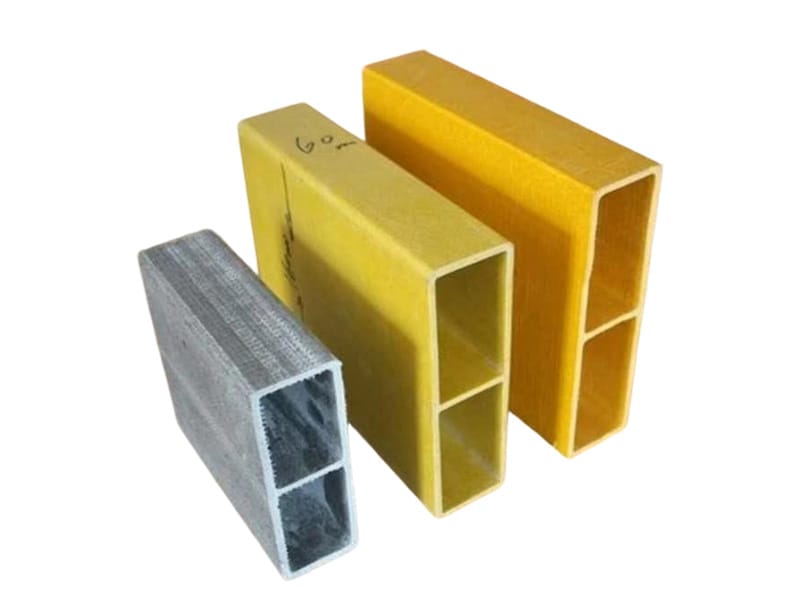
Documenting FRP Rectangular Tube decisions
A procurement package for FRP rectangular tube should make the design basis behind “Issue a Tube Schedule Suppliers Can Price” reviewable. The exact submittals depend on scope, but the owner should be able to identify what was selected, why it was selected and how the installed work was accepted. Avoid asking for unrelated certificates simply to make the package look complete.
- A dimensioned layout showing the orientation and interfaces of FRP rectangular tube.
- The stated loads, exposure conditions and operating assumptions used for FRP rectangular tube.
- Product data and material descriptions that correspond to the offered configuration.
- Connection, foundation, support or installation details within the supplier’s scope.
- Inspection, test, handling and maintenance information relevant to the finished work.
FRP Rectangular Tube: standards and design responsibility
Requirements for “Match Tube Orientation to the Critical Bending Axis” vary by location, facility and duty. A project review may draw on ASCE structural standards, ASTM D3917, ASTM D638 and OSHA walking-working surfaces. These links provide authoritative starting points; the responsible professional must decide what applies to FRP rectangular tube and use the current edition required by the project.
Five practical questions about FRP rectangular tube
Why should a team address trace the loads through the complete frame for FRP rectangular tube?
List equipment weight, maintenance loads, wind and accidental forces, then show how each force moves through rails, posts and bases. A tube is only adequate when the whole load path is defined. In a FRP rectangular tube project, the answer should be recorded in a drawing, calculation, approved submittal or inspection note appropriate to the decision. If the necessary site information is unavailable, state the assumption and identify who must close it before work proceeds.
How should a designer address match tube orientation to the critical bending axis for FRP rectangular tube?
Place the deeper dimension in the direction that needs greater bending stiffness. Check both axes because a frame can see lateral loads that are easy to overlook on a front elevation. In a FRP rectangular tube project, the answer should be recorded in a drawing, calculation, approved submittal or inspection note appropriate to the decision. If the necessary site information is unavailable, state the assumption and identify who must close it before work proceeds.
When should a contractor address use clear span and deflection to screen sizes for FRP rectangular tube?
Compare candidate sections at the actual clear span and support condition. Serviceability can govern long before material strength, especially around doors, equipment alignment and walking surfaces. In a FRP rectangular tube project, the answer should be recorded in a drawing, calculation, approved submittal or inspection note appropriate to the decision. If the necessary site information is unavailable, state the assumption and identify who must close it before work proceeds.
What evidence helps a buyer address design joints without crushing hollow walls for FRP rectangular tube?
Bolts through an unsupported tube wall can create local bearing and clamp-load problems. Detail sleeves, inserts, plates or other load-spreading features where the connection calculation requires them. In a FRP rectangular tube project, the answer should be recorded in a drawing, calculation, approved submittal or inspection note appropriate to the decision. If the necessary site information is unavailable, state the assumption and identify who must close it before work proceeds.
How can an owner address reserve drilling and cutout zones for FRP rectangular tube?
Keep holes away from highly stressed corners and crowded tube ends. Coordinate bolt access, tool clearance and edge treatment before the frame is released for fabrication. In a FRP rectangular tube project, the answer should be recorded in a drawing, calculation, approved submittal or inspection note appropriate to the decision. If the necessary site information is unavailable, state the assumption and identify who must close it before work proceeds.
FRP Rectangular Tube decision record and handover
A strong FRP rectangular tube article should connect “Trace the Loads Through the Complete Frame” to a better project brief, and a strong project brief should lead to evidence. Record the selected configuration, controlling loads or operating conditions, exposure, interfaces, installation limits and acceptance checks. That record is more valuable than a broad claim that one material or product is suitable for every site.
Review the FRP Rectangular Tube product information, browse the FRP product range, compare this topic with the related guide How to Specify an FRP I Beam for Industrial Structures, and read why FRP is used in demanding environments. To discuss drawings or service conditions for FRP rectangular tube, contact the XPFRP project team.