xinpengfrp@gmail.com
xinpengfrp@gmail.com
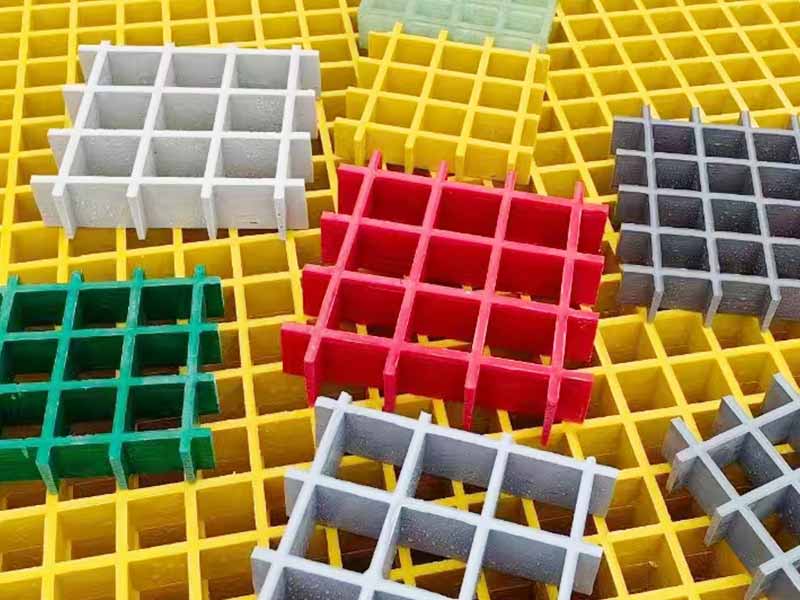
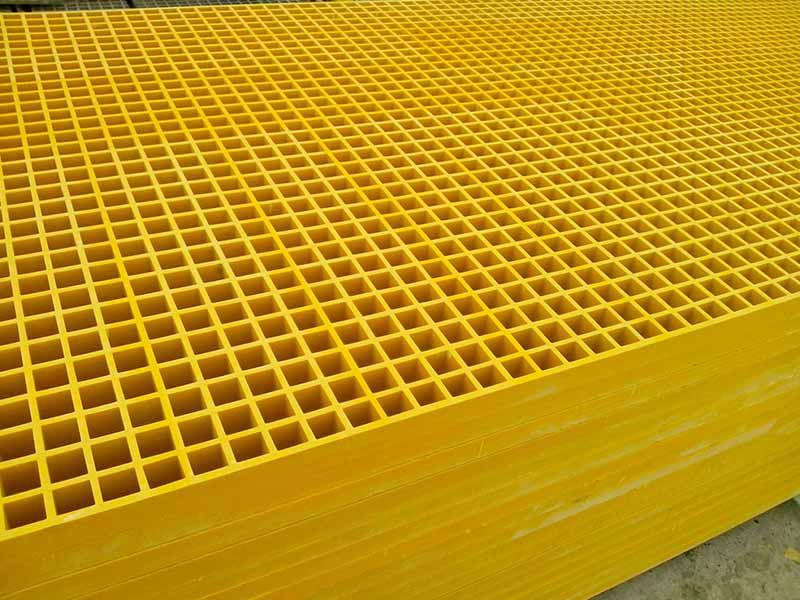
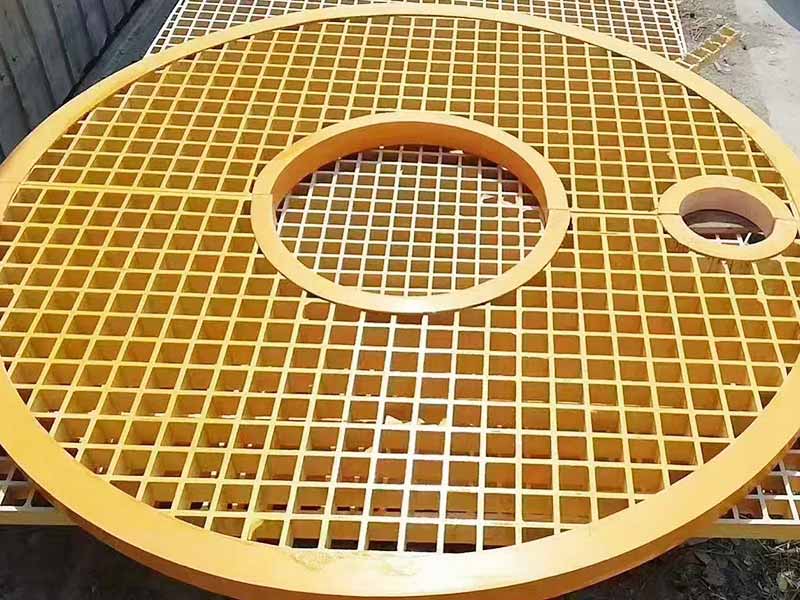
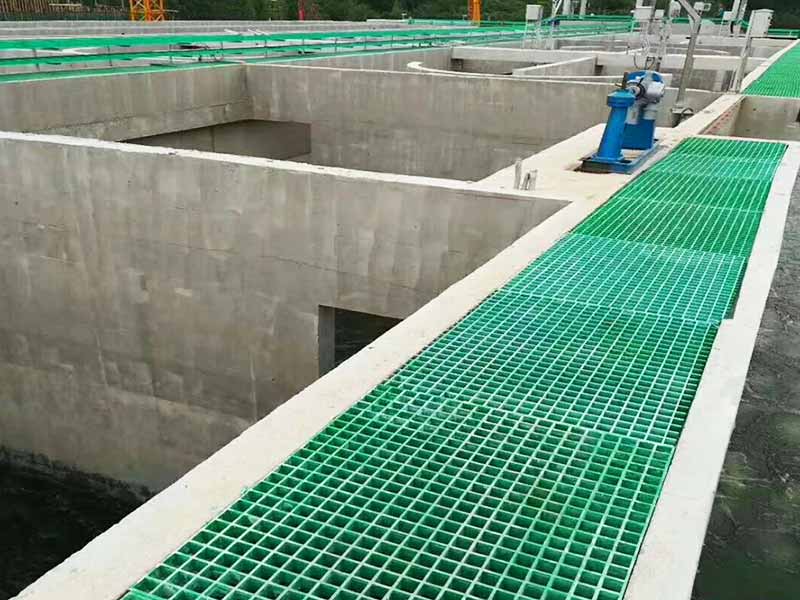
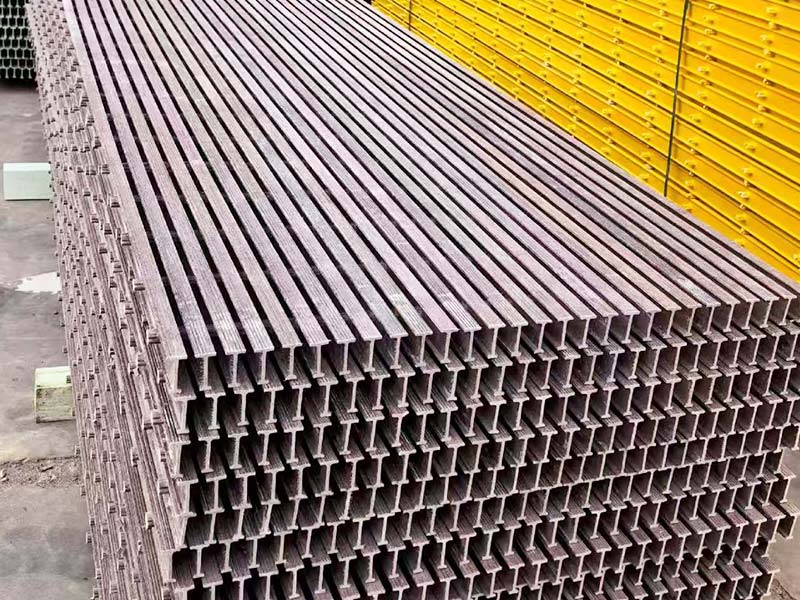
Fiberglass grating, also known as fiberglass reinforced plastic (FRP) grating, is a type of openwork plate material made with fiberglass as reinforcement and non-porous polyester resin as the matrix, processed through a special composite process. FRP grating can be used as a structural material for floors, trench covers, platforms, ship decks, stairs, walkways, etc., in corrosive environments.
Corrosion Resistance
Lightweight & High Strength
Durable and Reliable
Flexible Customization
Fiberglass grating, also known as fiberglass reinforced plastic (FRP) grating, is a type of openwork plate material made with fiberglass as reinforcement and non-porous polyester resin as the matrix, processed through a special composite process. FRP grating can be used as a structural material for floors, trench covers, platforms, ship decks, stairs, walkways, etc., in corrosive environments. It features corrosion resistance, flame retardancy, non-magnetic insulation, bright colors, and a variety of styles and forms.
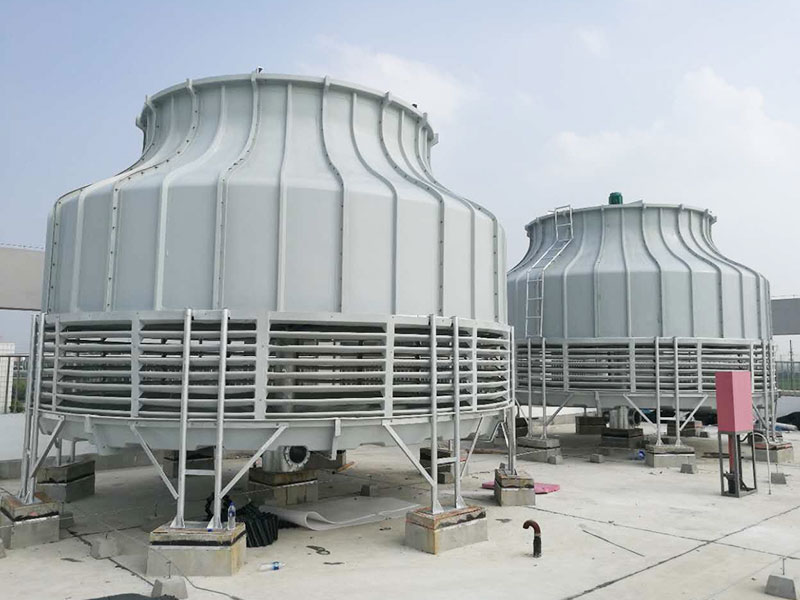
Water Treatment: Maintenance walkways, drain covers, large containers, scrubbers, trash racks, drainage channels, fixtures for biological water treatment tanks, ventilation windows, stairs, cooling tower operating platform paving.
Chemical Plants: Stair treads, operating platforms, railings, double-layer flooring, trench covers, filter screens.
Petroleum Industry: Offshore oil platforms.
Textile Mills: Replacement for metal gratings, wooden platforms and covering of cement floors, areas around dyeing vats, floors, and valves.
Power Plants: Trench covers in chemical water workshops, wastewater pools, etc. Metal Surface Treatment: Pickling areas, replacement of wooden flooring around machines, around highly corrosive containers, electroplating line walkways, double-layer flooring.
Beverage Industry: Stair treads, replacement of black stainless steel, load-bearing flooring.
Pulp and Processing Plants: Stair treads and floor slabs, floor walkways, damp areas.
Electronics Industry: Drain covers, pickling workshops, anti-static (anti-static grilles), and high-cleanliness workshops.
Meat Processing Plants: Corrosion-prone floors, stairs, slippery workbenches, and stair treads.
1. Corrosion resistant, rust-free, long service life, maintenance-free
2. Lightweight and high-strength, easy to cut and install
3. Beautiful, insulating, flame-retardant, and non-magnetic
4. Impact resistant, not easily deformed, reducing fatigue
5. Highly designable, flexible and diverse sizes, dimensionally stable
6. Slight elasticity of levers enhances comfort and improves work efficiency
7. Beautiful and easy to maintain. Fiberglass molded grating is made by mixing colored paste into all resin, resulting in a variety of colors, uniform color, vibrant colors that are not easily faded, and no need for painting. Its smooth, resin-filled surface and beveled inner surface give it a self-cleaning property; even if dirty, it is easily rinsed with water or detergent, leaving the surface looking brand new.
8. Significant overall economic benefits: The manufacturing cost of fiberglass grating is 1.4-1.8 times that of steel grating, while the installation cost is only 20-40% of that of carbon steel. Maintenance costs for fiberglass grating are almost zero, while steel grating requires annual maintenance, with accumulated maintenance costs far exceeding the total cost of fiberglass grating. Although the initial investment cost of fiberglass grating is slightly higher than that of steel grating, the overall economic benefits are 4-5 times greater. The widespread use of fiberglass grating abroad is one reason for its popularity.
Excellent resistance to chemicals, moisture, and corrosion.
Lightweight with high load-bearing capacity.
Maintains performance over long-term use.
No rusting and minimal maintenance required.
Available in various sizes, structures, and specifications.
Provides better safety in industrial applications.