xinpengfrp@gmail.com
xinpengfrp@gmail.com
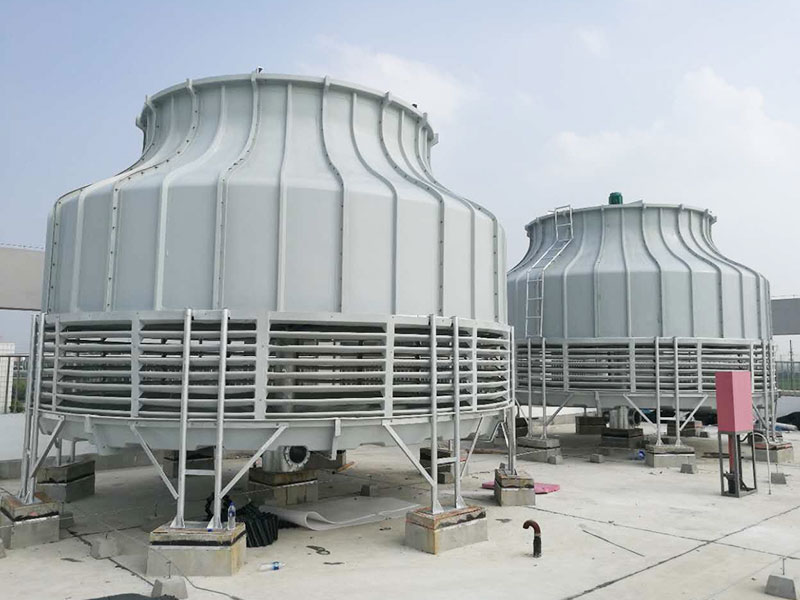
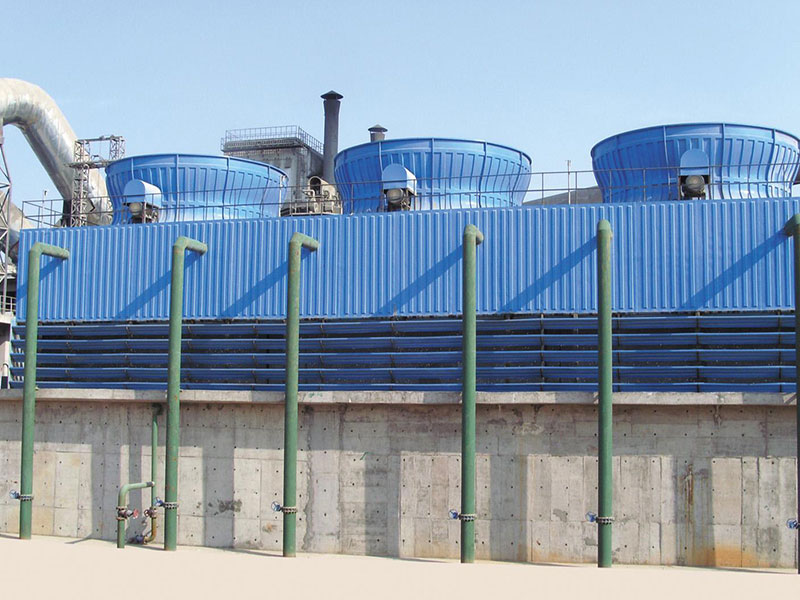
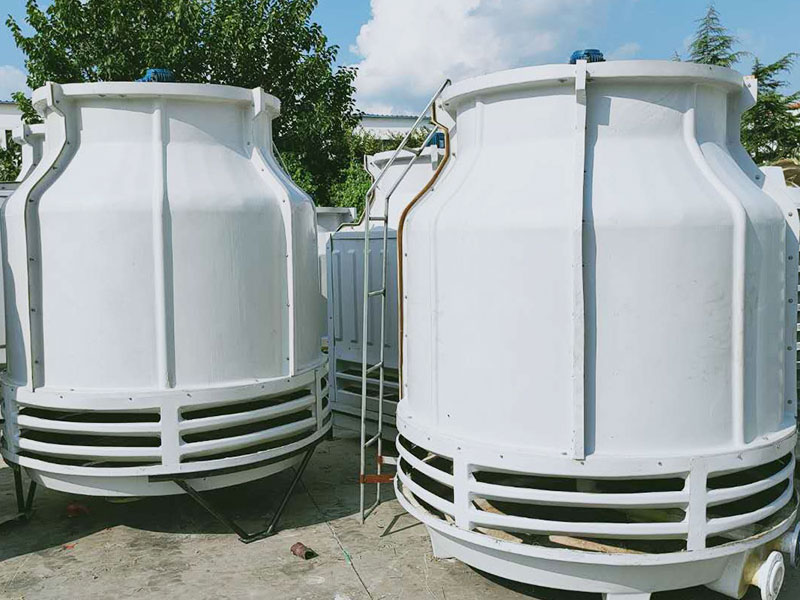
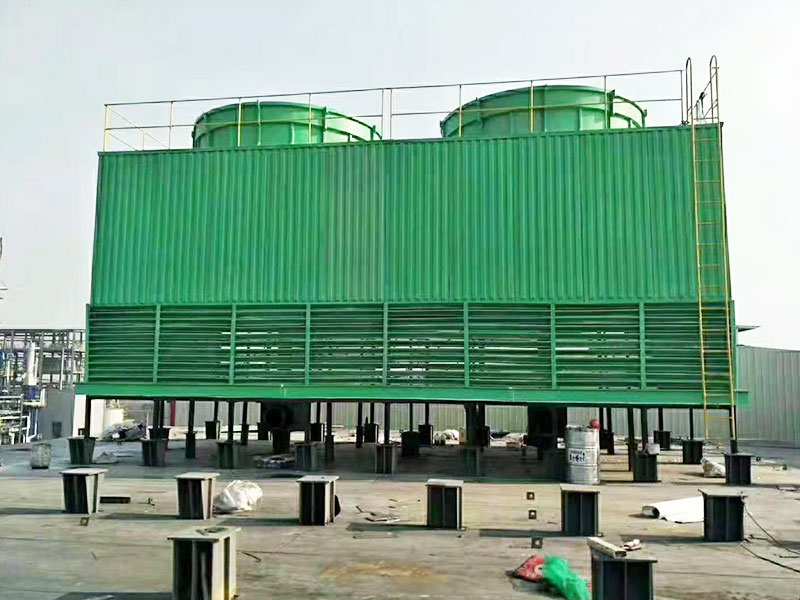
A “FRP cooling tower” refers to a device capable of cooling water. Within the tower, water undergoes heat and mass exchange with a passing stream of air, resulting in a reduction in the water’s temperature. An open-circuit cooling tower is a device that utilizes direct contact between water and air to dissipate waste heat—generated by industrial processes or refrigeration and air conditioning systems—primarily through the process of evaporation.
Corrosion Resistance
Lightweight & High Strength
Durable and Reliable
Flexible Customization
A “FRP cooling tower” refers to a device capable of cooling water. Within the tower, water undergoes heat and mass exchange with a passing stream of air, resulting in a reduction in the water’s temperature.
An open-circuit cooling tower is a device that utilizes direct contact between water and air to dissipate waste heat—generated by industrial processes or refrigeration and air conditioning systems—primarily through the process of evaporation.
The fundamental principle is as follows: dry air (characterized by low enthalpy) is drawn into the cooling tower through the air intake louvers by means of a fan. High-temperature water molecules—possessing a high partial pressure of saturated vapor—migrate toward the air, which is at a lower pressure; simultaneously, warm, moist water (characterized by high enthalpy) is sprayed into the tower via a water distribution system. When water droplets come into contact with the air, cooling occurs through two mechanisms: first, direct heat transfer takes place between the air and the water; second, due to the vapor pressure differential existing between the water’s surface and the surrounding air, evaporation occurs. This process involves the transfer of the water’s sensible heat to the unsaturated dry air, while the evaporation of a portion of the water carries away its latent heat, thereby achieving the objective of cooling the circulating water.
A closed-circuit cooling tower achieves cooling by facilitating contact between water and a coil assembly; heat is transferred through the coil walls, thereby removing heat from the process fluid flowing inside the coils. In a closed-circuit system, the circulating water remains confined within the tower, exchanging heat with the air to cool down before coming into contact with the coils to absorb heat from the internal process fluid; makeup water is added as needed via a supply line. Compared to an open-circuit cooling tower, the most distinctive feature of a closed-circuit tower is the inclusion of a coil assembly; the liquid process fluid requiring cooling flows through steel coils and does not come into direct contact with the circulating water, relying instead on heat transfer through the coil walls.
1. By Ventilation Method: Natural-draft cooling towers, mechanical-draft cooling towers, and hybrid-draft cooling towers.
2. By Water-Air Contact Method: Wet cooling towers, dry cooling towers, and wet-dry cooling towers.
3. By Water-Air Flow Direction: Counter-flow cooling towers, cross-flow cooling towers, and mixed-flow cooling towers.
4. By Application: General HVAC cooling towers, industrial cooling towers, and high-temperature cooling towers.
5. By Noise Level: Standard cooling towers, low-noise cooling towers, ultra-low-noise cooling towers, and ultra-silent cooling towers. 6. Other types include jet-type cooling towers, fanless cooling towers, hyperbolic cooling towers, etc.
7. Based on their external shape, FRP (fiberglass-reinforced plastic) cooling towers are classified into round FRP cooling towers and square FRP cooling towers.
Waste heat generated during industrial production or refrigeration processes typically needs to be carried away by cooling water. The function of a cooling tower is to facilitate a heat exchange between this waste-heat-laden cooling water and the air inside the tower, thereby transferring the waste heat to the air and dissipating it into the atmosphere.
For example: In a thermal power plant, boilers heat water into high-temperature, high-pressure steam, which drives steam turbines to perform work and generate electricity. The spent steam, having passed through the turbines, is discharged into a condenser where it undergoes heat exchange with cooling water and condenses back into liquid water; this water is then pumped back to the boilers for recirculation. In this process, the waste heat from the spent steam is transferred to the cooling water, causing the water’s temperature to rise. Subsequently, this waste-heat-laden cooling water transfers its heat to the air within the FRP cooling tower, which is then discharged into the atmospheric environment through the air outlet stack.
FRP cooling towers are primarily utilized in fields such as air conditioning cooling systems, refrigeration series, injection molding, leather manufacturing, foam production, power generation, steam turbines, aluminum profile processing, air compressors, and industrial water cooling. Their most extensive applications are found within the air conditioning cooling, refrigeration, and plastics/chemical industries.
Excellent resistance to chemicals, moisture, and corrosion.
Lightweight with high load-bearing capacity.
Maintains performance over long-term use.
No rusting and minimal maintenance required.
Available in various sizes, structures, and specifications.
Provides better safety in industrial applications.