Industrial fencing is no longer just a perimeter solution. For many projects today, it directly affects safety compliance, maintenance planning, and long-term operational stability. That’s why the choice between FRP fencing and steel fencing has become a practical engineering decision rather than a simple material preference.
In real-world applications, especially in chemical plants, coastal infrastructure, and power facilities, the performance gap between different fencing systems becomes much more visible over time. This article breaks down how FRP fencing behaves compared to steel fencing based on material behavior, environmental exposure, and long-term usability.
Table of Contents
FRP Fencing in Real Terms: What It Actually Is and How It Behaves in the Field
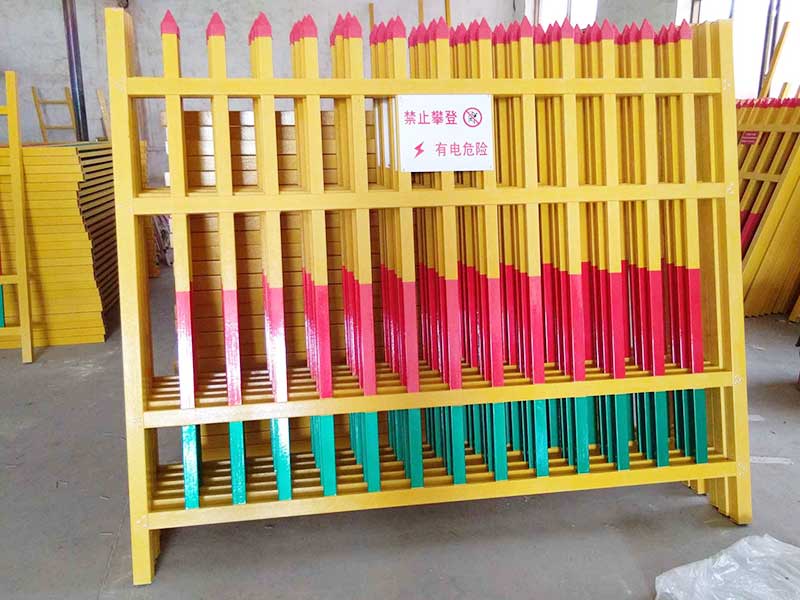
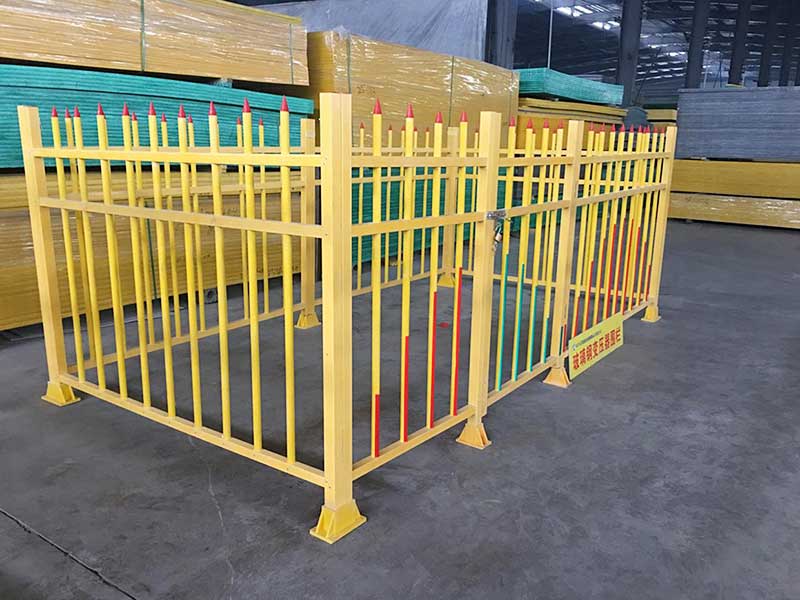
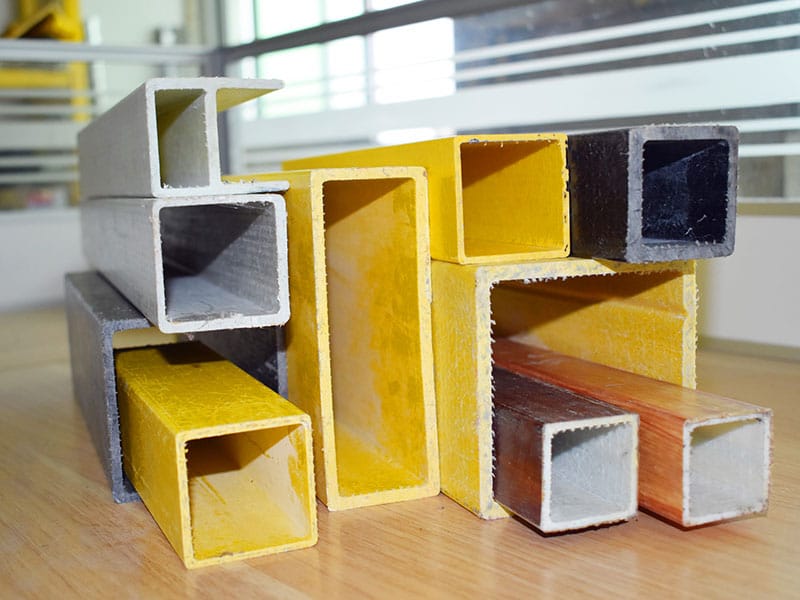
FRP fencing (Fiberglass Reinforced Plastic fencing) is a composite structure made from glass fiber reinforcement embedded in a resin matrix. Unlike metal systems, it does not rely on surface coating to resist environmental damage.
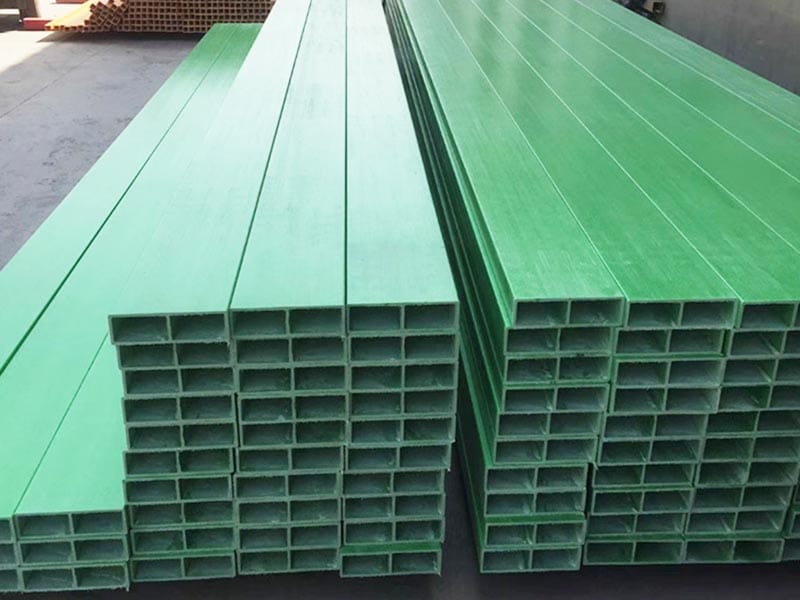
From a production standpoint, the profiles are formed through continuous molding processes that create consistent structural shapes. What matters more than the manufacturing process, however, is how the material performs after installation.
In field conditions, FRP fencing tends to show three consistent behaviors:
- It does not oxidize when exposed to moisture or air
- It maintains structural stability in chemically aggressive environments
- It does not require protective surface repainting cycles
These characteristics make it particularly suitable for environments where access for maintenance is limited or costly in terms of downtime.
Steel Fencing in Industrial Environments: Why Performance Changes over Time
Steel fencing is widely used because of its initial rigidity and mechanical strength. However, its long-term behavior depends heavily on protective coatings and environmental conditions.
In practical applications, steel fencing typically goes through a predictable cycle:
- Initial high structural strength
- Dependence on coating integrity
- Gradual surface corrosion once coating is compromised
- Increasing maintenance frequency over time
In environments with humidity, salt exposure, or chemical vapor, this degradation process tends to accelerate. The result is not immediate failure, but a gradual increase in maintenance requirements and inspection frequency.
The Real Comparison: FRP Fencing Vs Steel Fencing in Long-Term Operation
Instead of focusing only on material properties, it is more useful to compare how both systems behave over several years of service.
Environmental Response
FRP fencing remains stable under continuous exposure to moisture, chemicals, and UV radiation. Steel fencing, on the other hand, depends on external protection layers that can deteriorate under the same conditions.
Structural Stability
Steel retains high rigidity but is vulnerable to surface degradation. FRP maintains consistent structural performance without corrosion-related weakening.
Maintenance Behavior
This is where the difference becomes more practical than theoretical. Steel fencing requires periodic surface treatment, while fencing generally does not rely on repainting or anti-corrosion coating cycles.
Installation Considerations
FRP fencing systems are lighter, which simplifies handling during installation. Steel systems require more structural support and equipment during setup, especially in large-scale industrial sites.
Why Industries Are Shifting Toward FRP Fencing Systems
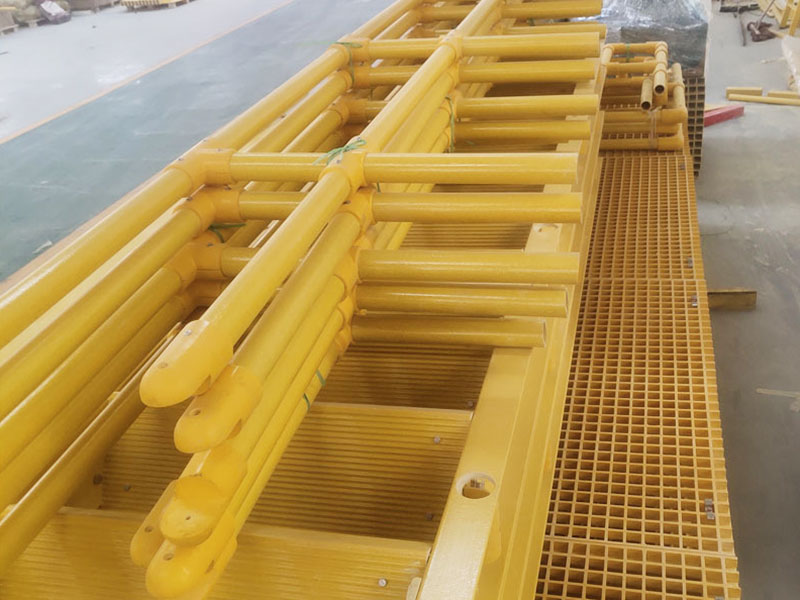
Across industrial sectors, material selection is increasingly driven by lifecycle efficiency rather than upfront considerations.
FRP fencing is being adopted more frequently in projects where long-term stability matters more than initial material familiarity.
Several practical reasons explain this shift:
- Reduced dependency on corrosion protection systems
- Better performance in chemically aggressive environments
- Lower operational interruption caused by maintenance
- Stable structural behavior in coastal and offshore zones
This is particularly relevant in infrastructure where fencing is part of a broader safety system rather than a standalone installation.
Where FRP Fencing Is Actually Used in Modern Infrastructure
Instead of treating FRP fencing as a general-purpose product, it is more accurate to view it as a specialized industrial system.
Common application environments include:
- Chemical processing facilities with continuous exposure to reactive substances
- Power generation sites requiring non-conductive perimeter systems
- Marine environments where salt exposure is constant
- Water treatment infrastructure with high humidity and chemical interaction
- Mining and heavy industrial zones with harsh operational conditions
In these environments, material stability is often more important than mechanical strength alone.
Design Flexibility: Why FRP Fencing Is Not a Fixed-Standard System
One of the less discussed advantages of FRP fencing is its adaptability during project design.
Unlike traditional metal fencing, FRP systems can be configured based on:
- Structural height requirements
- Panel density and visibility control needs
- Environmental exposure levels
- Site-specific safety regulations
This makes it easier to integrate into engineering projects where standard fencing formats do not fully match operational requirements.
Maintenance Reality: What Changes After Installation
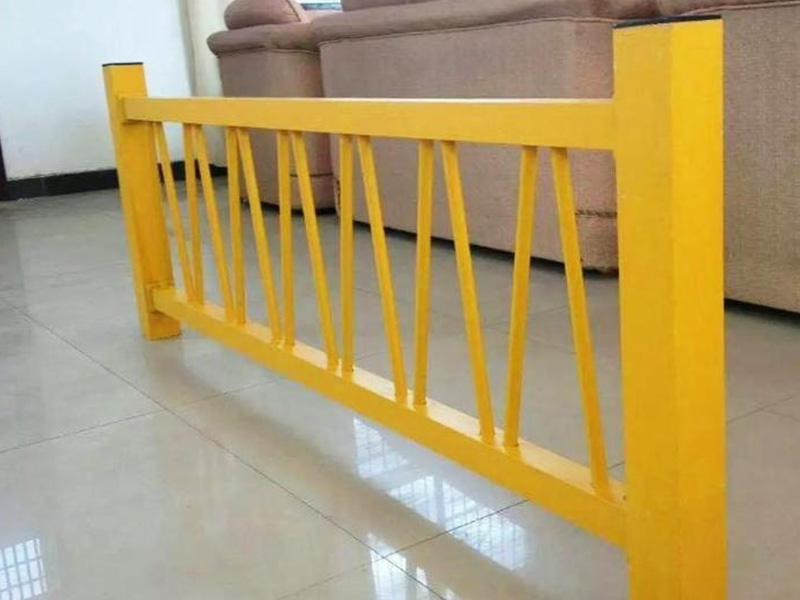
In long-term operation, maintenance is where FRP fencing and steel fencing diverge most clearly.
Steel fencing maintenance is typically driven by surface condition monitoring. Once corrosion begins, intervention becomes necessary to prevent structural degradation.
FRP fencing maintenance, in most cases, is limited to:
- Visual inspection of joints and supports
- Checking structural alignment over time
- Basic cleaning in dusty or industrial environments
The key difference is that FRP does not require restoration of protective layers.
Manufacturing Perspective: Why Consistency Matters More Than Material Name
From a manufacturing standpoint, FRP fencing performance depends heavily on process control rather than just raw material selection.
Critical factors include:
- Fiber alignment consistency
- Resin curing stability
- Profile dimensional accuracy
- Structural load distribution design
This is why sourcing from a manufacturer with stable production systems is more important than focusing only on material type.
Industrial Trend Direction: Where Fencing Materials Are Heading
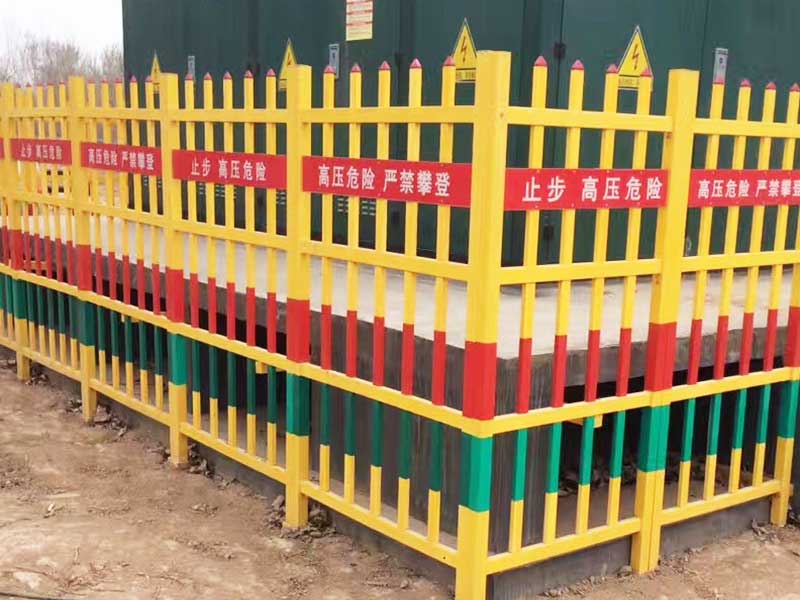
Across global infrastructure development, there is a visible shift toward corrosion-resistant composite materials.
This shift is not driven by aesthetics or novelty, but by operational efficiency requirements:
- Longer service life in exposed environments
- Reduced dependency on maintenance labor cycles
- Improved performance stability in unpredictable conditions
- Compatibility with modern industrial safety standards
FRP fencing fits naturally into this transition because it addresses environmental degradation at the material level rather than through surface treatment.
Conclusion
The comparison between FRP fencing and steel fencing is ultimately a comparison between two different engineering philosophies.
Steel fencing relies on protection and maintenance to preserve performance. FRP fencing relies on material stability to reduce the need for ongoing intervention.
In environments where corrosion, chemical exposure, or coastal conditions are present, fencing provides a more stable long-term structure with fewer operational dependencies. Steel fencing still has its place in certain controlled environments, but its performance is more sensitive to external conditions over time.
For industrial projects where reliability and lifecycle stability are priorities, FRP fencing has become a practical alternative rather than a niche solution.
FAQ
What is FRP fencing and why is it used in industrial projects?
FRP fencing is a composite system made of fiberglass reinforcement and resin, valued for its corrosion resistance, lightweight structure, and durability in harsh industrial environments.
How does FRP fencing compare to steel fencing?
FRP fencing is more resistant to corrosion, requires less maintenance, and maintains structural stability under chemicals, UV exposure, and coastal conditions, while steel depends on protective coatings.
Where is FRP fencing commonly applied?
It is widely used in chemical plants, power facilities, water treatment sites, marine infrastructure, and mining zones due to its durability and environmental resistance.
What maintenance does fencing require?
Maintenance is minimal, typically limited to visual inspection, structural alignment checks, and occasional cleaning, without the need for repainting or corrosion protection.
How can I choose a reliable FRP fencing manufacturer?
Look for manufacturers with stable production processes, consistent quality control, engineering support for customization, and experience in supplying industrial-grade composite systems.