Table of Contents
Introduction
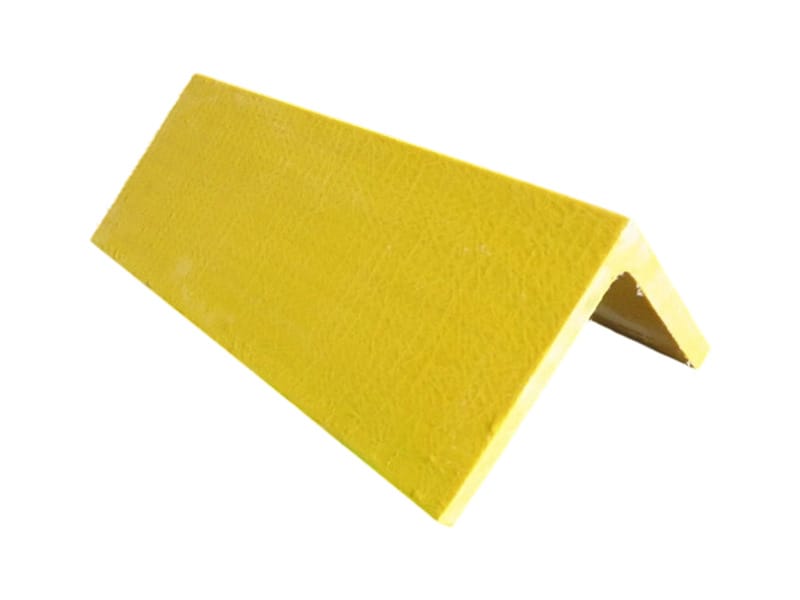
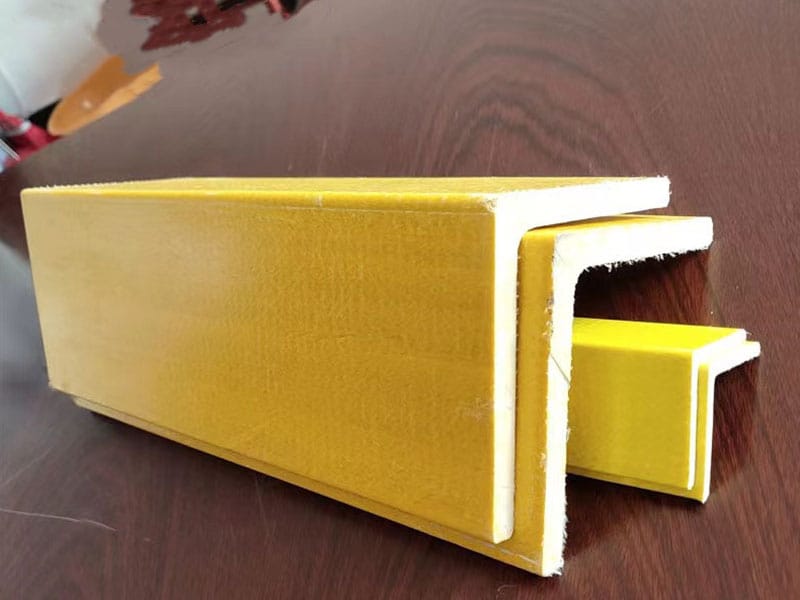
Over the past few years, material selection in industrial construction has started to shift in a very practical direction. Instead of relying on traditional steel by default, more engineers are turning to composite structural profiles—especially FRP angle bars (fiberglass reinforced plastic angle sections)—for environments where durability matters more than conventional strength alone.
This change is not driven by trends, but by recurring problems in real projects: corrosion in chemical plants, high maintenance demand in coastal facilities, and structural fatigue in long-term outdoor exposure. In these situations, FRP materials have proven to be a more stable option over time.
FRP angle bars are now commonly used in:
- Chemical processing environments
- Marine and offshore structures
- Power and utility systems
- Water treatment infrastructure
What makes them relevant is not only the material itself, but how it behaves under long-term stress conditions where steel typically requires continuous protection.
How FRP Angle Bars Are Manufactured (And Why It Matters)
Unlike metal profiles that are rolled or welded, FRP angle bars are formed through a continuous pultrusion process. This method pulls reinforcing fibers through resin and a heated die to create a consistent structural profile.
In practical terms, this manufacturing approach leads to:
- Stable geometry across long production runs
- Predictable mechanical performance
- Controlled fiber alignment for strength direction
- Reduced internal defects compared to traditional forming
Typical material composition includes glass fiber reinforcement combined with thermoset resin systems such as polyester or vinyl ester. The resin selection is usually adjusted based on the working environment—especially where chemical exposure or moisture resistance is required.
One detail that is often overlooked is surface protection. Many FRP angle bars include a surface layer designed to reduce UV degradation, which is important for long-term outdoor exposure.
Why Engineers Are Moving Away from Steel in Certain Projects
Steel is still widely used, but in specific environments it has clear limitations that show up over time.
The main issue is not strength—it is degradation.
FRP angle bars solve several recurring problems:
Corrosion behavior
Steel requires coatings or repainting to resist corrosion. In aggressive environments, these protections eventually fail. FRP materials do not rust, which removes one of the most frequent maintenance cycles in industrial structures.
Weight handling in real projects
Because FRP profiles are significantly lighter, installation often requires fewer heavy lifting operations. This is especially relevant in retrofit projects or elevated structures.
Electrical behavior
FRP is non-conductive. In electrical or power-related installations, this reduces the need for additional insulation layers.
Long-term maintenance load
Instead of repeated surface treatment, FRP structures typically require inspection-based maintenance rather than corrective maintenance.
These factors do not replace steel universally, but they explain why FRP is increasingly specified in selective industrial environments.
Corrosion Performance in Real Industrial Conditions
Corrosion resistance is where FRP angle bars show their most practical advantage.
In chemical facilities, exposure to acids and alkalis can gradually weaken metallic structures, even when coatings are applied. FRP materials are inherently resistant to this type of chemical attack.
In marine environments, saltwater exposure accelerates oxidation in steel systems. This is one of the most common failure mechanisms in coastal infrastructure. FRP avoids this issue entirely because there is no metal oxidation process involved.
Typical environments where FRP performs consistently include:
- Coastal structural systems exposed to salt spray
- Chemical storage and processing zones
- Industrial wastewater facilities
- Offshore platforms with continuous moisture exposure
What makes this important is not just durability, but reduced intervention frequency over the lifecycle of the structure.
Structural Behavior and Load Performance in Engineering Use
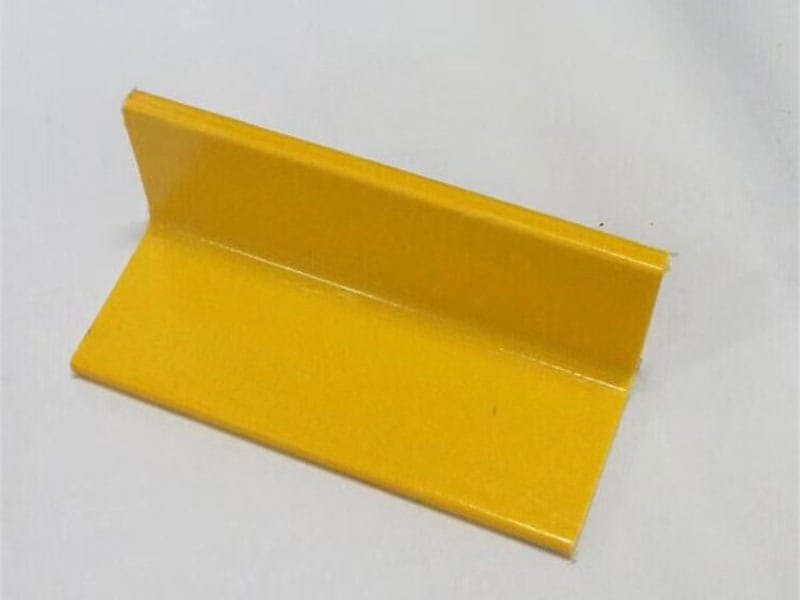
There is often a misunderstanding that composite materials are “weaker” than steel. In practice, FRP angle bars are engineered differently rather than directly compared on a one-to-one basis.
Their strength is directional, meaning performance is optimized along fiber alignment.
In real engineering applications, FRP angle bars are used for:
- Platform framing systems
- Support structures for cable trays
- Lightweight structural bracing
- Modular industrial walkways
Key performance characteristics include:
- Good tensile strength along fiber direction
- Resistance to fatigue under repeated load cycles
- Stable performance under vibration
- No permanent deformation under normal design load conditions when properly specified
Engineering design typically focuses more on configuration than raw material strength alone.
Where FRP Angle Bars Are Being Used Today
Across industrial sectors, FRP angle bars are being adopted in areas where maintenance access is difficult or costly.
Common applications include:
- Industrial maintenance platforms
- Cooling tower structural systems
- Cable support structures in energy facilities
- Wastewater treatment frameworks
- Offshore and marine structural assemblies
A noticeable trend is the increasing use in modular industrial construction, where prefabricated components reduce installation time on site.
Another emerging use is in renewable energy infrastructure, where corrosion resistance and electrical insulation are both required.
Lifecycle Cost Thinking Instead of Short-Term Material Choice
In many industrial projects, the decision is no longer based on initial material selection alone. Instead, engineers and procurement teams increasingly evaluate how often a structure will require intervention.
FRP angle bars are typically selected when:
- Maintenance access is limited
- Downtime has operational impact
- Environmental exposure is continuous
- Structural longevity is a priority
Instead of focusing on replacement cycles, the design approach shifts toward stability over time.
This is one of the reasons composite materials are gaining attention in infrastructure planning discussions.
Choosing a Reliable FRP Angle Bar Manufacturer
From a sourcing perspective, consistency matters more than specification sheets alone.
A reliable manufacturing partner should demonstrate:
- Stable pultrusion production capability
- Controlled raw material sourcing
- Consistent dimensional accuracy across batches
- Ability to support project-based customization
- Understanding of industrial application requirements
In many engineering projects, material inconsistency creates more issues than design itself. That is why production control is often a key evaluation point.
Installation Considerations in Practical Use
FRP angle bars are generally easier to handle than steel components, but installation practices still matter.
In field applications:
- Cutting should be done using tools suitable for composites
- Fastening systems should avoid excessive localized stress
- Support spacing must follow structural design guidance
- Handling should prevent surface damage during assembly
One practical advantage is that installation teams often require less heavy lifting equipment, especially in elevated or confined environments.
Sustainability Perspective in Modern Construction
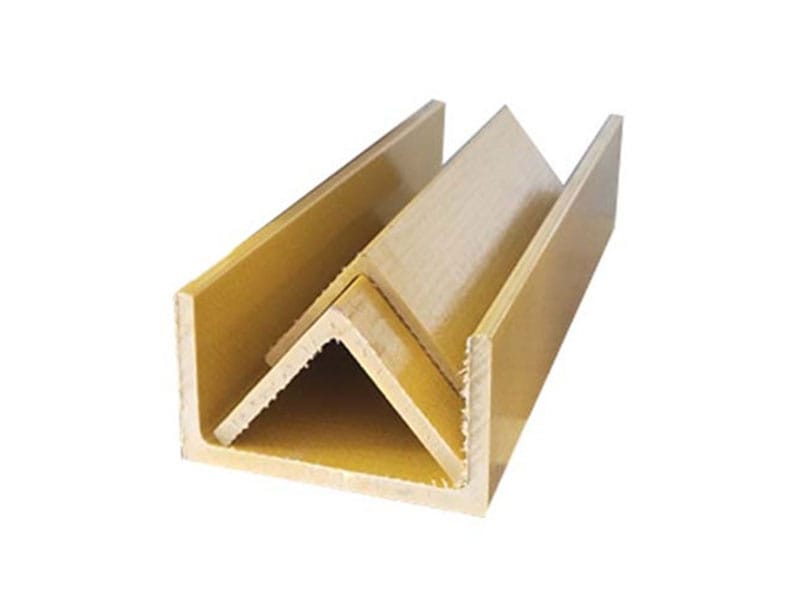
Sustainability is increasingly influencing material selection, especially in large infrastructure projects.
FRP materials contribute in several indirect ways:
- Reduced material replacement frequency over time
- Lower maintenance intervention requirements
- Efficient use of material in lightweight structural design
- Long service life in demanding environments
While not positioned as a “green marketing feature,” these factors align with current infrastructure planning priorities focused on durability and reduced lifecycle disruption.
Conclusion
The shift toward FRP angle bars is not a replacement trend in the traditional sense—it is a response to specific engineering challenges that steel cannot always solve efficiently in harsh environments.
When corrosion, maintenance access, and long-term stability become critical design factors, fiberglass reinforced structural profiles provide a practical alternative that performs consistently over time.
For industrial projects where reliability and lifecycle performance matter more than short-term material conventions, FRP angle bars are increasingly becoming a standard engineering consideration rather than a niche solution.
FAQ
What are FRP angle bars used for in industrial construction?
FRP angle bars are commonly used for structural support systems such as platforms, walkways, cable trays, and framing structures in chemical plants, marine environments, and power facilities where corrosion resistance is required.
How do FRP angle bars perform compared to steel?
FRP angle bars offer strong corrosion resistance, lower weight, and reduced maintenance requirements compared to steel. While steel may have higher raw strength, FRP performs better in harsh chemical or coastal environments over time.
Can FRP angle bars be used outdoors?
Yes. FRP angle bars are suitable for outdoor applications due to their resistance to moisture, UV exposure, and corrosion. Many designs also include surface protection layers to improve long-term durability.
Are FRP angle bars strong enough for structural use?
Yes. When properly engineered, FRP angle bars provide reliable load-bearing performance for industrial applications. Their strength is optimized through fiber alignment and pultrusion manufacturing technology.
What industries commonly use FRP angle bars?
They are widely used in chemical processing, wastewater treatment, marine engineering, power generation, and offshore structures where traditional metal materials face corrosion or maintenance challenges.