Fence installation is a linear civil work with repeated tolerances. Small post errors compound until panels no longer fit or gates refuse to close. A workable FRP fence installation decision has to survive design review, installation and later maintenance. This guide is organized to give industrial contractors a practical sequence for surveying, founding, aligning and handing over FRP fencing, while making responsibilities and assumptions visible.
Readers should finish with questions they can put to a designer, supplier or installer. Starting from “Survey the Fence Line and Boundaries,” the article follows the points that most directly affect this H1 topic.
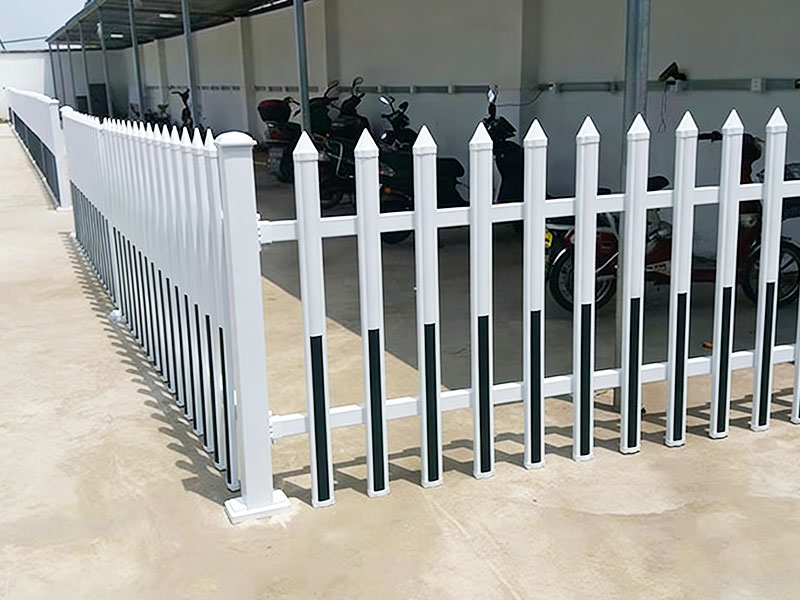
Survey the Fence Line and Boundaries
Confirm legal or project limits, offsets, corners, levels and tie-in points. Mark locations where drainage, equipment or access interrupts the run. Assign responsibility for “Survey the Fence Line and Boundaries” in the FRP fence installation scope instead of leaving the interface between trades undefined.
Locate Buried Services Before Excavation
Complete required utility locating and permits before post holes. Adjustments should be reviewed against security and clearance requirements. Use “Locate Buried Services Before Excavation” as a FRP fence installation hold point when later work would conceal the condition or make correction difficult.
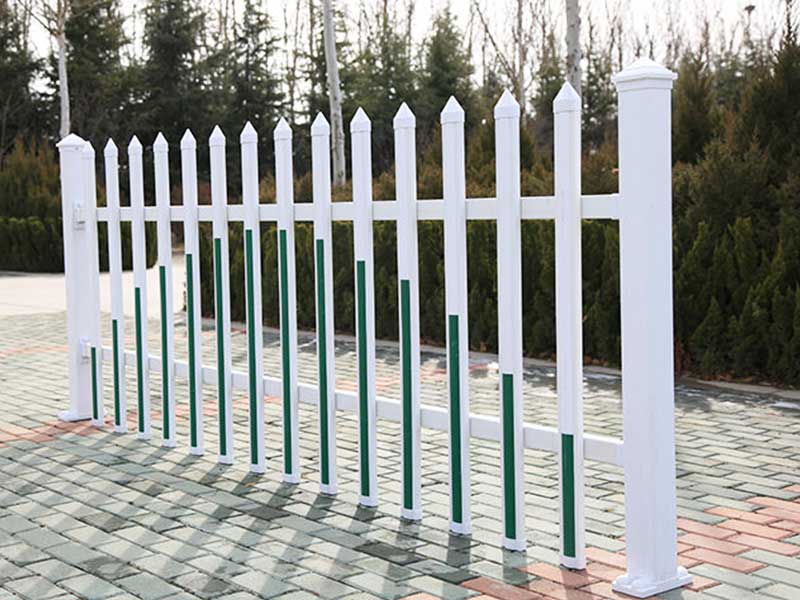
Build Post Foundations for Soil and Loads
Use the approved diameter, depth, reinforcement and concrete details. Control post position while the foundation gains strength. Link the FRP fence installation decision on “Build Post Foundations for Soil and Loads” to the relevant dimension, calculation assumption or inspection record.
Install Panels in a Controlled Sequence
Begin from verified corners or gate posts and check cumulative dimensions. Support panels without forcing them into misaligned bays. For this topic, make “Install Panels in a Controlled Sequence” a checked item on the drawing or schedule before fabrication.
FRP Guardrails and Fences decision table
| Project decision | Evidence to request | Risk if unresolved |
|---|---|---|
| Survey the Fence Line and Boundaries | Confirm legal or project limits, offsets, corners, levels and tie-in points | one trade solving its own issue by creating a conflict for another |
| Locate Buried Services Before Excavation | Complete required utility locating and permits before post holes | a small detailing error repeated across every unit |
| Build Post Foundations for Soil and Loads | Use the approved diameter, depth, reinforcement and concrete details | missing baseline information for later inspection and replacement |
| Install Panels in a Controlled Sequence | Begin from verified corners or gate posts and check cumulative dimensions | a catalog assumption being used in place of the installed condition |
Maintain Line, Level and Consistent Clearance
Use survey control rather than judging long runs by eye. Check bottom gaps, stepped terrain and interfaces at walls or curbs. The FRP fence installation review should close “Maintain Line, Level and Consistent Clearance” with measurable acceptance information rather than a general supplier statement.
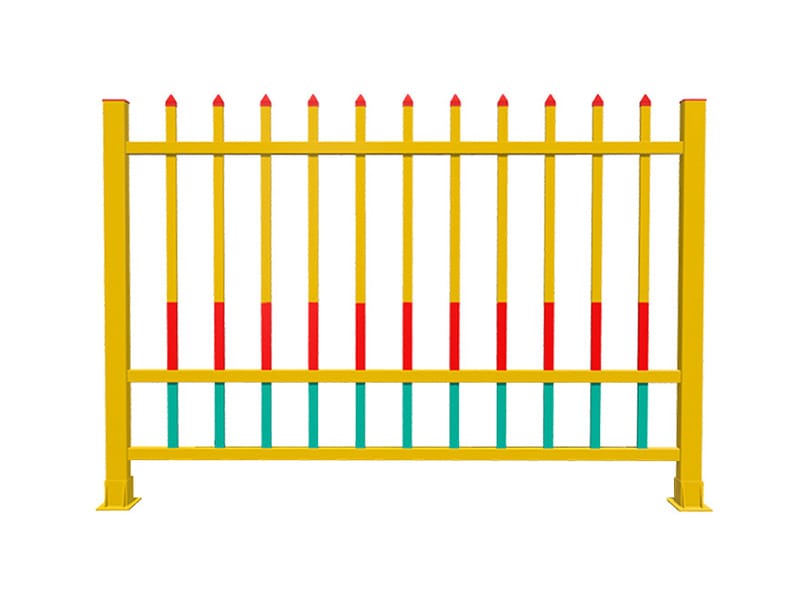
Set Gates After the Supporting Posts Are Stable
Verify opening, swing, stops, latch, access control and vehicle clearance. Adjust hardware without weakening posts or panels. Record how FRP fence installation addresses “Set Gates After the Supporting Posts Are Stable” so site changes can be compared with the approved basis.
Finish Fasteners, Holes and Field Cuts
Use specified hardware and tightening practice, and treat cut surfaces. Remove sharp edges, drilling debris and temporary restraints. Assign responsibility for “Finish Fasteners, Holes and Field Cuts” in the FRP fence installation scope instead of leaving the interface between trades undefined.
Walk the Full Perimeter at Handover
Check continuity, foundations, alignment, gates, labels, damage and access interfaces. Record as-built deviations and removable sections. Use “Walk the Full Perimeter at Handover” as a FRP fence installation hold point when later work would conceal the condition or make correction difficult.
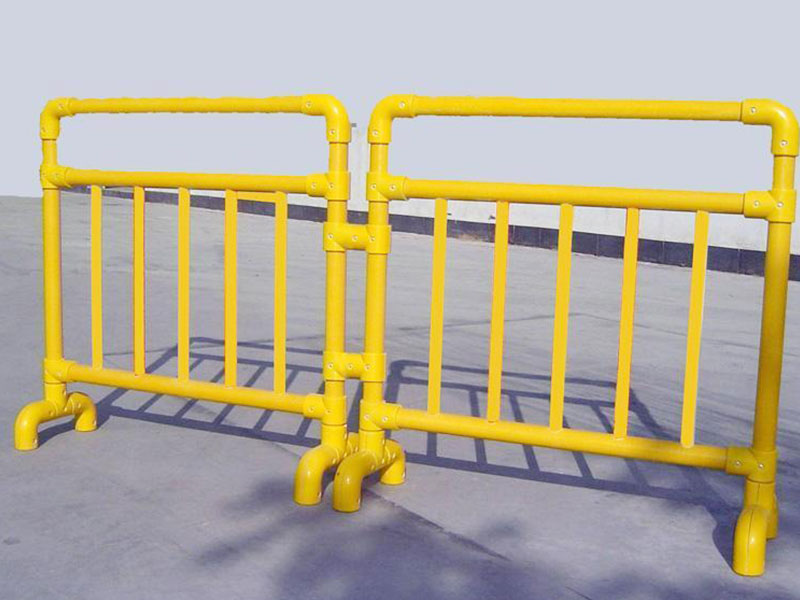
Documenting FRP Guardrails and Fences decisions
A procurement package for FRP fence installation should make the design basis behind “Walk the Full Perimeter at Handover” reviewable. The exact submittals depend on scope, but the owner should be able to identify what was selected, why it was selected and how the installed work was accepted. Avoid asking for unrelated certificates simply to make the package look complete.
- A dimensioned layout showing the orientation and interfaces of FRP fence installation.
- The stated loads, exposure conditions and operating assumptions used for FRP fence installation.
- Product data and material descriptions that correspond to the offered configuration.
- Connection, foundation, support or installation details within the supplier’s scope.
- Inspection, test, handling and maintenance information relevant to the finished work.
FRP Guardrails and Fences: standards and design responsibility
Requirements for “Locate Buried Services Before Excavation” vary by location, facility and duty. A project review may draw on OSHA walking-working surfaces, OSHA fall protection, OSHA electrical safety and NIST engineering resources. These links provide authoritative starting points; the responsible professional must decide what applies to FRP fence installation and use the current edition required by the project.
Five practical questions about FRP fence installation
Why should a team address survey the fence line and boundaries for FRP fence installation?
Confirm legal or project limits, offsets, corners, levels and tie-in points. Mark locations where drainage, equipment or access interrupts the run. In a FRP fence installation project, the answer should be recorded in a drawing, calculation, approved submittal or inspection note appropriate to the decision. If the necessary site information is unavailable, state the assumption and identify who must close it before work proceeds.
How should a designer address locate buried services before excavation for FRP fence installation?
Complete required utility locating and permits before post holes. Adjustments should be reviewed against security and clearance requirements. In a FRP fence installation project, the answer should be recorded in a drawing, calculation, approved submittal or inspection note appropriate to the decision. If the necessary site information is unavailable, state the assumption and identify who must close it before work proceeds.
When should a contractor address build post foundations for soil and loads for FRP fence installation?
Use the approved diameter, depth, reinforcement and concrete details. Control post position while the foundation gains strength. In a FRP fence installation project, the answer should be recorded in a drawing, calculation, approved submittal or inspection note appropriate to the decision. If the necessary site information is unavailable, state the assumption and identify who must close it before work proceeds.
What evidence helps a buyer address install panels in a controlled sequence for FRP fence installation?
Begin from verified corners or gate posts and check cumulative dimensions. Support panels without forcing them into misaligned bays. In a FRP fence installation project, the answer should be recorded in a drawing, calculation, approved submittal or inspection note appropriate to the decision. If the necessary site information is unavailable, state the assumption and identify who must close it before work proceeds.
How can an owner address maintain line, level and consistent clearance for FRP fence installation?
Use survey control rather than judging long runs by eye. Check bottom gaps, stepped terrain and interfaces at walls or curbs. In a FRP fence installation project, the answer should be recorded in a drawing, calculation, approved submittal or inspection note appropriate to the decision. If the necessary site information is unavailable, state the assumption and identify who must close it before work proceeds.
FRP Guardrails and Fences decision record and handover
A strong FRP fence installation article should connect “Survey the Fence Line and Boundaries” to a better project brief, and a strong project brief should lead to evidence. Record the selected configuration, controlling loads or operating conditions, exposure, interfaces, installation limits and acceptance checks. That record is more valuable than a broad claim that one material or product is suitable for every site.
Review the FRP Guardrails and Fences product information, browse the FRP product range, compare this topic with the related guide How to Select FRP Rectangular Tube for Structural Frames, and read why FRP is used in demanding environments. To discuss drawings or service conditions for FRP fence installation, contact the XPFRP project team.