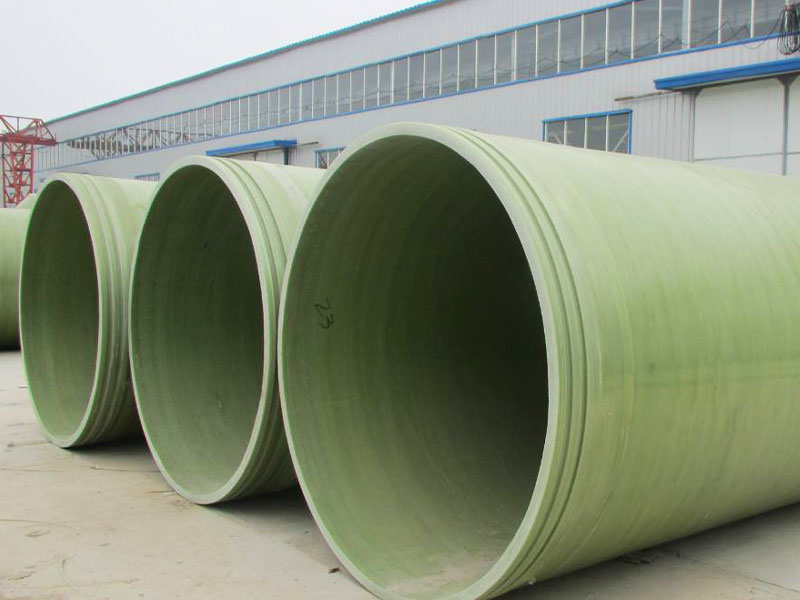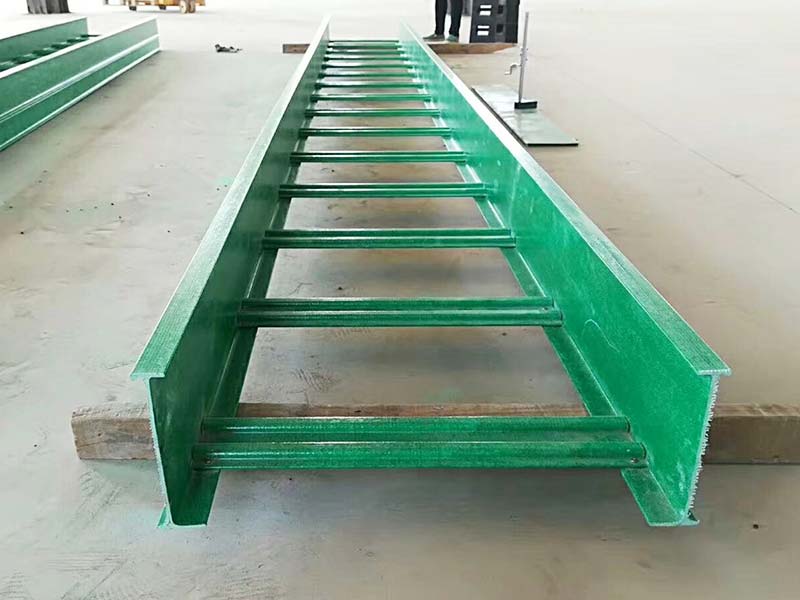
FRP piping is not supported by copying a steel-pipe spacing table. Pipe stiffness, joint type, fluid weight and local contact stress all affect the support scheme. A workable FRP pipe support decision has to survive design review, installation and later maintenance. This guide is organized to help piping teams develop supports from pipe flexibility, thermal movement and concentrated component loads, while making responsibilities and assumptions visible.
Readers should finish with questions they can put to a designer, supplier or installer. Starting from “Classify Each Line and Operating Case,” the article follows the points that most directly affect this H1 topic.
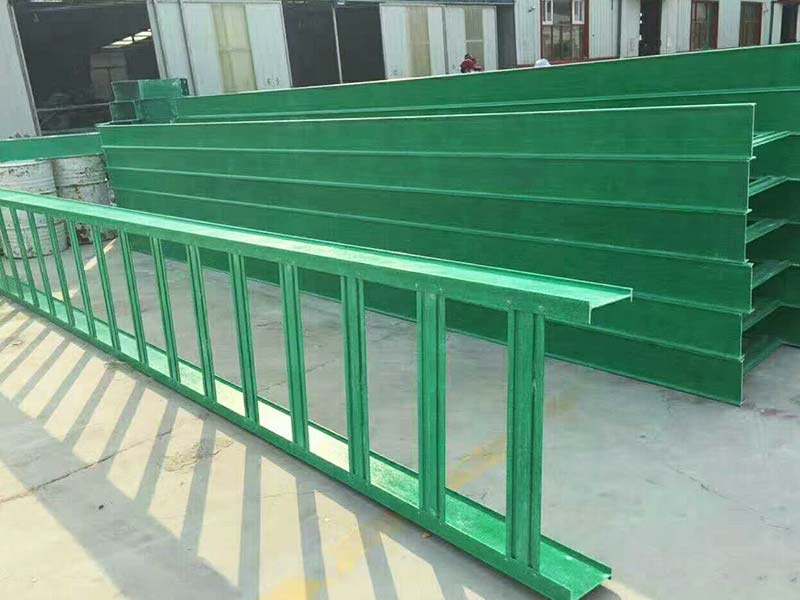
Classify Each Line and Operating Case
Record pipe size, laminate or product data, fluid density, operating temperature, test condition and empty condition. Include credible upset loads where required. Assign responsibility for “Classify Each Line and Operating Case” in the FRP pipe support scope instead of leaving the interface between trades undefined.
Determine Spans From Pipe-System Behavior
Use manufacturer data or engineering analysis for the actual pipe and temperature. Check deflection, bending stress and joint rotation rather than adopting one universal interval. Use “Determine Spans From Pipe-System Behavior” as a FRP pipe support hold point when later work would conceal the condition or make correction difficult.
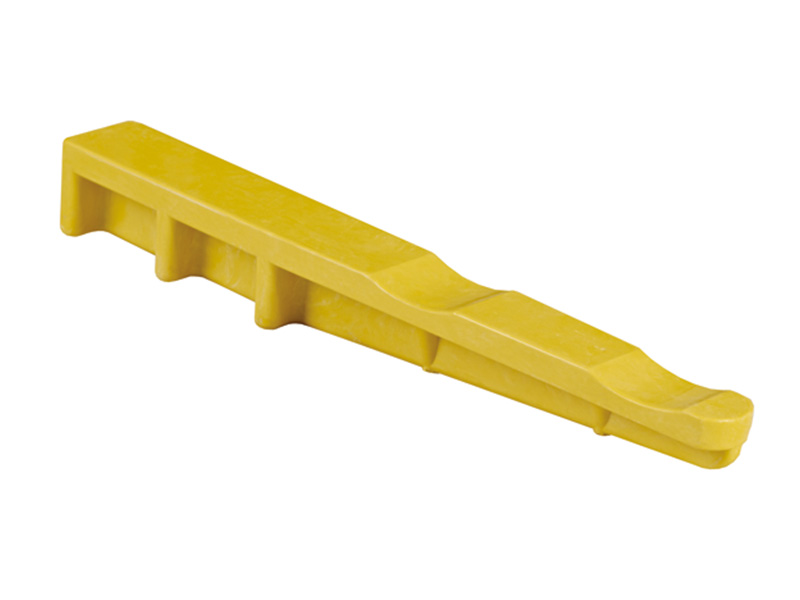
Place Anchors, Guides and Slides Intentionally
Define which points restrain axial, lateral and vertical movement. A support should not become an accidental anchor because of friction or misalignment. Link the FRP pipe support decision on “Place Anchors, Guides and Slides Intentionally” to the relevant dimension, calculation assumption or inspection record.
Accommodate Thermal Expansion
Calculate movement between fixed points and provide loops, offsets or engineered expansion components. Check nozzle loads at connected equipment. For this topic, make “Accommodate Thermal Expansion” a checked item on the drawing or schedule before fabrication.
FRP Pipes and Fittings decision table
| Project decision | Evidence to request | Risk if unresolved |
|---|---|---|
| Classify Each Line and Operating Case | Record pipe size, laminate or product data, fluid density, operating temperature, test… | one trade solving its own issue by creating a conflict for another |
| Determine Spans From Pipe-System Behavior | Use manufacturer data or engineering analysis for the actual pipe and temperature | a small detailing error repeated across every unit |
| Place Anchors, Guides and Slides Intentionally | Define which points restrain axial, lateral and vertical movement | missing baseline information for later inspection and replacement |
| Accommodate Thermal Expansion | Calculate movement between fixed points and provide loops, offsets or engineered… | a catalog assumption being used in place of the installed condition |
Support Valves and Heavy Fittings
Concentrated component weight may require independent support. Avoid transferring valve operation forces through an unsupported pipe wall. The FRP pipe support review should close “Support Valves and Heavy Fittings” with measurable acceptance information rather than a general supplier statement.
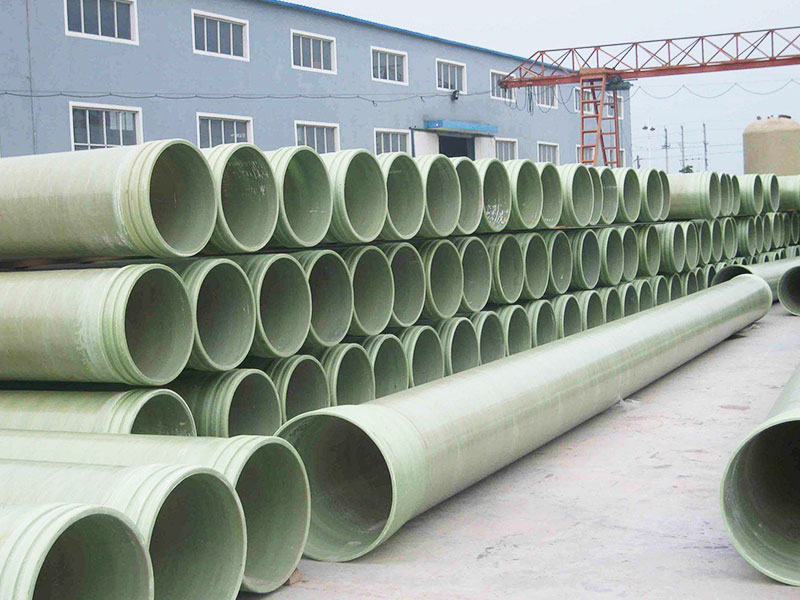
Use Saddles to Control Local Contact
Provide adequate support width and a compatible interface. Small contact areas can create local stress, wear or distortion. Record how FRP pipe support addresses “Use Saddles to Control Local Contact” so site changes can be compared with the approved basis.
Review Vibration and Transient Loads
Pumps, flow changes and water hammer can demand restraint beyond gravity support. Coordinate the support model with operating scenarios. Assign responsibility for “Review Vibration and Transient Loads” in the FRP pipe support scope instead of leaving the interface between trades undefined.
Coordinate Supports in the 3D Route
Resolve clashes, access, drainability and installation sequence. Issue support marks and reactions so structural and civil teams can design the receiving work. Use “Coordinate Supports in the 3D Route” as a FRP pipe support hold point when later work would conceal the condition or make correction difficult.
Documenting FRP Pipes and Fittings decisions
A procurement package for FRP pipe support should make the design basis behind “Coordinate Supports in the 3D Route” reviewable. The exact submittals depend on scope, but the owner should be able to identify what was selected, why it was selected and how the installed work was accepted. Avoid asking for unrelated certificates simply to make the package look complete.
- A dimensioned layout showing the orientation and interfaces of FRP pipe support.
- The stated loads, exposure conditions and operating assumptions used for FRP pipe support.
- Product data and material descriptions that correspond to the offered configuration.
- Connection, foundation, support or installation details within the supplier’s scope.
- Inspection, test, handling and maintenance information relevant to the finished work.
FRP Pipes and Fittings: standards and design responsibility
Requirements for “Determine Spans From Pipe-System Behavior” vary by location, facility and duty. A project review may draw on ASCE structural standards, ASTM D3917, ASTM D638 and OSHA walking-working surfaces. These links provide authoritative starting points; the responsible professional must decide what applies to FRP pipe support and use the current edition required by the project.
Five practical questions about FRP pipe support
Why should a team address classify each line and operating case for FRP pipe support?
Record pipe size, laminate or product data, fluid density, operating temperature, test condition and empty condition. Include credible upset loads where required. In a FRP pipe support project, the answer should be recorded in a drawing, calculation, approved submittal or inspection note appropriate to the decision. If the necessary site information is unavailable, state the assumption and identify who must close it before work proceeds.
How should a designer address determine spans from pipe-system behavior for FRP pipe support?
Use manufacturer data or engineering analysis for the actual pipe and temperature. Check deflection, bending stress and joint rotation rather than adopting one universal interval. In a FRP pipe support project, the answer should be recorded in a drawing, calculation, approved submittal or inspection note appropriate to the decision. If the necessary site information is unavailable, state the assumption and identify who must close it before work proceeds.
When should a contractor address place anchors, guides and slides intentionally for FRP pipe support?
Define which points restrain axial, lateral and vertical movement. A support should not become an accidental anchor because of friction or misalignment. In a FRP pipe support project, the answer should be recorded in a drawing, calculation, approved submittal or inspection note appropriate to the decision. If the necessary site information is unavailable, state the assumption and identify who must close it before work proceeds.
What evidence helps a buyer address accommodate thermal expansion for FRP pipe support?
Calculate movement between fixed points and provide loops, offsets or engineered expansion components. Check nozzle loads at connected equipment. In a FRP pipe support project, the answer should be recorded in a drawing, calculation, approved submittal or inspection note appropriate to the decision. If the necessary site information is unavailable, state the assumption and identify who must close it before work proceeds.
How can an owner address support valves and heavy fittings for FRP pipe support?
Concentrated component weight may require independent support. Avoid transferring valve operation forces through an unsupported pipe wall. In a FRP pipe support project, the answer should be recorded in a drawing, calculation, approved submittal or inspection note appropriate to the decision. If the necessary site information is unavailable, state the assumption and identify who must close it before work proceeds.
FRP Pipes and Fittings decision record and handover
A strong FRP pipe support article should connect “Classify Each Line and Operating Case” to a better project brief, and a strong project brief should lead to evidence. Record the selected configuration, controlling loads or operating conditions, exposure, interfaces, installation limits and acceptance checks. That record is more valuable than a broad claim that one material or product is suitable for every site.
Review the FRP Pipes and Fittings product information, browse the FRP product range, compare this topic with the related guide FRP Cooling Tower Maintenance Checklist for Plant Teams, and read why FRP is used in demanding environments. To discuss drawings or service conditions for FRP pipe support, contact the XPFRP project team.