xinpengfrp@gmail.com
xinpengfrp@gmail.com
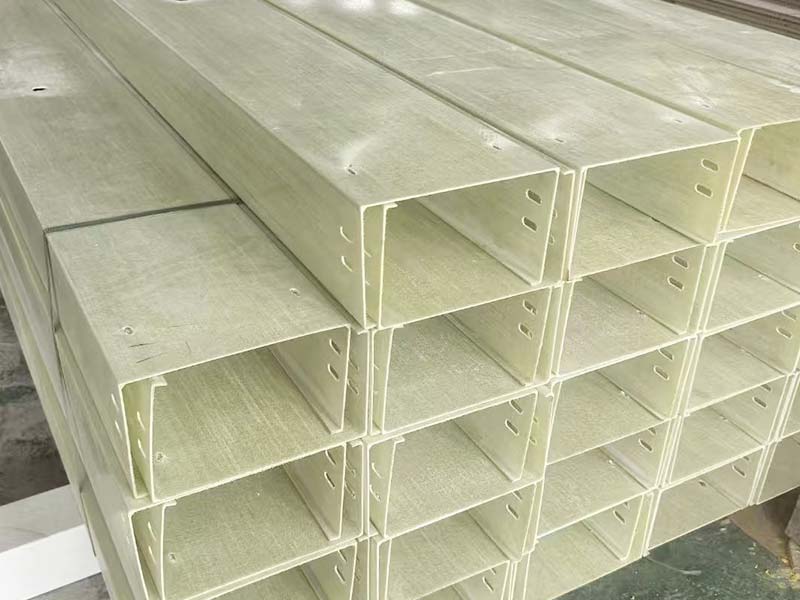
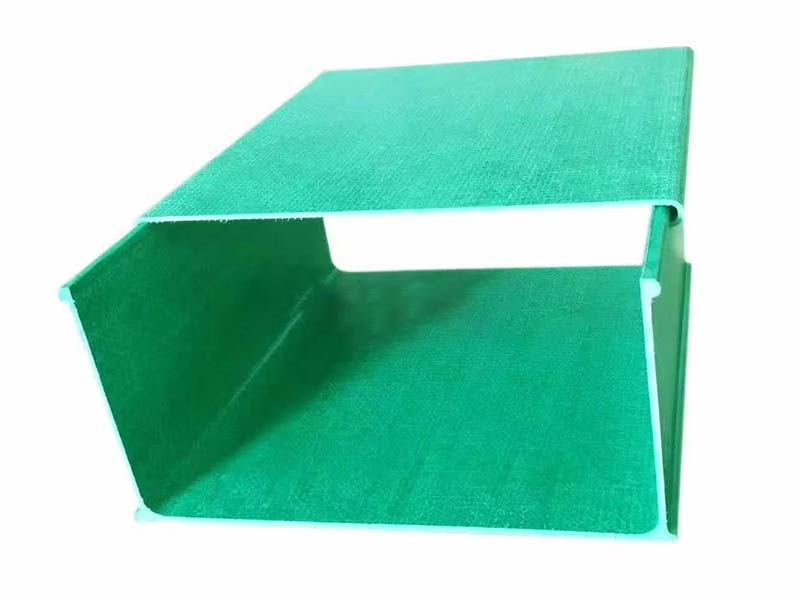
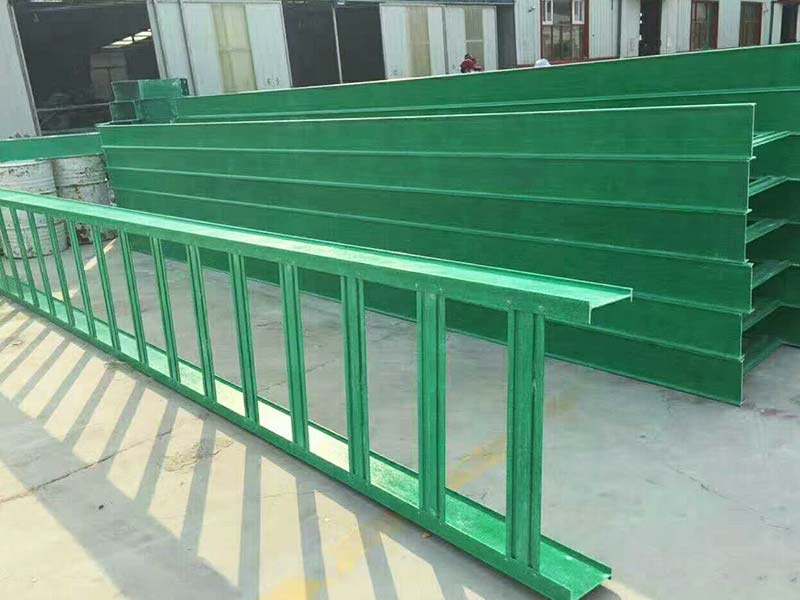
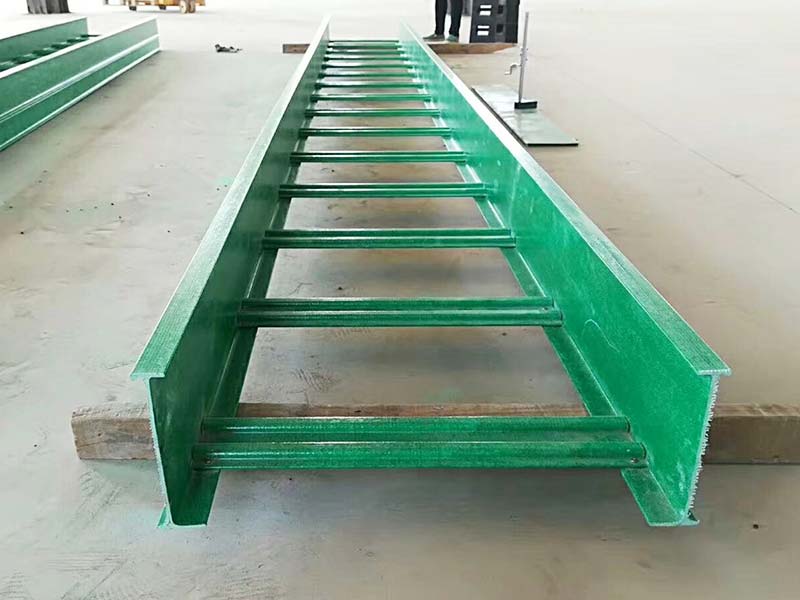
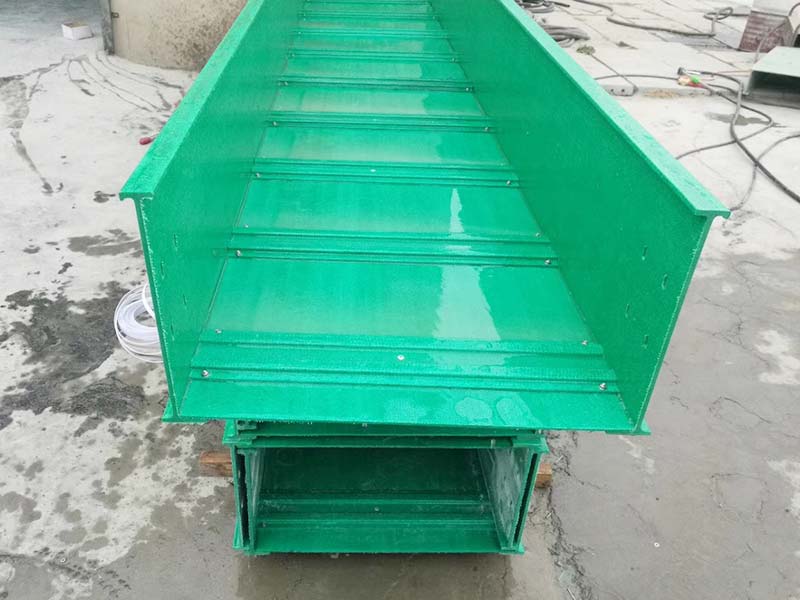
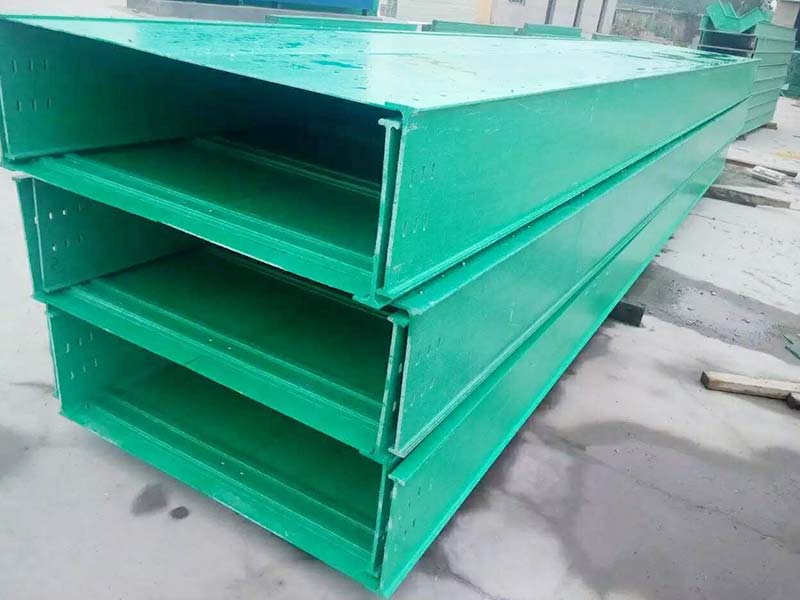
FRP cable trays possess both the rigidity of metal trays and the toughness of fiberglass trays, offering excellent corrosion resistance and strong anti-aging properties. They are widely utilized in sectors such as petroleum, chemical engineering, electric power, light industry, and telecommunications.
Corrosion Resistance
Lightweight & High Strength
Durable and Reliable
Flexible Customization
FRP cable trays possess both the rigidity of metal trays and the toughness of FRP trays, offering excellent corrosion resistance and strong anti-aging properties. They are widely applicable across various sectors, including petroleum, chemical engineering, electric power, light industry, broadcasting, and telecommunications.
Characterized by high mechanical strength, these trays combine the rigidity of metal with the resilience of FRP. They feature superior corrosion resistance, strong resistance to aging, aesthetic appeal, ease of installation, and a long service life. Epoxy resin and epoxy-composite FRP cable trays are particularly well-suited for use in highly corrosive environments, as well as in applications involving large spans and heavy loads.
· Model Designation System for Epoxy Resin and Epoxy-Composite Cable Trays:
The model designation system for epoxy resin and epoxy-composite cable trays is categorized structurally as follows:
1. Trough Type (C) 2. Ladder Type (T) 3. Tray Type (P)
Model Designation System for Epoxy Resin and Epoxy-Composite Cable Trays (Continued):
· Selection of Specifications for Epoxy Resin and Epoxy-Composite Cable Trays:
The cable fill rate (utilization ratio) must not exceed the values stipulated in relevant standards; typically, a fill rate of 40–50% is recommended for power cables, while 50–70% is recommended for control cables. Additionally, a reserve margin of 10–25% should be allocated to accommodate future engineering expansion. Please refer to the table below for guidance on selecting the appropriate cross-sectional area of the cable tray. All bends, fittings, and accessories must be compatible with the specific engineering layout requirements and designed to integrate seamlessly with the selected cable tray system.
· Selection of Load Ratings for Epoxy Resin and Epoxy-Composite Cable Trays:
In addition to supporting their own weight, cable trays must be capable of bearing the mechanical load imposed by the wires and cables they contain. The actual working uniform load must not exceed the rated uniform load capacity of the selected load class. When subjected to its rated uniform load, the relative deflection of epoxy resin and epoxy-composite cable trays should not exceed 1/200 of the span length.
Excellent resistance to chemicals, moisture, and corrosion.
Lightweight with high load-bearing capacity.
Maintains performance over long-term use.
No rusting and minimal maintenance required.
Available in various sizes, structures, and specifications.
Provides better safety in industrial applications.