xinpengfrp@gmail.com
xinpengfrp@gmail.com
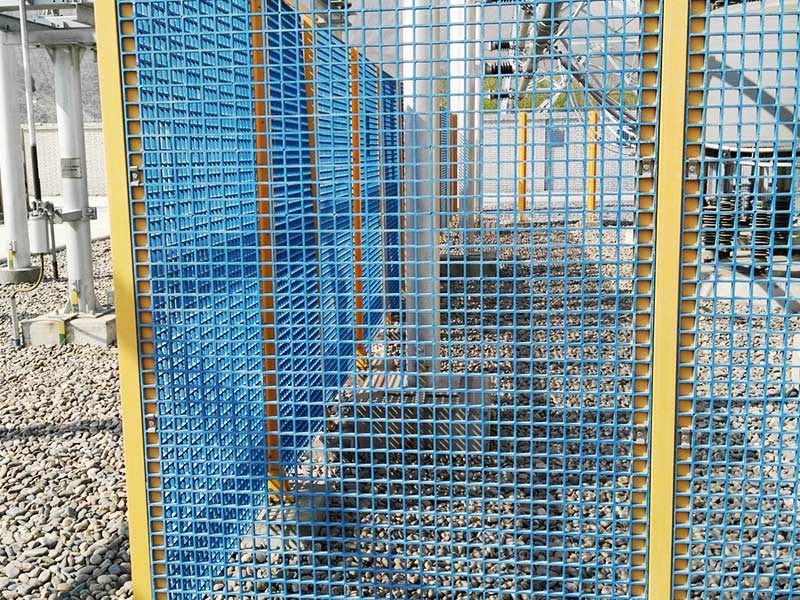
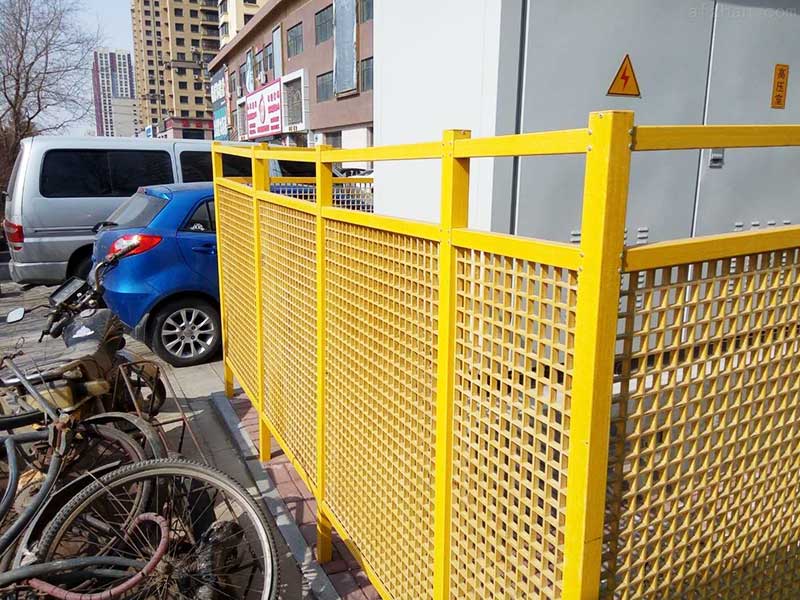
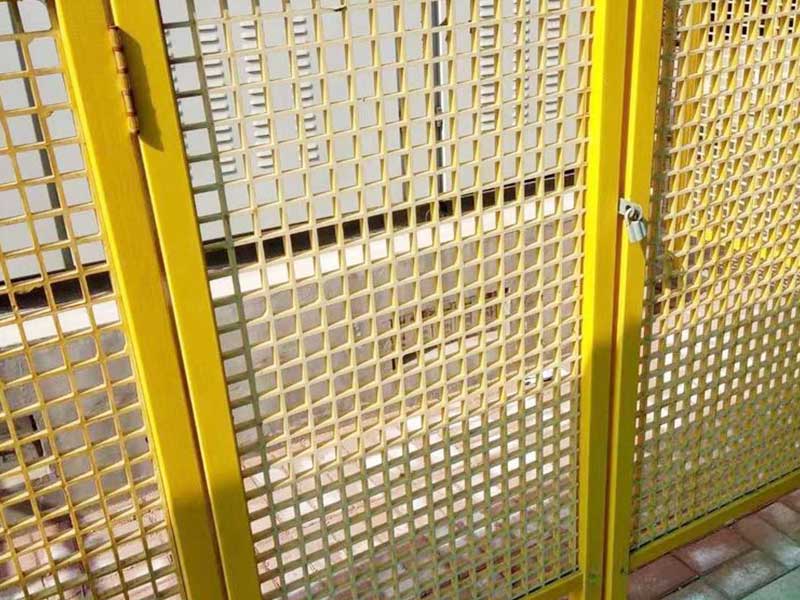
FRP grating fencing for power plants is a type of high-voltage-resistant safety barrier installed to ensure the safety of personnel working in live-operation environments, such as power plants. Constructed from fiberglass and resin, these safety barriers serve a vital warning function.
Corrosion Resistance
Lightweight & High Strength
Durable and Reliable
Flexible Customization
FRP grating fencing for power plants is a type of high-voltage-resistant safety barrier installed to ensure the safety of personnel working in live-operation environments, such as power plants. Constructed from fiberglass and resin, these safety barriers serve a vital warning function; indeed, the installation of such safety fencing is recognized as one of the essential technical measures for safeguarding on-site workers.
FRP grating fencing for power plants is constructed using square or round fiberglass tubes as the fundamental structural framework, with fiberglass grating serving as the primary protective surface. Various fasteners are then utilized to interconnect the individual components, resulting in a fully assembled barrier system. These fences are primarily deployed in substations, power plants, and areas housing high-voltage transmission lines, with the specific objective of preventing unauthorized entry by pedestrians and other individuals, thereby ensuring personnel safety.
1. Compared to metal guardrails, FRP (Fiber Reinforced Polymer) enclosures for transformers offer distinct advantages: corrosion resistance, aging resistance, and a long service life. They are lightweight yet possess high structural strength; even if subjected to impact forces exceeding their rated resistance limits, they will not undergo irreversible deformation or structural damage.
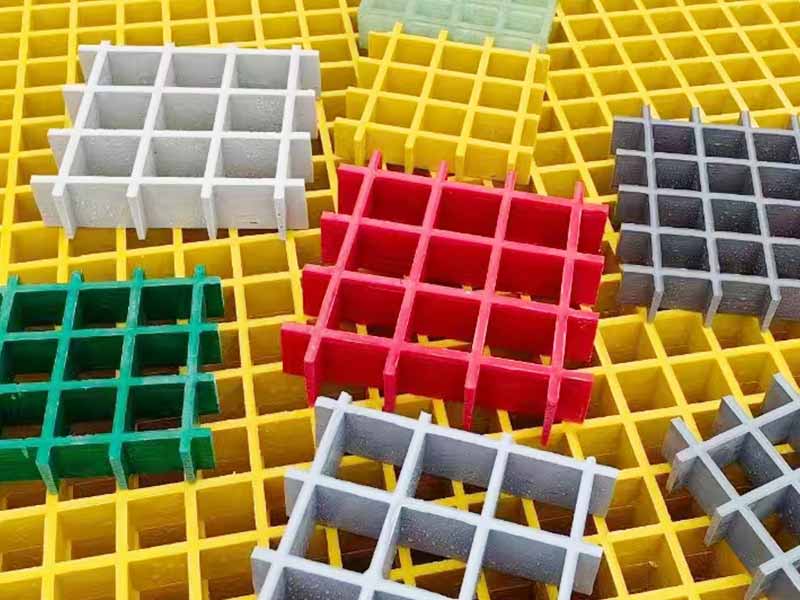
2. FRP grating fencing is available in a wide variety of colors—including green, yellow, and gray—and their lightweight nature makes both installation and cutting exceptionally convenient. They offer comprehensive performance capabilities and deliver high economic value.
3. Due to the lightweight nature of FRP materials, installation and cutting are remarkably easy, ensuring comprehensive performance and high cost-effectiveness.
4. Constructed from FRP, these enclosures are manufactured using a pultrusion process: continuous reinforcing fibers, impregnated with resin, are drawn through a heated mold where they cure and solidify under tension. This process endows the product with the following characteristics: resistance to electromagnetic interference; resilience against wind, rain, snow, and frost; corrosion resistance (they do not rust); a high strength-to-weight ratio; fatigue resistance; vibrant, fade-resistant colors; aging resistance and a long service life; and excellent electrical insulation properties. Requiring no painting or routine maintenance, they retain their pristine appearance over time, sparing you the labor and hassle typically associated with upkeep.
5. FRP grating fencing offer a low total cost of ownership. Installation is simple and rapid, utilizing patented slip-fit connections or proprietary fittings to significantly boost installation efficiency. Available in a wide array of models and specifications, they offer diverse design options to suit various aesthetic preferences. Furthermore, they are safe and eco-friendly—harmless to both humans and animals; unlike steel or iron guardrails, accidental contact with these outdoor FRP safety enclosures poses no risk of electric shock or injury.
6. These FRP enclosures possess sufficient structural strength and impact resistance to combine the robust durability of steel with the aesthetic appeal of FRP. Manufactured using a specialized resin formula and dedicated UV absorbers, the material resists fading, yellowing, peeling, cracking, blistering, and insect infestation, ensuring a service life of over 50 years.
7. Thanks to the unique composition of the material, the product holds no secondary resale value as scrap, thereby significantly reducing the likelihood of theft. Scope of Application:
FRP grating fencing to structures manufactured using synthetic resin as a matrix and reinforced with glass fibers.
FRP grating fencing is composite material products actively promoted within the industry, boasting numerous advantages such as lightweight construction, high strength, excellent toughness, corrosion resistance, vibrant colors, and a surface finish that achieves a mirror-like luster. They have far surpassed comparable products made from traditional materials such as ceramics, rigid plastics, and steel.
They are widely utilized across a diverse range of fields, including parks, residential communities, private villas, power generation, chemical engineering, construction, textiles, aviation, marine engineering, transportation, metallurgy, machinery, food processing, papermaking, and environmental protection.
FRP (Fiber-Reinforced Polymer) railings refer to structures manufactured using synthetic resin as a matrix and reinforced with glass fibers.
FRP guardrails are composite material products actively promoted within the industry, boasting numerous advantages such as lightweight construction, high strength, excellent toughness, corrosion resistance, vibrant colors, and a surface finish that achieves a mirror-like luster. They have far surpassed comparable products made from traditional materials such as ceramics, rigid plastics, and steel.
They are widely utilized across a diverse range of fields, including parks, residential communities, private villas, power generation, chemical engineering, construction, textiles, aviation, marine engineering, transportation, metallurgy, machinery, food processing, papermaking, and environmental protection.
Excellent resistance to chemicals, moisture, and corrosion.
Lightweight with high load-bearing capacity.
Maintains performance over long-term use.
No rusting and minimal maintenance required.
Available in various sizes, structures, and specifications.
Provides better safety in industrial applications.