xinpengfrp@gmail.com
xinpengfrp@gmail.com
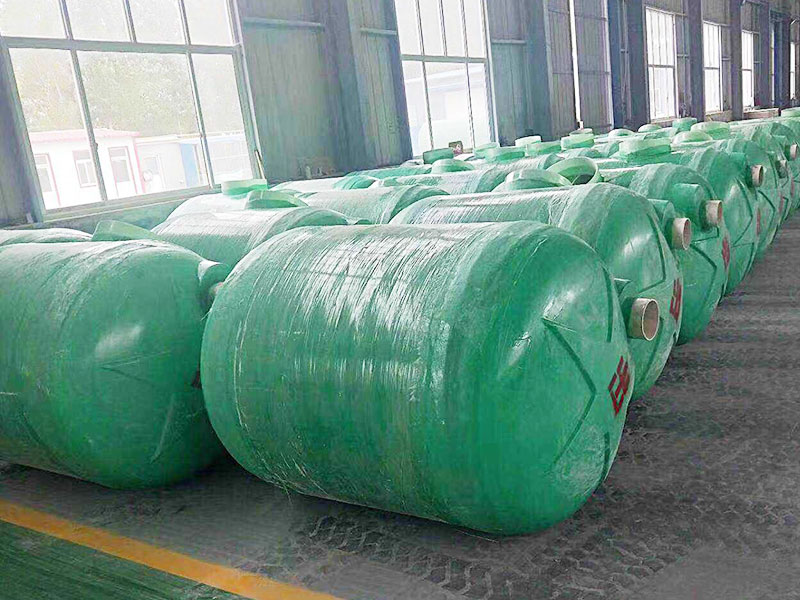
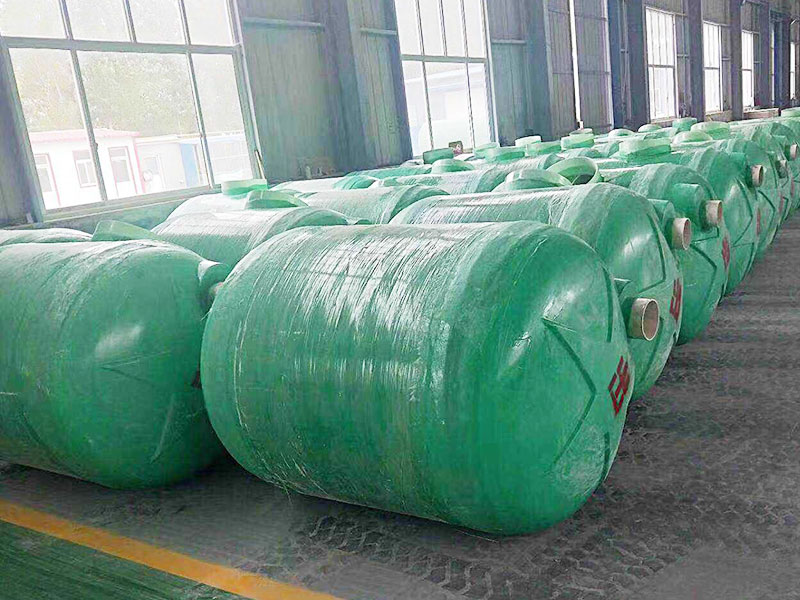
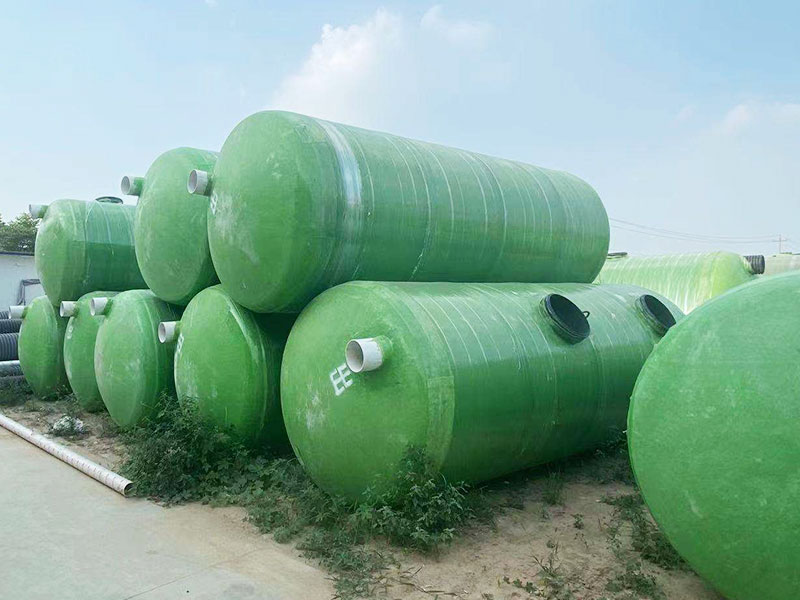
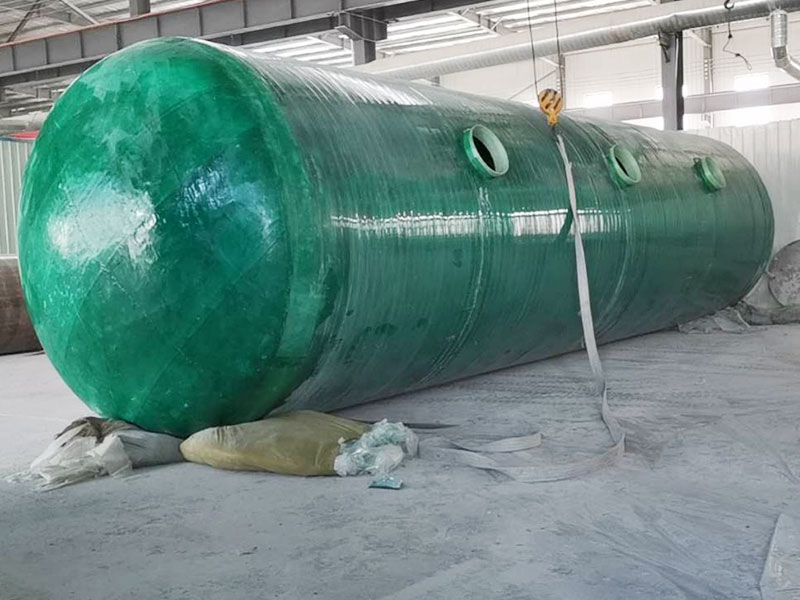
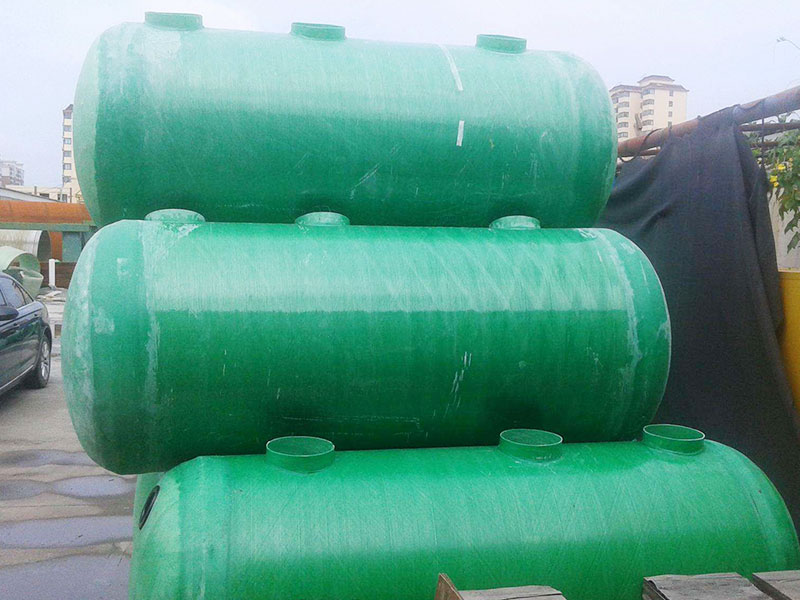
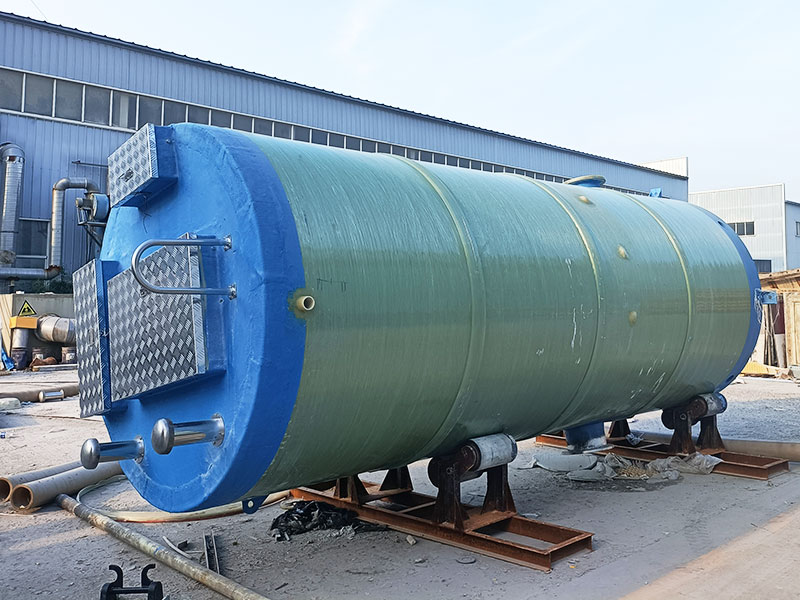
A FRP septic tank is a specialized device designed for the treatment of domestic sewage, manufactured using synthetic resin as a matrix and reinforced with fiberglass materials. FRP septic tanks are composite material products actively promoted by the state; they boast numerous advantages, including light weight, high strength, excellent toughness, corrosion resistance.
Corrosion Resistance
Lightweight & High Strength
Durable and Reliable
Flexible Customization
A FRP septic tank is a specialized device designed for the treatment of domestic sewage, manufactured using synthetic resin as a matrix and reinforced with fiberglass materials. FRP septic tanks are composite material products actively promoted by the state; they boast numerous advantages, including light weight, high strength, excellent toughness, corrosion resistance, vibrant colors, and a surface finish that achieves a mirror-like effect.
They have far surpassed comparable products made from materials such as ceramics, rigid plastics, and steel, and are now widely utilized across diverse fields including chemicals, petroleum, construction, textiles, aviation, marine engineering, transportation, electric power, metallurgy, machinery, healthcare, food processing, papermaking, and environmental protection.
Specifically, FRP septic tanks serve as sewage purification and treatment equipment for civil structures—such as the living quarters within industrial enterprises and urban residential communities—that generate domestic wastewater. These tanks function by temporarily storing waste matter, allowing it to undergo preliminary decomposition within the tank to reduce the solid content of the discharged sewage.
FRP septic tanks are primarily applicable to the purification and treatment of domestic sewage in civil structures, such as the residential areas of industrial facilities and urban residential complexes.
Clean-out Wells
1. Once the backfilling process meets the requirements of construction codes, a clean-out well (or inspection well) may be constructed atop the tank body. Clean-out wells typically fall into two categories: brick-masonry wells and modular precast reinforced concrete wells.
2. To prevent leakage through the walls of brick-masonry inspection wells, both the inner and outer walls must be coated with a waterproof mortar layer, 20 mm in thickness (using a 1:2 waterproof mortar mix containing 5% waterproofing agent by weight of the cement). At all internal corners, a 45-degree chamfer (sloped fillet) with a thickness of 50 mm must be applied. In instances where groundwater is present, two coats of hot asphalt (or another suitable waterproofing coating) must be applied to the exterior walls of the well; finally, the area is backfilled with soil up to the required finished ground level.
1. When excavating the foundation trench, the local geological conditions must be thoroughly assessed and understood.
2. The placement location and burial depth of the fiberglass septic tank must be marked out and positioned strictly in accordance with the design specifications.
3. Once the fiberglass septic tank has been positioned in place, backfilling of the surrounding soil must be carried out promptly; simultaneously, the interior of the tank must be filled with water to prevent displacement. 4. Backfill soil must be screened to ensure it is free of sharp-edged stones and construction debris. In the absence of groundwater, the soil shall be compacted to a density of 0.95. Particular attention must be paid to firmly backfilling the area surrounding and beneath the tank using plain soil or yellow sand; in the presence of groundwater, the area beneath the tank must be firmly backfilled with plain soil or yellow sand to ensure uniform load distribution at the tank’s anchorage points.
5. When construction is undertaken during the rainy season, adequate drainage facilities must be established to prevent water accumulation within the foundation pit and to guard against slope collapse. Additionally, the tank interior must be filled with water to prevent flotation and subsequent displacement.
6. Construction operations shall be conducted in strict compliance with the provisions of relevant engineering construction and acceptance codes.
Excellent resistance to chemicals, moisture, and corrosion.
Lightweight with high load-bearing capacity.
Maintains performance over long-term use.
No rusting and minimal maintenance required.
Available in various sizes, structures, and specifications.
Provides better safety in industrial applications.