Table of Contents
FRP integrated pumping station selection is rarely a simple catalog decision. In real industrial and municipal projects, buyers need a product that fits the working environment, installation method, maintenance plan, and long-term safety requirements. A part that looks correct in a picture may still fail to solve the actual site problem if the load, corrosion exposure, access needs, or connection details are not clearly confirmed.
This guide is written for engineers, contractors, and procurement teams comparing FRP integrated pumping station for municipal drainage, wastewater lifting, stormwater transfer, and compact pump station projects. It explains what to check before ordering, how to avoid common mistakes, and what information helps a manufacturer recommend a practical solution. The aim is not to oversell fiberglass, but to help buyers decide when this product is suitable and when more project review is needed.
What FRP integrated pumping station Does in Real Projects
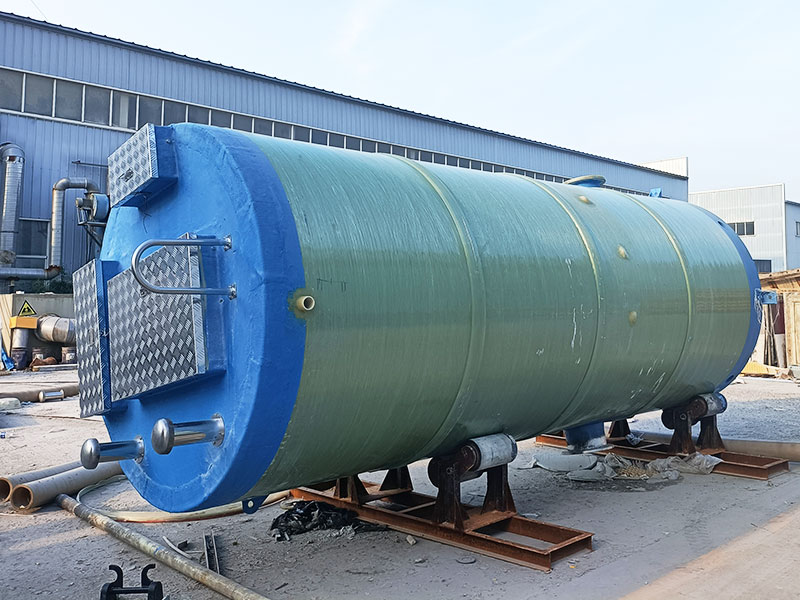
FRP integrated pumping station is a fiberglass reinforced plastic product designed for combining an FRP shaft body with pumping, lifting, access, and control-related project requirements. FRP combines glass fiber reinforcement with a resin matrix, creating a composite material valued for corrosion resistance, low weight, and stable performance in demanding environments. A general overview of fiber-reinforced plastic explains the material family, but product selection still depends on the actual project conditions.
For buyers, the most important question is not only what the product is. The better question is whether it matches the site. Drainage and wastewater projects often need compact lifting equipment where site space, corrosion, buried installation, and maintenance access must be balanced. That is why the inquiry should include drawings, environmental exposure, installation details, and the expected service conditions.
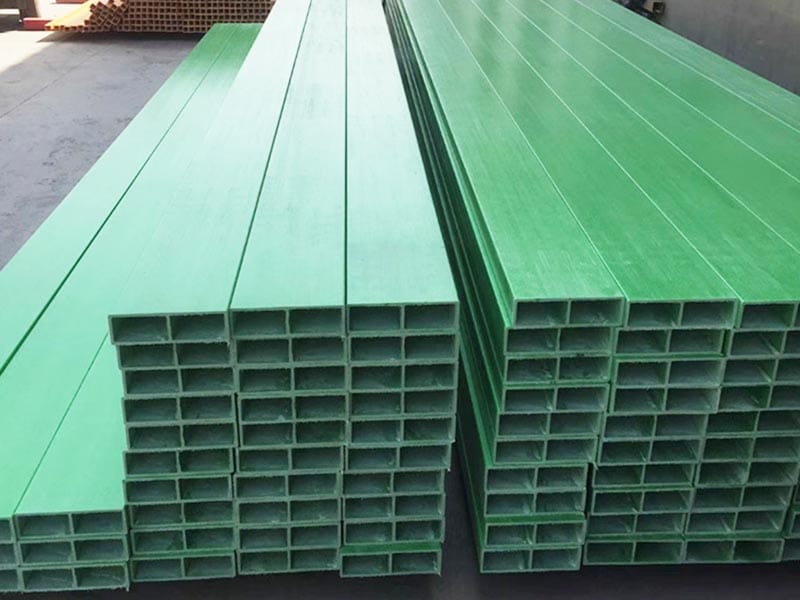
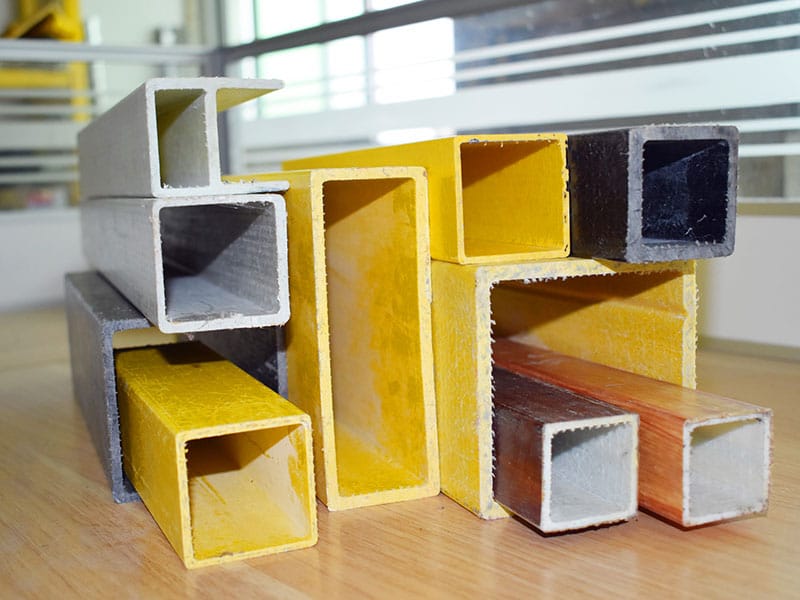
Xinpeng supplies FRP integrated pumping stations for buyers who need project-ready FRP components. In many projects, this product is also used together with related FRP items such as FRP pultruded profiles, fiberglass grating, or corrosion-resistant covers and support structures.
Where Buyers Commonly Use FRP integrated pumping station
FRP integrated pumping station is commonly considered for municipal drainage networks, sewage lifting stations, industrial wastewater transfer, residential area drainage, and stormwater collection projects. These environments often combine moisture, chemicals, outdoor exposure, repeated inspection, or public infrastructure requirements. Traditional materials may still work in many cases, but they can require more coating, repainting, or replacement when corrosion becomes a regular operating condition.
A typical buyer may be a municipal contractor, plant maintenance team, EPC company, electrical contractor, water treatment project buyer, or infrastructure operator. Their search intent is practical: they need to know which product type fits the site, what details affect performance, and what to send with the inquiry.
If the project is connected with wastewater, drainage, utilities, or industrial access, buyers may also find Xinpeng’s related guides useful, including FRP grating for industrial flooring and FRP pultruded profiles for industrial structures. Internal linking between these topics helps buyers see the complete material system rather than one isolated component.
FRP integrated pumping station Material Advantages and Limits
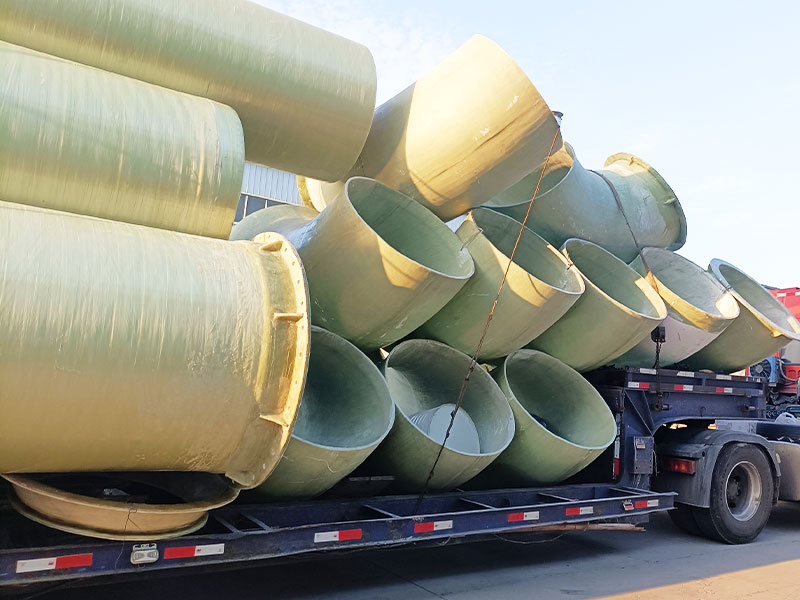
The main advantage is resistance to environments where steel, wood, or ordinary plastic may require frequent maintenance. FRP does not rust, and its resin system can be selected for different exposure conditions. This is especially useful where moisture, salt air, chemical vapor, or wastewater gas is present. The basic mechanism of corrosion is one reason material choice matters in industrial projects.
Weight is another benefit. FRP integrated pumping station can often be handled more easily than comparable metal parts, which may reduce installation difficulty in elevated, confined, or remote areas. Electrical insulation can also matter in power, utility, and cable support applications. However, FRP is not automatically the correct answer for every project. Load, fire requirements, impact risk, temperature, and local regulations should still be reviewed.
Buyers should also understand that not every FRP product has the same performance. Resin type, wall thickness, reinforcement design, surface finish, accessory selection, and production method all influence durability. When the application involves chemicals or wastewater gases, information about concentration, temperature, and exposure method helps the supplier choose a more suitable recommendation.
How to Specify the Right FRP integrated pumping station Design
A useful specification for FRP integrated pumping station should define the application, dimensions, support method, environmental exposure, load requirement, connection details, and any special performance expectations. If a drawing is available, send it early. If there is no drawing, provide photos, sketches, quantity, and site measurements.
Buyers should confirm inlet depth, outlet level, flow requirement, pump configuration, shaft diameter, buried depth, access hatch, control needs, and surrounding pipeline layout. These details are more important than asking only for a standard size. Two projects can use the same product name but require different structures because the installation environment is different.
| Specification Detail | Why It Matters |
|---|---|
| Application area | Shows whether the product is for industrial, municipal, wastewater, power, or utility use |
| Dimensions and drawings | Helps avoid fit problems and quotation errors |
| Exposure conditions | Supports resin and surface selection |
| Load or support requirement | Affects structure, thickness, and fixing method |
| Accessories | Ensures the product can be installed as a working system |
| Quantity and schedule | Helps production planning and delivery coordination |
For broader design context, buyers can also review general engineering guidance from organizations such as OSHA walking-working surfaces when access, platforms, or maintenance areas are involved. For water or wastewater infrastructure, background information from the U.S. EPA NPDES program can help buyers understand why drainage and wastewater environments often require durable materials.
FRP integrated pumping station Installation and Maintenance Details
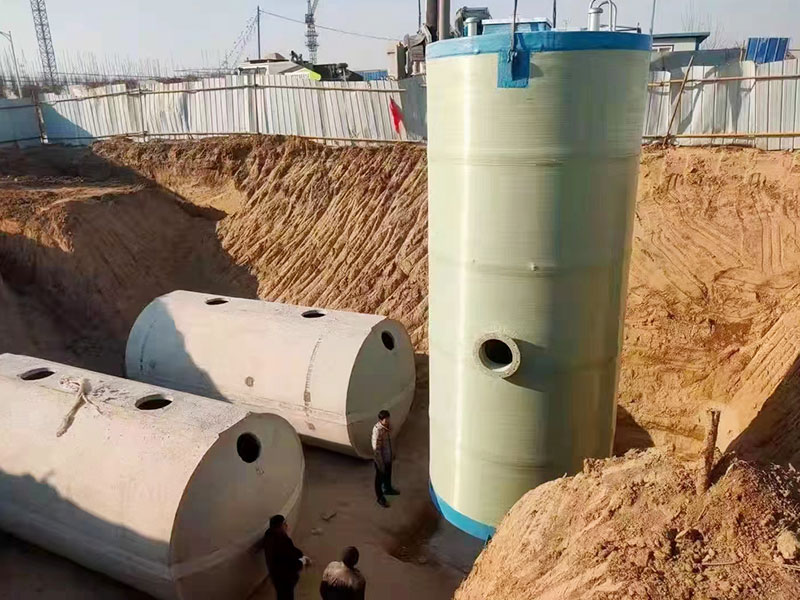
Installation quality has a direct effect on service life. Proper support, correct fasteners, clean drilling, suitable edge treatment, and enough bearing area are all important. A good product can perform poorly if it is installed with loose fixings, unsupported spans, poor alignment, or accessories that are not compatible with the environment.
Maintenance planning should be realistic. FRP can reduce corrosion-related maintenance, but it does not eliminate inspection. Operators should still check connections, supports, fasteners, surface condition, and any areas exposed to impact or chemical accumulation. If the product is installed outdoors, UV exposure, drainage, temperature movement, and wind should be considered.
For projects involving utilities, cable routes, or public infrastructure, safe identification and access are also part of long-term performance. Buyers can consult general underground utility safety information from 811 Before You Dig when route marking or excavation awareness is relevant.
Common FRP integrated pumping station Procurement Mistakes
The first common mistake is buying by product name alone. A short inquiry may produce a quick quotation, but it may not produce the right solution. The supplier needs to understand the working environment and installation method.
The second mistake is ignoring accessories. Fasteners, brackets, supports, covers, seals, labels, or connection parts may decide whether the final system works well. In corrosive environments, one unsuitable accessory can become the weak point even if the main FRP product is correctly selected.
The third mistake is comparing only the initial purchase cost. Project buyers should also consider maintenance access, replacement difficulty, corrosion risk, downtime, and service conditions. A material that looks cheaper at the start may create more work later if it does not match the site.
FRP integrated pumping station Buyer Checklist Before Requesting a Quote
Before requesting a quotation for FRP integrated pumping station, prepare the application, site photos or drawings, dimensions, quantity, chemical or weather exposure, load expectations, installation method, accessory needs, and delivery schedule. If the product will be part of a larger system, describe the surrounding equipment and connected FRP components.
A clear inquiry allows the supplier to recommend a product that fits the project rather than only matching a keyword. It also helps avoid repeated emails, missing details, and production changes after confirmation. For custom dimensions or special performance requirements, early communication is especially important.
How Xinpeng Supports Project Buyers
Xinpeng manufactures and supplies FRP products for corrosion resistance, wastewater treatment, municipal engineering, power infrastructure, and structural applications. Buyers can source this product, related accessories, and complementary FRP products through one supplier system. This is useful when a project requires several corrosion-resistant components rather than a single item.
For project support, visit the FRP products page to review the broader product range, or use the contact page to send drawings, dimensions, site conditions, and quantity requirements. Clear project details help the team respond with a more practical recommendation.
FAQ
What is FRP integrated pumping station used for?
FRP integrated pumping station is used for lifting sewage, drainage water, stormwater, or industrial wastewater from low areas to higher pipeline systems. It is most useful where corrosion resistance, low weight, and long-term maintenance control are important.
Can it be customized?
Yes. Size, structure, surface, color, accessories, and performance details can often be customized according to drawings and project requirements.
What information should buyers provide?
Buyers should provide drawings or photos, dimensions, installation conditions, exposure environment, load requirements, quantity, and any special standards or project expectations.
Is it suitable for outdoor use?
It can be suitable for outdoor use when the resin system, UV resistance, fixing method, and supporting structure are selected for the local conditions.
Conclusion
FRP integrated pumping station can help solve practical problems in municipal drainage, wastewater lifting, stormwater transfer, and compact pump station projects, especially where corrosion, moisture, electrical insulation, or maintenance pressure affects long-term operation. The best results come from matching the product to the actual site rather than selecting only by name or size.
For engineers and procurement teams, the next step is to prepare a complete inquiry with dimensions, drawings, exposure conditions, and installation expectations. With that information, Xinpeng can help review whether FRP integrated pumping station is the right fit and what details should be confirmed before production.