Table of Contents
Introduction
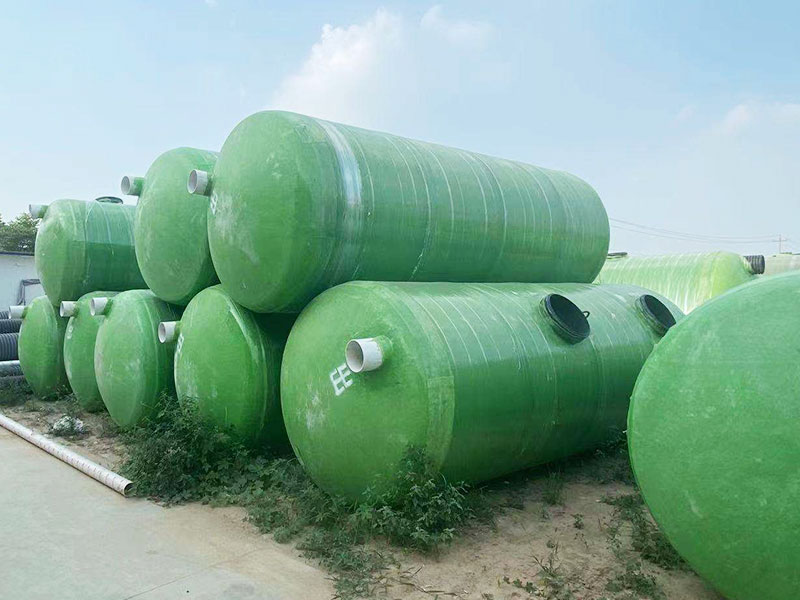
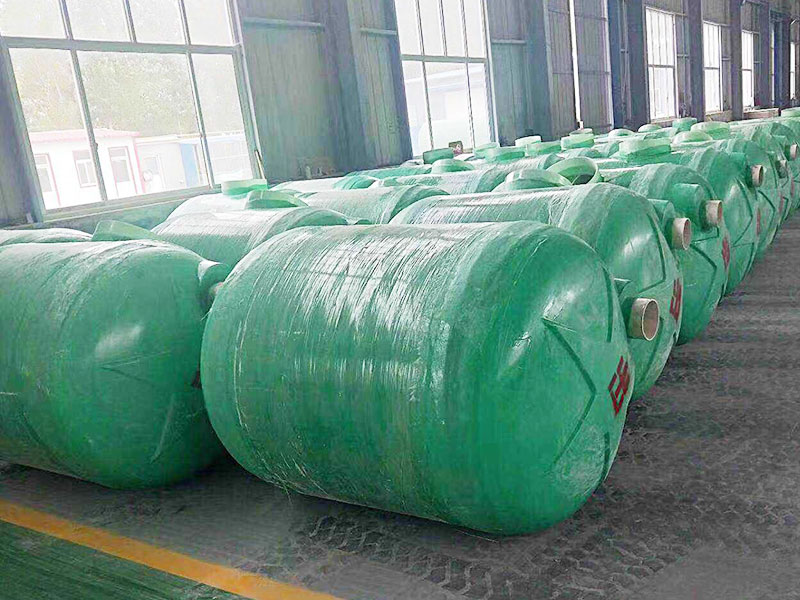
Domestic wastewater treatment is no longer only a concern for large municipal plants. Rural communities, residential areas, industrial parks, service stations, public facilities, and decentralized sanitation projects all need compact, durable, and practical sewage treatment solutions. In many of these applications, an FRP septic tank can provide a reliable option for collecting and pre-treating domestic sewage before further treatment, discharge, or connection to a larger wastewater system.
FRP, or fiberglass reinforced plastic, is widely used in wastewater equipment because it combines corrosion resistance, lightweight handling, and flexible manufacturing. For underground septic tank projects, these advantages are especially important. The tank must resist soil pressure, moisture, sewage gases, long-term corrosion, and installation stress while maintaining stable performance over years of service.
This guide explains how to choose an FRP septic tank for domestic sewage and decentralized wastewater projects, what details should be confirmed before production, how FRP compares with concrete and steel tanks, and how to avoid common project mistakes during selection and installation.
What Is an FRP Septic Tank?
An FRP septic tank is a fiberglass reinforced plastic tank used for domestic sewage collection and preliminary treatment. It is typically installed underground and connected to building drainage pipes, village sewage systems, sanitation facilities, or small wastewater treatment units.
A septic tank generally separates wastewater into solids, liquid, and floating materials. Heavier solids settle at the bottom, lighter materials float on the surface, and liquid flows through the tank for further treatment or discharge according to the project design. For a general technical overview, you can refer to septic tank and decentralized wastewater system.
The purpose of an FRP septic tank is not only storage. It supports the first stage of wastewater management by improving sewage separation, reducing direct discharge pressure, and creating a more organized treatment process for areas without complete municipal sewer coverage.
Why FRP Is Used for Septic Tanks
Septic tanks work in a harsh environment. They are buried underground, exposed to moisture, sewage, gases, and changing soil conditions. Material durability directly affects service life, leakage risk, transportation cost, and installation convenience.
FRP septic tanks are widely selected because they offer several practical advantages.
They resist corrosion from moisture and many wastewater environments.
They are lighter than many concrete tanks, making transportation and lifting easier.
They can be manufactured into integrated shapes with good sealing performance.
They are suitable for buried installation when properly designed and installed.
They can be customized according to volume, chamber structure, inlet and outlet positions, and project layout.
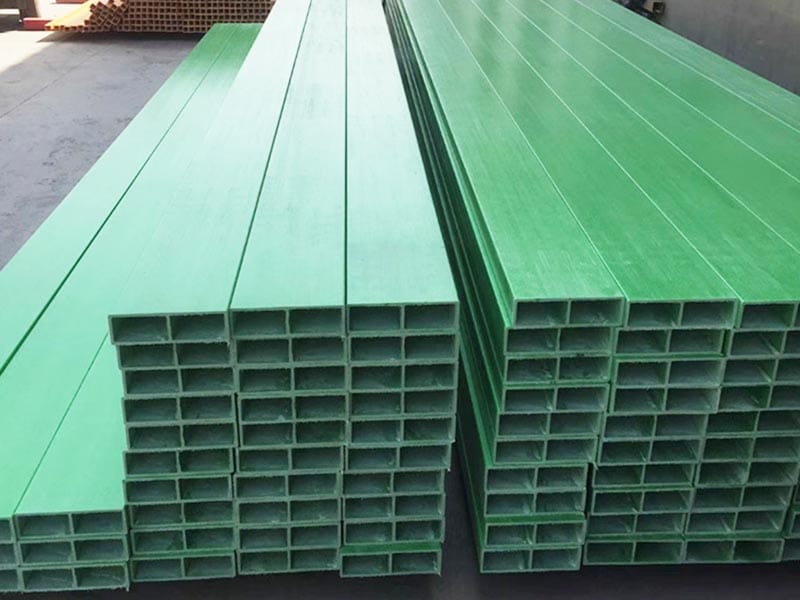
They can be matched with other wastewater products such as FRP integrated pumping stations, FRP pipes, and FRP sewage tank covers.
For projects that need corrosion resistance and efficient installation, FRP can reduce many of the handling and maintenance challenges associated with traditional materials.
Common Applications of FRP Septic Tanks
FRP septic tanks can be used in many domestic and light industrial wastewater scenarios. The most common applications include rural sewage treatment projects, residential communities, public toilets, schools, service areas, villas, hotels, industrial park living areas, temporary construction camps, and small municipal sanitation systems.
In rural wastewater projects, FRP septic tanks are often used because they are easier to transport to scattered locations and can be installed with less heavy civil work than some traditional tank systems.
In residential and commercial sanitation projects, fiberglass septic tanks can provide compact underground sewage treatment support where a complete municipal sewage pipeline is not available.
In public facilities such as schools, parks, scenic areas, and service stations, FRP septic tanks help manage domestic sewage from toilets, washrooms, kitchens, and daily drainage systems.
In industrial parks, they may be used for domestic sewage from offices, dormitories, canteens, and auxiliary buildings. They should not be confused with tanks for strong industrial chemical wastewater unless the chemical environment is specifically evaluated.
FRP Septic Tank vs Concrete Septic Tank
Many project teams compare FRP septic tanks with concrete septic tanks during material selection. Both can be used for sewage projects, but they perform differently in installation, sealing, corrosion resistance, and maintenance.
| Selection Factor | FRP Septic Tank | Concrete Septic Tank |
|---|---|---|
| Weight | Lightweight and easier to transport | Heavy and requires stronger lifting equipment |
| Installation speed | Faster in many small and medium projects | Slower due to weight and civil work |
| Corrosion resistance | Good in many sewage environments | May be affected by cracking, moisture, and chemical attack |
| Sealing performance | Integrated structure can reduce leakage risk | Joints and cracks may need attention |
| Customization | Can be customized by size, chamber, and connection position | Customization usually requires more civil design |
| Transport to remote sites | Easier due to lower weight | More difficult for scattered rural locations |
| Maintenance need | Low when correctly installed | Joint, crack, and structural inspection may be needed |
Concrete tanks are still suitable for some heavy-duty civil projects, especially where local construction conditions and structural design favor concrete. However, FRP septic tanks are often more practical when lightweight handling, corrosion resistance, modular delivery, and fast installation are important.
FRP Septic Tank vs Steel Septic Tank
Steel tanks can provide mechanical strength, but sewage environments can be highly corrosive. If steel is used, surface protection and coating quality become critical. Once coating damage occurs, corrosion can develop and shorten service life.
FRP septic tanks avoid many rust-related concerns because the corrosion resistance comes from the composite material itself. This is particularly useful for underground sewage tanks, humid environments, and decentralized sanitation projects where frequent inspection may be difficult.
Steel may still be considered for special structural requirements, but for domestic sewage treatment and underground corrosion-resistant applications, FRP is often a more practical long-term choice.
Key Factors to Confirm Before Selecting an FRP Septic Tank
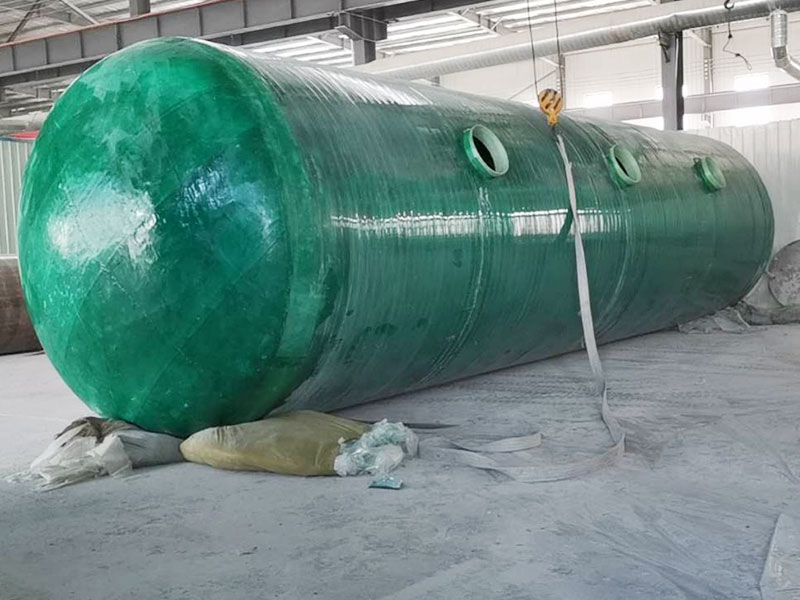
A suitable FRP septic tank should match the project’s wastewater volume, installation environment, pipe layout, soil condition, and maintenance plan. Choosing only by tank diameter or volume is not enough.
Daily Wastewater Volume
The first selection factor is the expected wastewater volume. This depends on the number of users, building type, water consumption habits, and project function. A rural household, school, service station, factory dormitory, and public toilet may all require different tank capacities.
The tank should not be too small, because insufficient capacity may reduce separation efficiency and increase maintenance frequency. It should also not be selected blindly oversized without considering installation space, soil conditions, and project layout.
Tank Chamber Design
Many septic tanks use multiple chambers to improve sedimentation and flow separation. The chamber structure affects wastewater retention, solids settlement, and outlet water stability.
When discussing a project, confirm whether the tank needs two chambers, three chambers, or a customized internal structure. The best design depends on wastewater type, local requirements, and whether additional treatment equipment follows the septic tank.
Inlet and Outlet Position
Pipe connection details are often overlooked. Inlet and outlet height, pipe diameter, pipe direction, and connection method must match the site drainage layout. If these details are not confirmed before production, installation may require field modification, which can increase leakage risk or delay construction.
For customized projects, provide drawings or a simple site sketch showing the building drainage direction, tank location, outlet route, and reserved inspection points.
Underground Installation Conditions
FRP septic tanks are usually buried underground, so soil condition matters. The project team should consider burial depth, groundwater level, soil compaction, surrounding traffic load, anti-floating measures, and backfill material.
In areas with high groundwater, anti-floating design is especially important. A lightweight tank is easier to install, but it must be properly anchored or protected against buoyancy when groundwater rises.
Maintenance Access
Every septic tank should allow future inspection and sludge removal. Manholes, inspection ports, covers, and access routes should be planned before installation. A tank that is difficult to access may create problems even if the tank itself is well made.
For projects that also need odor control or safe access, the septic tank may be combined with FRP tank covers or other FRP cover systems.
How FRP Septic Tanks Support Decentralized Wastewater Treatment
Decentralized wastewater treatment is important in areas where a full municipal sewer network is not available or not economical. Instead of transporting all wastewater to a distant treatment plant, smaller systems treat or pre-treat sewage closer to the source.
FRP septic tanks are suitable for this model because they are compact, corrosion resistant, and adaptable to scattered installation sites. They can be used as pre-treatment units before constructed wetlands, small treatment stations, filtration systems, pumping stations, or municipal collection pipelines.
The U.S. Environmental Protection Agency provides general information on septic systems, including basic concepts and management considerations. For international sanitation planning, the World Health Organization also provides resources related to sanitation and wastewater.
For project teams, the key is to treat the FRP septic tank as one part of the overall wastewater system. The tank should be selected together with downstream treatment, sludge removal planning, pipe network design, and local discharge requirements.
Installation Details That Affect Long-Term Performance
Even a high-quality FRP septic tank can fail if installation is careless. Underground tanks must be installed according to proper civil and mechanical requirements.
Before installation, the foundation should be prepared to provide stable support. Uneven ground or sharp objects may create stress points on the tank body. The tank should be lifted carefully using appropriate lifting points, not dragged across rough ground.
During backfilling, soil should be compacted evenly around the tank. Uneven backfill pressure can deform the tank or affect pipe connections. In high groundwater areas, anti-floating measures should be completed before the tank is fully covered.
Pipe connections should be sealed properly to prevent leakage and groundwater intrusion. After installation, the system should be inspected before operation.
Important installation checks include:
Stable foundation preparation
Correct tank orientation
Proper inlet and outlet alignment
Secure pipe connections
Even backfilling around the tank
Anti-floating design where needed
Accessible inspection ports
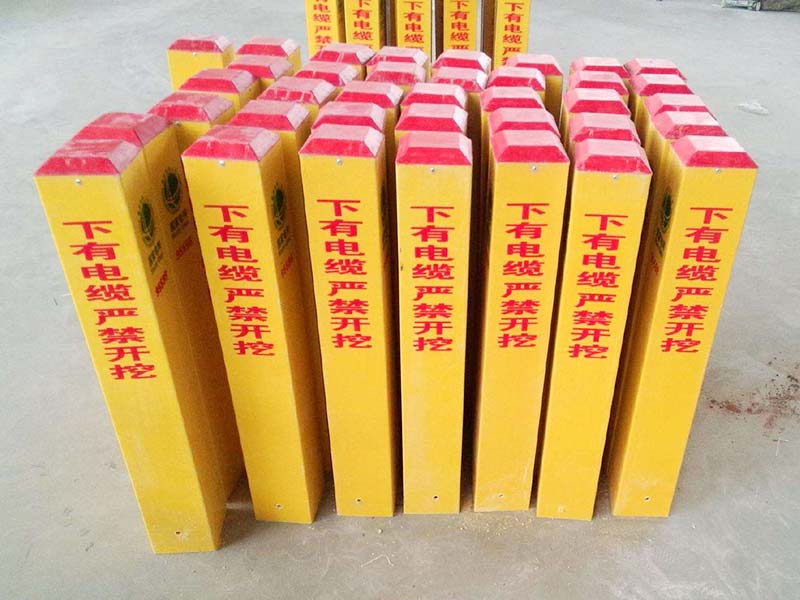
Clear location marking for future maintenance
Safe covers and manholes
These details are especially important in rural projects, public sanitation facilities, and scattered installation sites where maintenance teams may not visit frequently.
Common Mistakes in FRP Septic Tank Projects
The first mistake is selecting a tank only by volume. Capacity is important, but chamber structure, pipe layout, burial depth, soil condition, and maintenance access are also critical.
The second mistake is ignoring groundwater. In areas with high water tables, lightweight underground tanks require proper anti-floating measures.
The third mistake is not reserving inspection access. Septic tanks need future sludge removal and inspection, so manholes and access covers must remain usable after landscaping or pavement work.
The fourth mistake is mixing domestic sewage and unsuitable industrial wastewater. An FRP septic tank is mainly used for domestic sewage. If wastewater contains chemicals, oils, solvents, or strong industrial contaminants, the tank material and treatment process must be evaluated separately.
The fifth mistake is installing the tank without confirming pipe elevation. Inlet and outlet height must match the drainage slope, or the system may experience blockage, backflow, or poor flow performance.
The sixth mistake is treating the septic tank as a complete treatment plant. In many projects, the septic tank is a pre-treatment unit and should be matched with downstream treatment or discharge requirements.
Project Checklist Before Requesting a Quote
Before sending an inquiry for an FRP septic tank, prepare the following information:
| Project Detail | Why It Matters |
| Application type | Helps determine suitable tank design |
| Number of users | Supports capacity selection |
| Estimated daily wastewater volume | Helps match tank size and retention needs |
| Tank location | Affects burial depth and access design |
| Soil condition | Influences foundation and backfill requirements |
| Groundwater level | Determines anti-floating needs |
| Inlet and outlet pipe size | Ensures correct connection design |
| Pipe direction and elevation | Reduces installation modification |
| Required chamber structure | Affects treatment and separation performance |
| Maintenance access needs | Supports inspection and sludge removal |
| Drawings or site sketch | Improves quotation and production accuracy |
Clear project details help the supplier recommend a suitable tank instead of only quoting a standard model.
How Xinpeng Supports FRP Septic Tank Projects
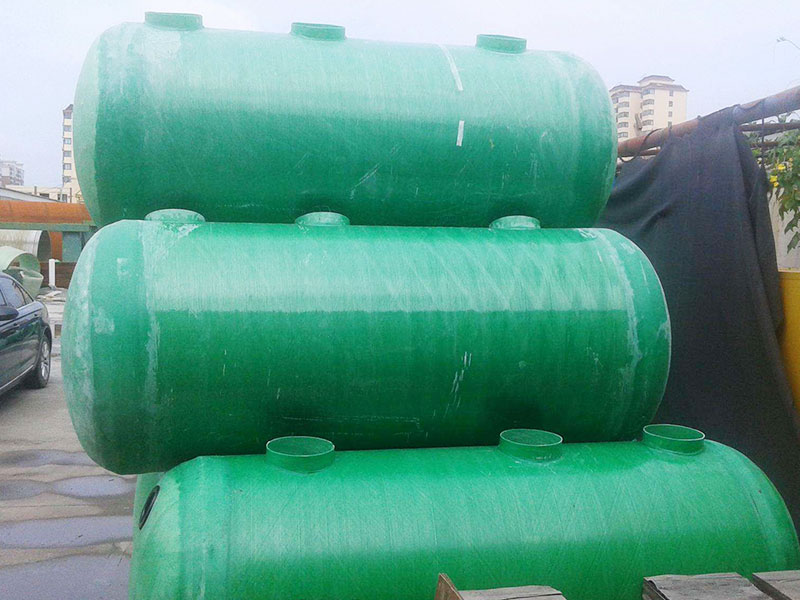
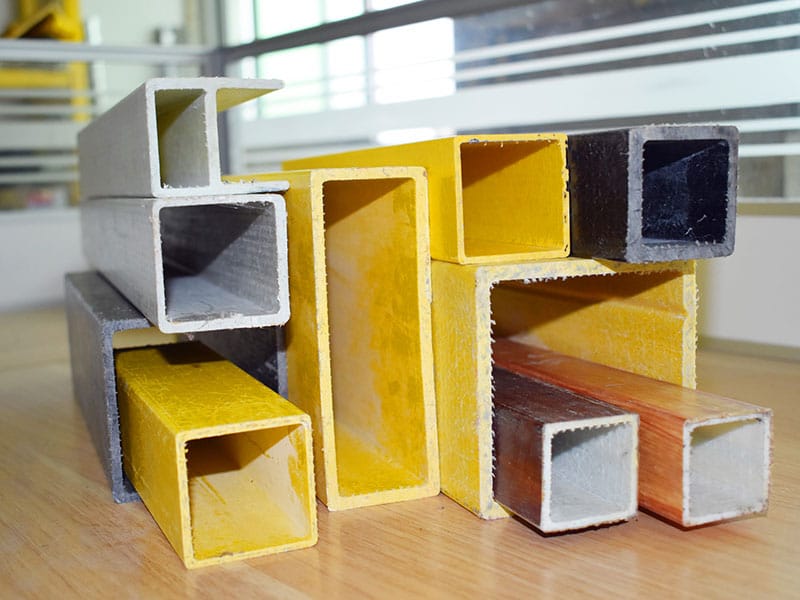
Xinpeng supplies FRP products and environmental equipment for wastewater treatment, industrial corrosion resistance, municipal engineering, and infrastructure applications. For sewage and sanitation projects, Xinpeng provides FRP septic tanks, FRP integrated pumping stations, FRP pipes, tank covers, grating, and other related FRP products.
For customized sewage treatment projects, Xinpeng can discuss tank size, chamber design, pipe connection position, installation conditions, and matching FRP components based on drawings or project requirements.
You can also review the broader FRP products range or learn more about material advantages through Why FRP. For project support, send your tank capacity requirements, site conditions, pipe layout, and drawings through Contact Xinpeng.
Conclusion
An FRP septic tank is a practical solution for domestic sewage treatment, rural sanitation projects, public facilities, residential communities, and decentralized wastewater systems. Its corrosion resistance, lightweight structure, flexible customization, and underground installation suitability make it valuable for projects that need reliable sewage pre-treatment with lower handling difficulty.
The best result depends on more than selecting a tank size. Project teams should confirm wastewater volume, chamber structure, pipe connection details, soil condition, groundwater level, burial depth, maintenance access, and downstream treatment requirements before ordering.
For domestic wastewater and decentralized sewage projects, Xinpeng can support standard and customized FRP septic tank solutions that match real site conditions and long-term operation needs.
FAQ
What is an FRP septic tank used for?
An FRP septic tank is used for collecting and pre-treating domestic sewage from homes, rural communities, public facilities, service areas, schools, and small wastewater projects before further treatment or discharge.
Is an FRP septic tank suitable for underground installation?
Yes. FRP septic tanks are commonly used underground when the foundation, backfill, burial depth, pipe connections, and anti-floating measures are properly designed for the site conditions.
How is an FRP septic tank different from a concrete septic tank?
An FRP septic tank is lighter, corrosion resistant, easier to transport, and can be made with an integrated structure. Concrete tanks are heavier and may require more civil work, but they may suit some heavy-duty construction projects.
Can an FRP septic tank be customized?
Yes. FRP septic tanks can be customized by capacity, chamber structure, inlet and outlet position, manhole layout, tank dimensions, and project installation requirements.
What information should I provide before ordering an FRP septic tank?
You should provide the application type, number of users, estimated wastewater volume, tank dimensions, pipe size, inlet and outlet direction, burial depth, soil condition, groundwater level, and any project drawings or site sketches.