xinpengfrp@gmail.com
xinpengfrp@gmail.com
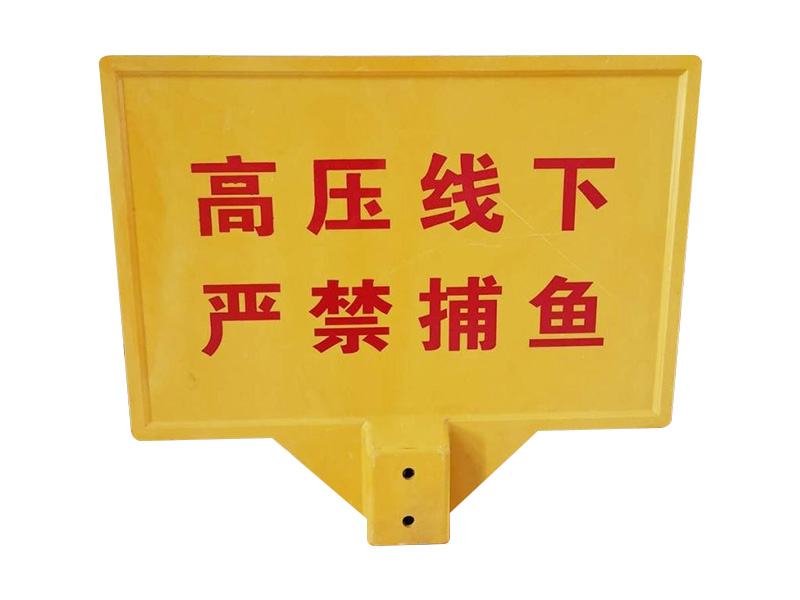
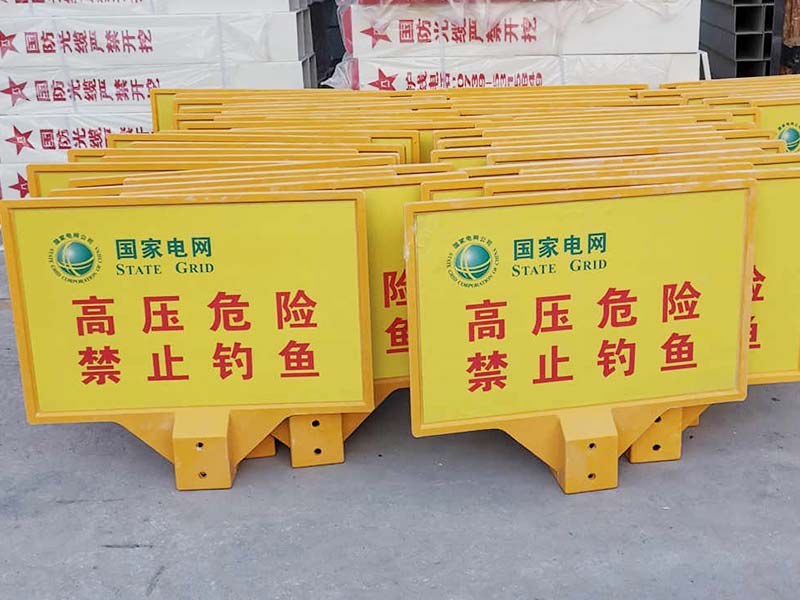
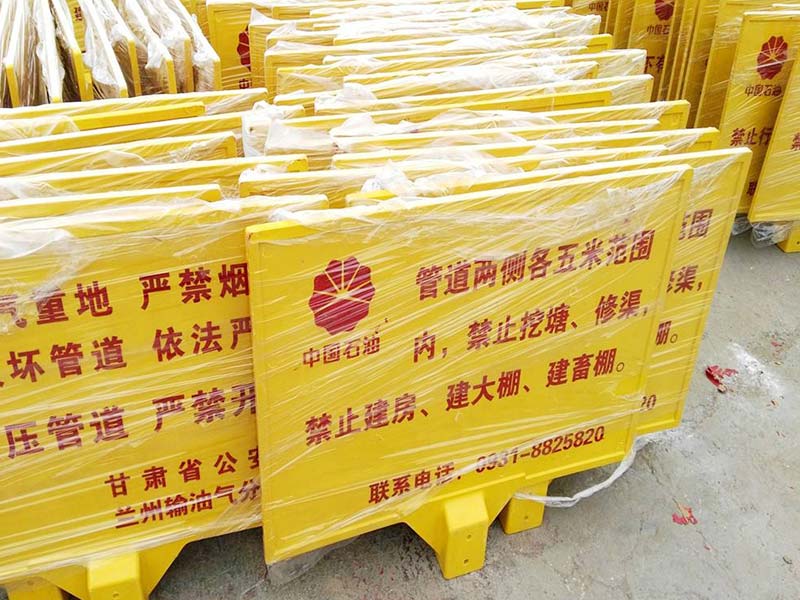
The mold for FRP warning signs consists of a matched pair of metal dies, mounted on a hydraulic press designed for FRP warning signs; it features automatic opening and closing capabilities, as well as precise speed control. The mold is typically fabricated from tool steel and features hardened edges.
Corrosion Resistance
Lightweight & High Strength
Durable and Reliable
Flexible Customization
Safety warning signs—also known as FRP (Fiber-Reinforced Polymer) warning signs or FRP signage—are manufactured using FRP materials, featuring painted red markings to serve their intended warning function. Molded FRP warning signs are characterized by their robust impact resistance, durability, resistance to aging, excellent thermal stability, and long service life. Depending on the specific dimensions and specifications of the signs being produced, the hydraulic presses commonly used for molding FRP warning signs include 200-ton, 315-ton, and 400-ton four-column hydraulic presses.
Molded FRP warning signs are formed under conditions of high temperature and high pressure. They exhibit excellent mechanical strength, with uniform structural integrity across both lateral and longitudinal axes, achieving a tensile strength exceeding 80 MPa.
The molds used for FRP warning signs consist of matching metal die sets mounted onto the FRP hydraulic press; the system features automated opening and closing mechanisms, as well as precise speed control. The molds are typically fabricated from tool steel and feature hardened edges. The entire compression molding cycle can be controlled via a computer system. Furthermore, the trimming of the finished product’s edges can also be performed automatically. For molded parts produced using liquid resins and pre-formed fibers, an ejection mechanism within the mold is generally not required for demolding; however, for FRP warning signs, the inclusion of an ejection mechanism is a viable option.
1. Place an appropriate quantity of FRP molding compound into the mold cavity.
2. Insert any necessary metal components into the mold to enhance the product’s structural strength or to serve as connection points.
3. Add a second layer of FRP molding compound to fully cover the inserted metal components.
4. Activate the FRP hydraulic press to compress the raw materials.
5. Apply heat to initiate the curing process, carefully monitoring the heating duration.
6. Once the raw materials have fully cured and subsequently cooled down, the finished product can be removed from the mold.
7. Depending on specific requirements, the molded product may undergo further post-processing treatments such as sanding, turning, drilling, or polishing.
Excellent resistance to chemicals, moisture, and corrosion.
Lightweight with high load-bearing capacity.
Maintains performance over long-term use.
No rusting and minimal maintenance required.
Available in various sizes, structures, and specifications.
Provides better safety in industrial applications.