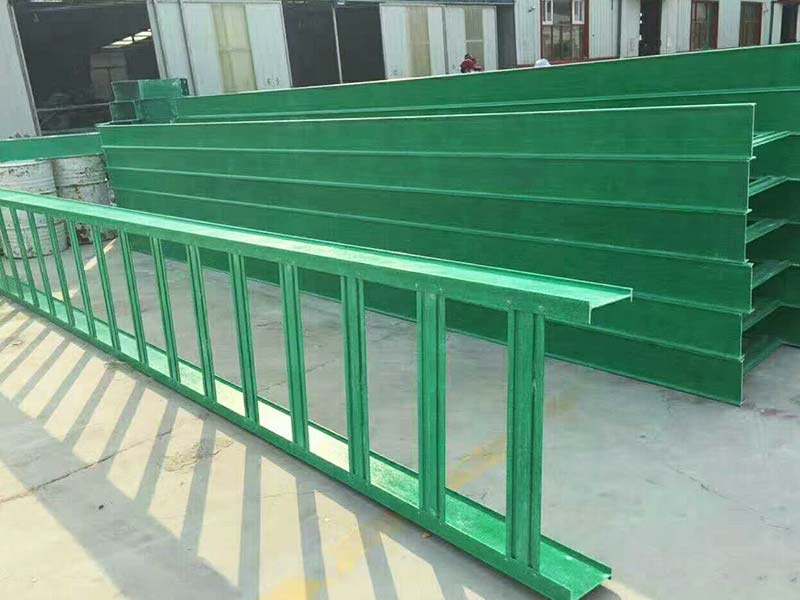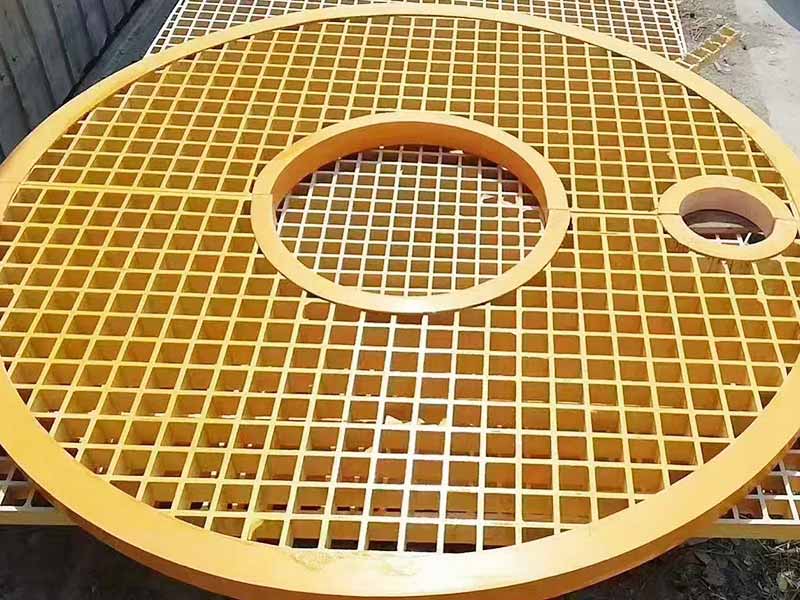
In many industrial projects, cable routing is treated as a secondary detail until corrosion, vibration, moisture, or maintenance problems begin to affect daily operations. For chemical plants, wastewater treatment facilities, coastal infrastructure, power projects, and outdoor utility areas, the cable support system is not only a place to hold wires. It is part of the site’s long-term safety, maintenance, and reliability strategy.
That is why more engineers and project buyers are comparing traditional metal trays with FRP cable tray systems. FRP offers a practical combination of corrosion resistance, lightweight handling, electrical insulation, and flexible customization, making it especially suitable for harsh environments where steel may require frequent surface protection or replacement.
This guide explains how to choose the right FRP cable tray for demanding industrial sites, what details to confirm before purchasing, and how to avoid common specification mistakes that can increase maintenance pressure later.
Table of Contents
Why Cable Tray Material Matters in Harsh Environments
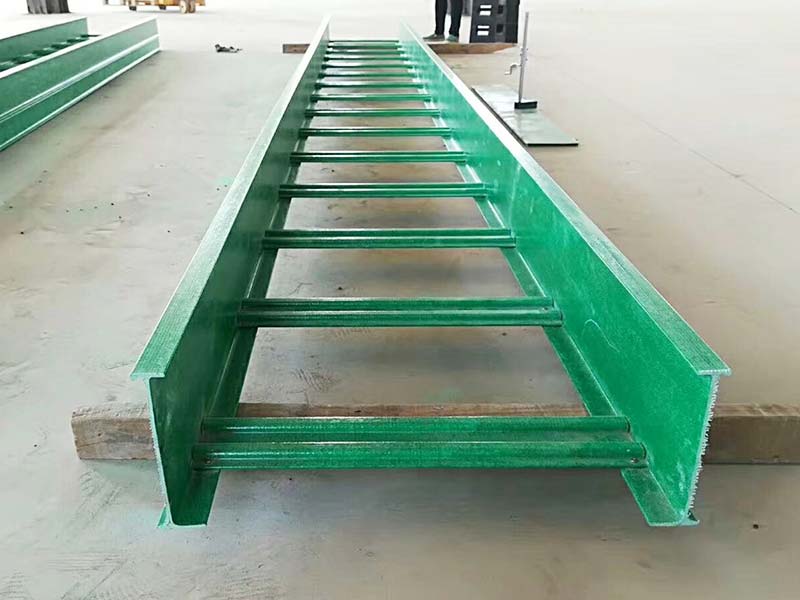
A cable tray system may look simple, but it has to perform under continuous environmental stress. In a dry indoor workshop, a standard metal tray may be enough. In a chemical processing area, coastal plant, wastewater facility, or outdoor utility corridor, the situation is different.
Corrosive vapor, humidity, salt air, wastewater gases, chemical splashes, UV exposure, and temperature changes can all shorten the service life of cable support structures. When cable trays corrode, deform, or lose mechanical stability, the problem is rarely limited to the tray itself. It can also affect cable organization, inspection access, electrical safety, and future expansion work.
FRP, or fiber-reinforced plastic, is a composite material made from a polymer matrix reinforced with fibers. You can learn more about the material concept from this overview of fiber-reinforced plastic. In cable tray applications, this composite structure gives FRP a useful balance between structural strength and resistance to corrosion.
For industrial buyers, the value of FRP is not only “anti-rust.” The bigger advantage is that it helps reduce the hidden risks caused by long-term exposure, repeated maintenance, difficult installation areas, and material mismatch.
What Is an FRP Cable Tray?
An FRP cable tray is a non-metallic cable support system designed to carry and organize electrical cables, control cables, communication lines, and instrumentation cables. It is commonly manufactured through pultrusion or molded composite processing, depending on the tray design and project requirements.
A complete FRP cable tray system may include straight sections, bends, tees, crosses, reducers, covers, connectors, brackets, fasteners, and other accessories. For buyers who need complete cable routing support, it is helpful to review both FRP cable trays and matching FRP cable brackets at the same time, because the tray and support structure should be considered as one system.
Common FRP cable tray types include:
Ladder type FRP cable tray for good ventilation and long cable runs
Perforated or ventilated FRP cable tray for mixed support and cable protection needs
Solid bottom FRP cable tray for better cable shielding from dust, dripping liquids, or falling debris
Covered FRP cable tray for outdoor or splash-prone areas
Custom FRP cable tray for special widths, depths, load requirements, or project drawings
The best option depends on cable type, load, span, environment, maintenance access, and the standards required by the project.
Where FRP Cable Tray Works Best
FRP cable tray is especially valuable in environments where metal corrosion, electrical conductivity, or maintenance access becomes a long-term concern. It is commonly considered for the following project conditions.
Chemical plants often expose cable support systems to acidic gases, alkaline vapor, solvents, and washing processes. In these areas, FRP can help reduce corrosion-related replacement work.
Wastewater treatment facilities may involve moisture, hydrogen sulfide, chemical dosing areas, open tanks, and outdoor channels. FRP cable tray is suitable for cable routing around treatment equipment, pumping stations, and inspection platforms.
Coastal and marine environments create continuous salt-air exposure. Even coated metal systems may need careful inspection in these conditions. FRP can provide a non-rusting alternative for coastal infrastructure and outdoor cable corridors.
Power plants and substations require reliable cable support, electrical insulation considerations, and long-term outdoor performance. FRP is often selected where non-conductive materials are preferred.
Industrial platforms and access structures may benefit from using FRP cable trays together with FRP pultruded profiles, especially when the whole structure needs corrosion resistance and lower installation weight.
Municipal engineering projects, tunnels, drainage systems, and utility corridors can also use FRP where moisture, limited maintenance space, and long service life are important selection factors.
FRP Cable Tray vs Metal Cable Tray
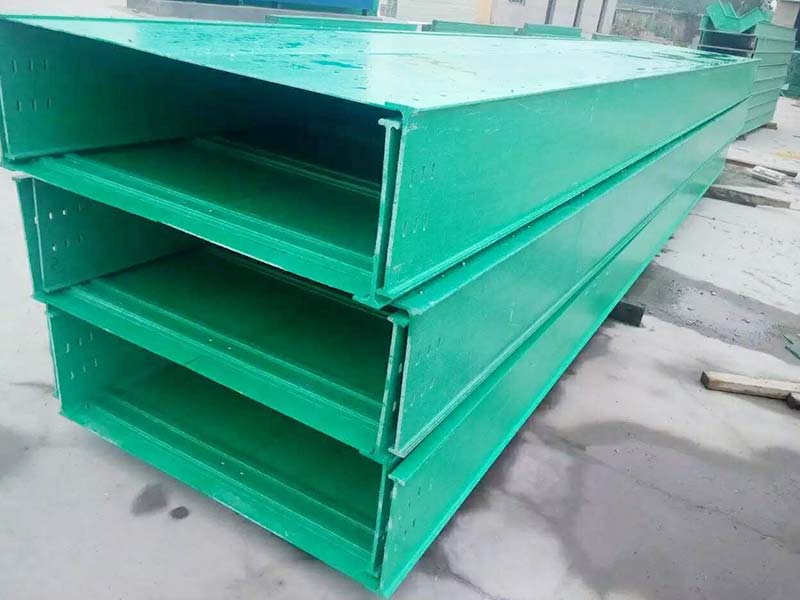
The right cable tray material should be selected by environment, load, installation conditions, and maintenance expectations. FRP is not always a direct replacement for every metal tray, but it can be a better fit when corrosion resistance and electrical insulation are important.
| Selection Factor | FRP Cable Tray | Galvanized Steel Cable Tray | Stainless Steel Cable Tray | Aluminum Cable Tray |
|---|---|---|---|---|
| Corrosion resistance | Strong in many chemical, humid, and outdoor environments | Depends on coating condition | Strong, but material grade matters | Good in many environments, weaker in some chemical exposure |
| Weight | Lightweight and easier to handle | Heavier | Heavier | Lightweight |
| Electrical conductivity | Non-conductive | Conductive | Conductive | Conductive |
| Maintenance need | Low in suitable environments | Coating inspection may be needed | Lower than ordinary steel, but still needs inspection | May require attention in aggressive environments |
| Cutting and installation | Easier to process on site with proper tools | Requires metal cutting and edge treatment | Requires stronger tools | Easier than steel |
| Best use scenario | Corrosive, humid, outdoor, chemical, wastewater, coastal sites | General industrial use | High-strength or special corrosion environments | Lightweight commercial or industrial routing |
For projects where fire behavior, grounding, cable ampacity, and local electrical codes are critical, engineers should confirm the project standard and installation rules. Resources such as the Cable Tray Institute codes and standards, IEC 61537, and UL 568 nonmetallic cable tray systems can help buyers understand the standards landscape before final specification.
Key Factors to Confirm Before Buying an FRP Cable Tray
Choosing an FRP cable tray only by width and height is not enough. For industrial projects, the buyer should prepare a more complete technical inquiry so the manufacturer can recommend a reliable solution.
Operating Environment
The first question is where the FRP cable tray will be used. Indoor and outdoor environments require different considerations. Chemical plants, wastewater treatment sites, coastal facilities, and outdoor corridors should provide details about temperature range, humidity, UV exposure, gas or liquid chemicals, and whether the tray may be exposed to washing or splashing.
A good inquiry should mention:
Indoor or outdoor installation
Chemical exposure type
Moisture and humidity level
UV exposure
Operating temperature range
Possible impact, vibration, or wind load
Expected service environment
These details help the manufacturer choose the right resin system, surface treatment, structure, and accessories.
Load and Support Span
Cable tray load capacity depends on tray width, side rail height, material structure, cable weight, and support span. A tray that performs well at a short span may not be suitable for a longer support distance.
Before purchasing, buyers should estimate the total cable weight and future expansion allowance. It is better to design with reasonable spare capacity instead of filling the tray to its limit from the beginning.
Important details include:
Cable type and quantity
Estimated cable weight per meter
Tray width and depth
Support spacing
Required safety margin
Indoor or outdoor wind exposure
Need for covers or additional fittings
If the project drawing already includes support points, share it with the supplier. If not, ask the manufacturer to recommend suitable span and support methods based on the tray specification.
Tray Type and Cable Layout
Different tray types support different cable routing needs. Ladder type FRP cable tray is often used for long runs where ventilation, easy cable tying, and lower accumulated dust are important. Solid bottom trays may be better where cables need more bottom protection. Covered trays are useful in outdoor corridors, dusty plants, or splash-prone zones.
For mixed cable systems, buyers should also consider cable separation. Power cables, control cables, and communication cables may need different routing arrangements depending on project requirements. Never treat the tray only as an empty channel. Think of it as a cable management route that needs inspection, maintenance, and future modification.
Resin System and Surface Performance
The resin system plays a major role in chemical resistance, temperature performance, flame retardancy, and outdoor durability. Polyester, vinyl ester, and other resin systems can be selected according to different application conditions.
For ordinary outdoor or humid environments, a standard corrosion-resistant FRP system may be suitable. For stronger chemical exposure, wastewater gases, acid or alkali areas, or special industrial atmospheres, buyers should ask whether a higher-performance resin system is recommended.
Surface performance is also important. Outdoor FRP cable tray may require UV-resistant surface treatment or protective design. For areas with frequent contact, cleaning, or inspection, smooth edges and consistent finishing can improve handling safety.
Fire and Electrical Requirements
FRP is non-metallic and non-conductive, which is useful in many cable support applications. However, buyers should not assume that every FRP cable tray has the same flame performance or electrical project suitability.
Before ordering, confirm the required flame retardant grade, smoke requirements, halogen concerns, project standards, and local installation rules. The electrical contractor should also confirm grounding and bonding design according to applicable codes, because FRP does not function like a metal grounding path.
For safety-focused cable tray information, OSHA lists publications related to cable tray installation, maintenance, and overloading hazards through its cable tray safety publications. These resources are useful for understanding why tray loading, support, and maintenance should not be ignored.
Fittings, Covers, and Accessories
A cable tray project rarely uses only straight sections. Bends, tees, crosses, reducers, connectors, covers, support brackets, and fasteners all affect installation quality.
When sending an inquiry, include the route drawing if possible. If there is no drawing, provide the approximate direction changes, vertical drops, cable entry points, and support method. This helps the supplier prepare a more complete quotation and reduces missing accessories during installation.
For complex projects, it is often better to source tray sections and accessories from one system supplier rather than combining inconsistent parts from different sources.
How to Match FRP Cable Tray to Project Applications
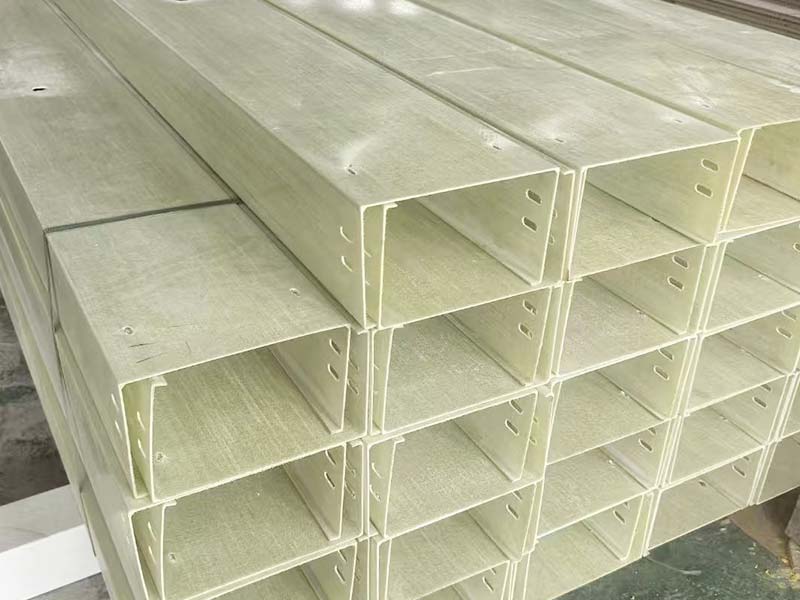
Different industries use FRP cable tray for different reasons. Understanding the application helps buyers avoid over-specification or under-specification.
In wastewater treatment plants, corrosion resistance and moisture durability are the main concerns. Cable trays are often installed near pumps, dosing systems, tanks, and outdoor channels. A covered FRP cable tray may be useful in splash-prone areas, while ladder trays can be suitable for ventilated cable routes.
In chemical plants, resin selection becomes more important. The buyer should provide the chemical environment instead of simply saying “corrosive.” Acid vapor, alkaline cleaning, solvent exposure, and salt mist are different conditions.
In coastal infrastructure, UV exposure, salt air, wind, and long outdoor routes should be considered together. Covers, support distance, and expansion design should be reviewed carefully.
In power and substation projects, insulation, reliable routing, and long-term outdoor stability are important. The project team should confirm electrical code requirements, cable grouping, and mechanical support before final selection.
In municipal utility corridors, FRP cable tray can help reduce maintenance in humid or difficult-access spaces. Lightweight sections can also simplify installation in areas where heavy lifting is inconvenient.
Common Procurement Mistakes to Avoid
Many cable tray problems begin before installation. They happen during inquiry, specification, and purchasing. Avoiding these mistakes can make the final system more reliable.
One common mistake is choosing only by tray size. Width and height are important, but load, span, environment, resin system, and accessories matter just as much.
Another mistake is ignoring future cable expansion. A tray that is already full at the beginning will create problems when the plant adds sensors, control lines, or equipment later.
Some buyers also forget covers and fittings. Straight tray sections may look cost-effective on paper, but missing bends, connectors, brackets, or covers can delay installation.
A fourth mistake is using a generic resin system in aggressive chemical conditions. If the environment is highly corrosive, the buyer should ask for a material recommendation based on the actual exposure.
Finally, some projects overlook installation instructions. Even a strong FRP cable tray can fail if the support spacing is too long, the tray is overloaded, or field cutting leaves rough edges without proper treatment.
Practical Project Scenario: Wastewater Treatment Cable Routing
Consider a wastewater treatment facility planning a cable route between a pumping area, dosing room, and outdoor control cabinet. The site has high humidity, occasional chemical splashes, and sections exposed to sunlight. A metal tray may require coating inspection and maintenance, especially near the dosing area.
For this type of project, an FRP cable tray solution may include ladder tray sections for ventilated cable runs, covered tray sections in splash-prone areas, corrosion-resistant FRP brackets, and customized fittings for route changes around equipment.
The buyer should provide the cable list, approximate route length, installation height, support conditions, chemical exposure, and outdoor sections. With these details, the manufacturer can recommend tray size, support span, accessories, and whether a special resin system is needed.
This approach gives the project team a more complete cable support plan instead of simply purchasing tray sections by meter.
How Xinpeng Supports FRP Cable Tray Projects
Xinpeng supplies FRP products and environmental equipment for industrial corrosion resistance, wastewater treatment, municipal engineering, and structural applications. For cable support projects, buyers can review the dedicated FRP cable tray page or browse the broader FRP products range to match trays with brackets, profiles, grating, pipes, and other project materials.
The advantage of working with an FRP manufacturer is that buyers can discuss both standard product supply and customized project requirements. For example, a project may need special tray widths, customized covers, matching brackets, different resin systems, or support suggestions based on drawings.
If your project involves corrosive sites, wastewater facilities, chemical plants, outdoor corridors, or municipal infrastructure, you can contact Xinpeng with your drawings, cable load requirements, and installation environment. The team can help you evaluate a suitable FRP cable tray solution before purchasing.
You can also learn more about the material advantages on the Why FRP page, or read related articles such as How to Choose Square Fiberglass Tube and FRP Fencing vs Steel Fencing for broader industrial material selection ideas.
Buyer Checklist Before Sending an Inquiry
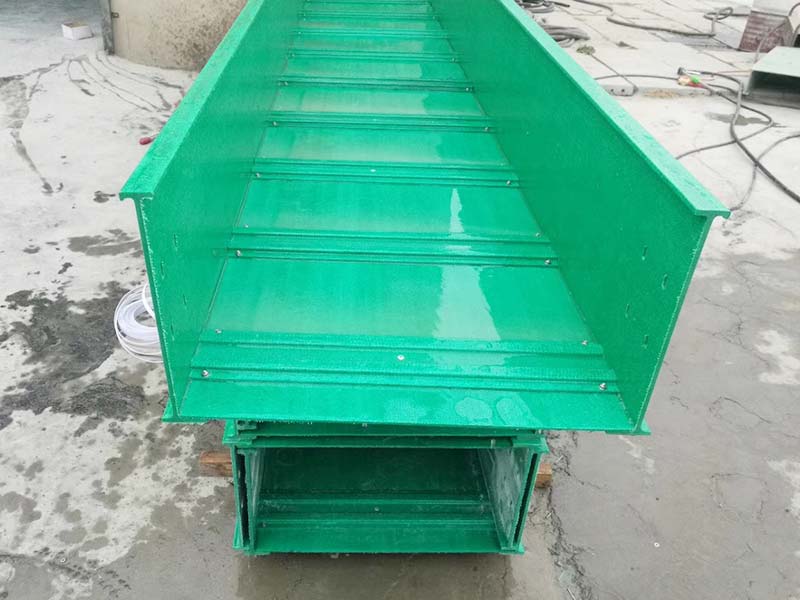
Before requesting a quotation, prepare the following details:
| Inquiry Detail | Why It Matters |
| Project industry | Helps identify corrosion, safety, and installation needs |
| Indoor or outdoor use | Affects UV resistance, covers, and support design |
| Chemical exposure | Helps select the proper resin system |
| Cable type and quantity | Determines tray size and load requirement |
| Cable weight | Supports load and span calculation |
| Tray width and depth | Defines cable capacity and routing space |
| Support spacing | Affects mechanical performance |
| Required standards | Helps align product selection with project rules |
| Need for covers | Important for outdoor, dusty, or splash-prone areas |
| Drawing or route sketch | Reduces missing fittings and installation errors |
A clear inquiry saves time for both the buyer and the manufacturer. It also helps prevent later changes caused by incomplete technical information.
FAQ
What is the main advantage of FRP cable tray?
The main advantage of FRP cable tray is its corrosion resistance in harsh environments. It is also lightweight, non-conductive, and suitable for many industrial cable support applications where metal corrosion is a concern.
Is FRP cable tray suitable for outdoor use?
Yes, FRP cable tray can be used outdoors when the material, resin system, UV protection, covers, and support design are properly selected for the project environment.
Can FRP cable tray replace steel cable tray?
FRP cable tray can replace steel cable tray in many corrosive, humid, coastal, and chemical environments. However, the final choice should be based on load, fire requirements, installation rules, grounding design, and project standards.
What information should I provide before ordering FRP cable tray?
You should provide the project environment, cable type, cable quantity, estimated load, tray size, support span, indoor or outdoor conditions, chemical exposure, and required accessories or drawings.
Does FRP cable tray need grounding?
FRP is non-conductive, so it does not work like a metal grounding path. Grounding and bonding requirements should be designed by the electrical engineer according to applicable project codes and cable system requirements.
Which industries commonly use FRP cable tray?
FRP cable tray is commonly used in chemical plants, wastewater treatment facilities, coastal projects, power plants, substations, municipal engineering, industrial platforms, and other corrosive or humid environments.
Conclusion
A reliable cable tray system should support more than the cable weight on day one. It should also handle the actual site environment, future cable expansion, inspection access, safety requirements, and long-term maintenance expectations.
For corrosive industrial projects, FRP cable tray offers a strong alternative to traditional metal cable tray systems. Its corrosion resistance, lightweight structure, non-conductive properties, and customization flexibility make it especially useful for wastewater treatment, chemical processing, coastal infrastructure, power facilities, and municipal engineering.
The best result comes from clear project communication. Before purchasing, confirm the environment, cable load, tray type, resin system, support span, accessories, and applicable standards. If your project requires a durable FRP cable support solution, Xinpeng can help you review the requirements and recommend a practical system for your site.